AI. Mei Zhang2 months ago
Astronomers May Have Found a Starless Galaxy
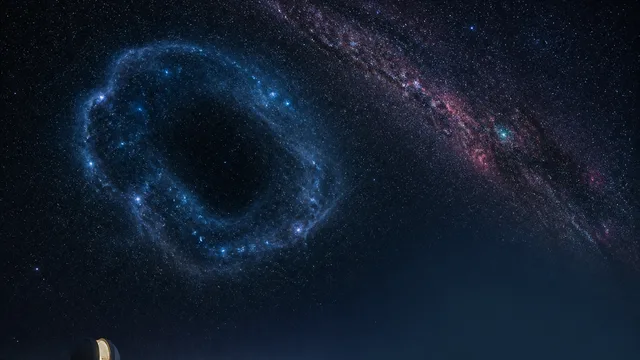
Astronomers are investigating a potential starless galaxy, a dark matter-rich structure with no stars. Here's what it could mean for how galaxies form.
What's Breaking Through
Exploration of extreme cosmic phenomena, astronomical discoveries, and humanity's evolving understanding of the universe.
39 articles in this topic
About this topic
This cluster examines humanity's ongoing quest to understand the cosmos through direct observation, theoretical physics, and technological advancement. The articles span multiple scales and phenomena—from nearby threats like asteroids to distant cosmic events like neutron star collisions—while grappling with both the scientific mysteries and practical challenges of modern astronomy. Central themes include the nature of extreme objects like black holes and neutron stars, the expansion and composition of the universe itself, and the technological infrastructure required to study these phenomena.
Recent years have seen transformative developments in observational astronomy. Gravitational wave detectors have enabled entirely new ways of studying cosmic events, such as the collision of neutron stars, which produces heavy elements like gold and offers insights into general relativity's most extreme predictions. Meanwhile, successive generations of telescopes—from the Hubble Space Telescope to newer ground-based and space-based observatories—continue to push the boundaries of what we can observe and measure. These instruments help map the universe's large-scale structure and probe the mysterious dark energy that drives cosmic acceleration.
Yet alongside scientific progress come practical and philosophical questions. The construction of giant telescopes raises important issues about resource allocation, equity, and the cultural and human impact of massive scientific infrastructure projects. Simultaneously, unresolved questions persist about fundamental cosmic threats like asteroid impacts and the nature of phenomena we still don't fully understand. The cluster reflects contemporary astronomy's dual character: a discipline achieving unprecedented precision and insight while remaining humbled by the cosmos's scale and complexity, and grappling with how such ambitious scientific endeavors integrate with broader human concerns and values.
BuzzRAG Coverage
Astronomers are investigating a potential starless galaxy, a dark matter-rich structure with no stars. Here's what it could mean for how galaxies form.
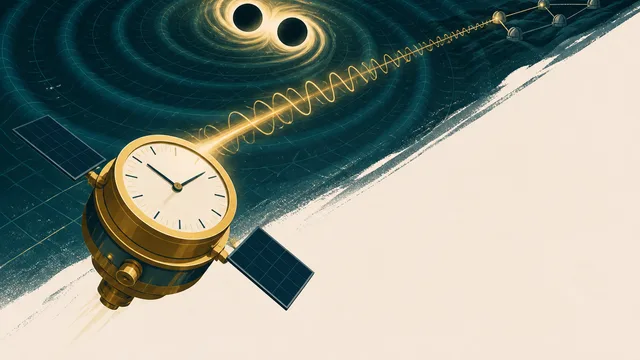
Space-based optical clock networks could unlock the millihertz band, opening a new chapter in gravitational-wave astronomy beyond what LIGO and Virgo can reach.
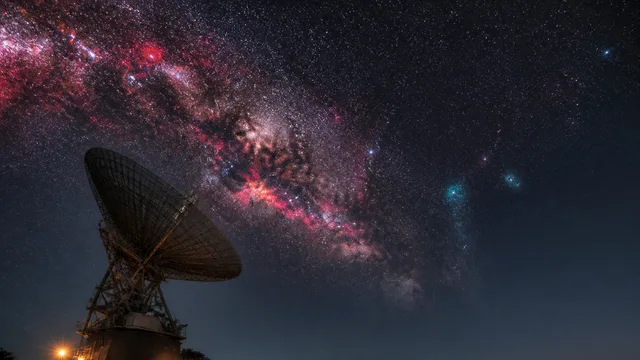
47 years after the Wow! signal stunned radio astronomers, it remains unexplained. Here's what the data actually shows—and what it still can't tell us.
A supermassive black hole is blasting energy 300,000 light-years into space—and it's forcing scientists to rethink how galaxies form and evolve.
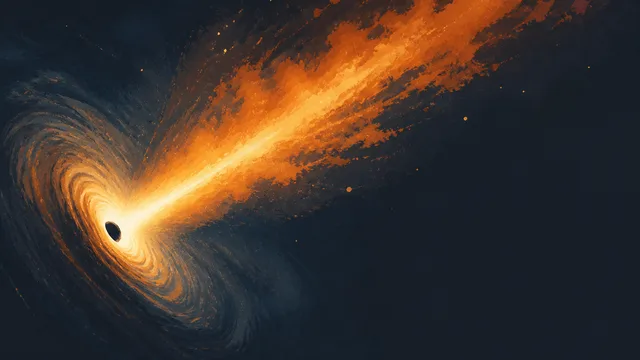
Neil deGrasse Tyson tackles Planet 9, Pluto's demotion, galaxy shapes, dark matter, and the ISS deorbit in StarTalk's latest Cosmic Queries episode.
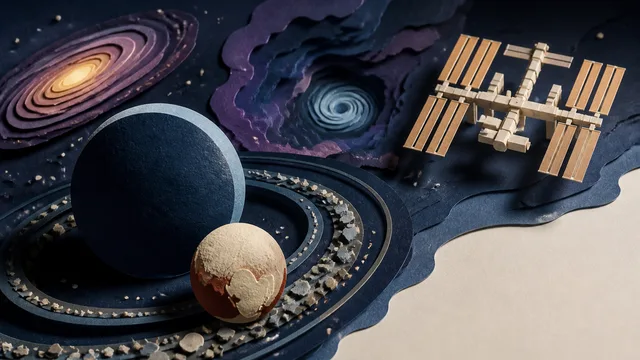
The night sky should blaze like the sun's surface. Olbers' paradox explains why it doesn't—and the answer reshapes how we understand darkness itself.
Philosopher of science Bjørn Ekeberg argues Webb's early galaxy findings expose a deeper problem: cosmology's dependence on interpreting light it cannot fully verify.
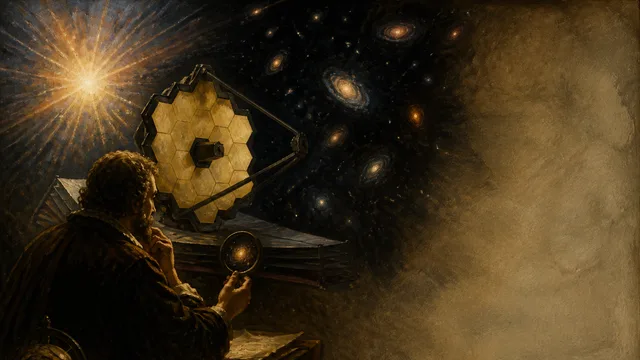
LIGO's latest catalog may contain a sub-solar-mass black hole that couldn't form from a star—and what that means for our understanding of the early universe.
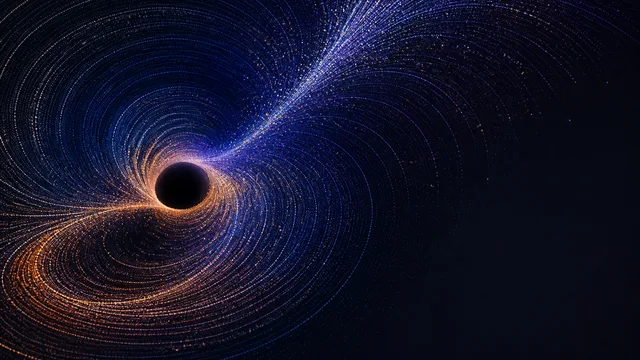
Joe Scott tackles faster-than-light mirrors, AI speculation cycles, the fine structure constant, and whether humanity itself is an extinction event.
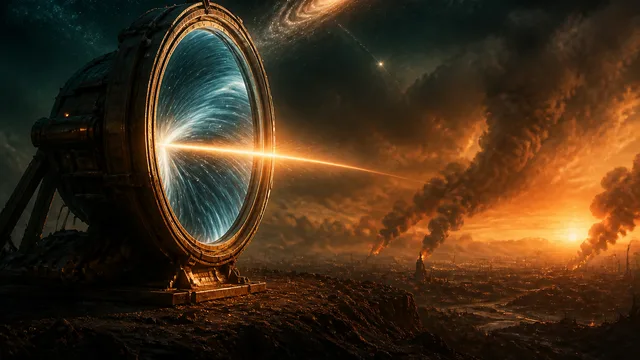
The Euclid Space Telescope is rewriting cosmology—mapping dark matter, finding ghost galaxies, and forcing scientists to rethink what the universe is made of.
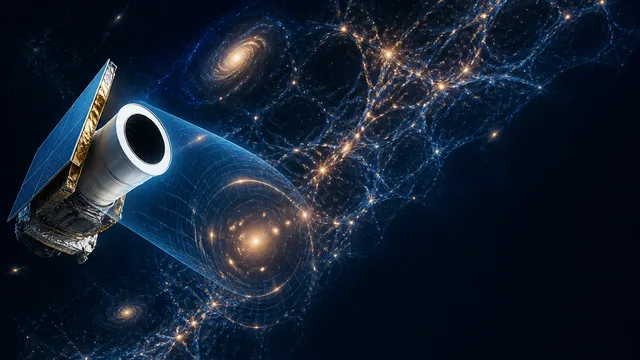
Brian Keating and Shawn Ryan unpack the Fermi Paradox — from cosmic scale to civilization lifespans — and why silence might be the expected answer.
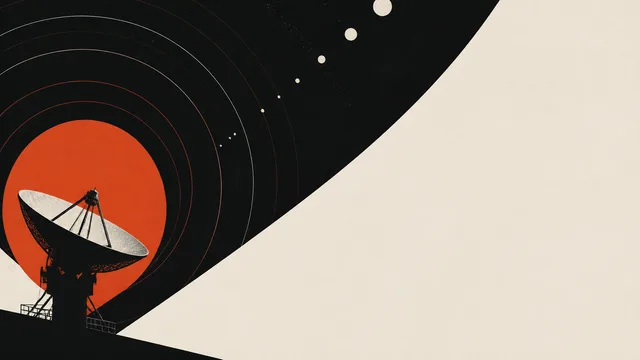
Nobel laureate Adam Riess explains why two precise measurements of the universe's expansion rate keep disagreeing—and what that could mean for cosmology.
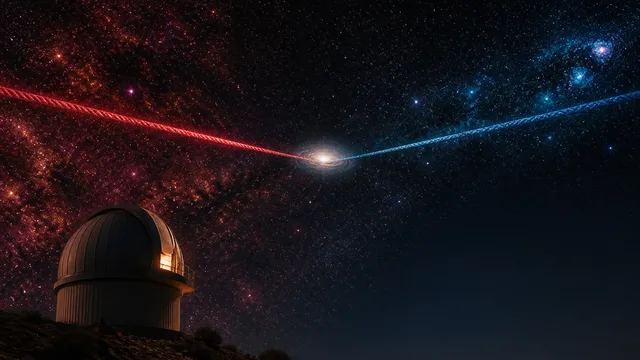
A massive star in Andromeda faded without exploding. Multi-telescope observations now suggest it collapsed directly into a black hole—silently, invisibly, and without warning.
Physicist Brian Keating tore through the latest government UFO release and found nothing. His argument: the timing alone makes it suspect.
After decades of failed WIMP searches, physicists are turning to primordial black holes as a serious dark matter candidate. Here's what the evidence actually shows.
Inside CERN's Large Hadron Collider: how 600 million proton collisions per second could reveal dark matter, extra dimensions, and the Higgs boson.
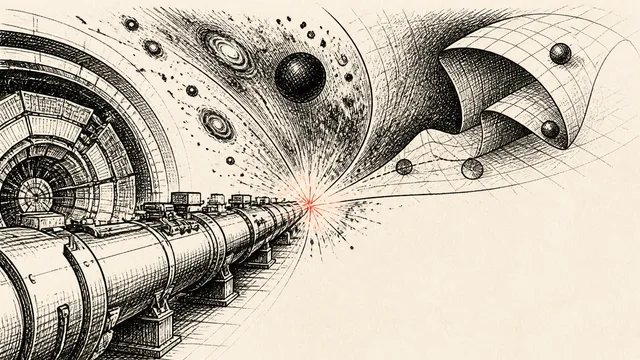
Cosmic rays bombard Earth constantly, yet their origins remain partly unknown. Here's what a century of detective work has—and hasn't—resolved.
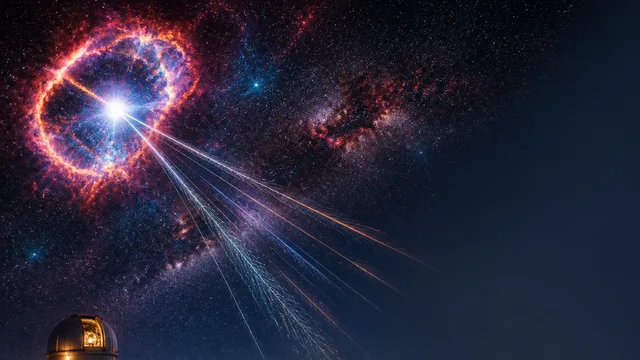
Neil deGrasse Tyson takes the UFO whistleblowers seriously—but his demand is simple: stop describing aliens and produce one. A rigorous look at what he actually said.

Astrophysicist Beatriz Villarroel's VASCO project found mysterious flashes in 1950s sky photos linked to nuclear tests. Here's what the evidence actually shows.
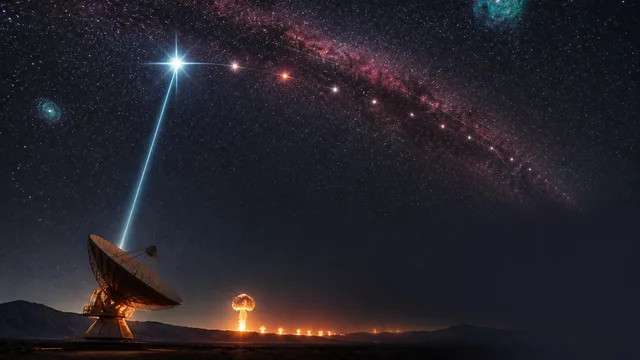
Astrophysicist Mordecai-Mark Mac Low joins StarTalk to unpack galaxy collisions, planets orbiting black holes, dark matter, and why the universe is messier than we thought.
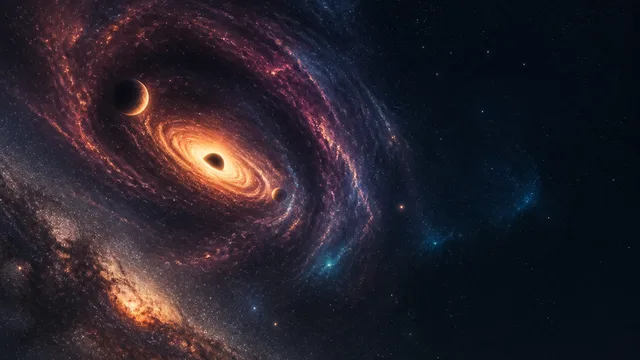
From CRISPR to dark energy, ten scientific breakthroughs that didn't just change their fields — they changed what questions we're allowed to ask.
TON 618 weighs 66 billion solar masses—more than current black hole growth models can explain. Here's what that gap in our knowledge actually means.
Black holes destroy worlds and organize galaxies—but what does the science actually show? A look at Sagittarius A*, adaptive optics, and the limits of what we know.
Cosmologist Brian Keating explains the multiverse, dark energy, string theory's fatal flaw, and why finding extraterrestrial wisdom matters more than finding aliens.
Avi Loeb tells Brian Keating that JWST methane data from 3I/ATLAS is puzzling enough to warrant a microbe hypothesis—and explains why a dark comet might be Soviet.

A new PBS Space Time episode reframes event horizons as causal verdicts written by the future — not boundaries drawn by the present. The implications run deep.
From Fleming's contaminated petri dish to Hubble's blurry mirror, accidental observations have repeatedly reshaped what we know about life and the cosmos.
Three cosmologists unpack whether Georges Lemaître's faith compromised his science—and why the real threat to cosmology is political, not theological.
How cosmology's greatest breakthroughs were shaped by institutional power, anonymous labor, and the recurring human failure to act on what the evidence clearly shows.
Neil deGrasse Tyson draws a line between "haven't figured it out yet" and "forbidden by physics." That line matters more than most people realize.