
Photo: AI. Yuna Blackwood
Why Convenience and Self-Care Have Not Guaranteed Rest
Convenient routines can save time without making room to recover. Explore how workload, screens, sleep and sedentary hours shape whether breaks restore energy.

Personal development, health, wellness, and the art of living well. Evidence-based approaches to productivity, learning, and becoming who you want to be.
Photo: AI. Yuna Blackwood
Convenient routines can save time without making room to recover. Explore how workload, screens, sleep and sedentary hours shape whether breaks restore energy.
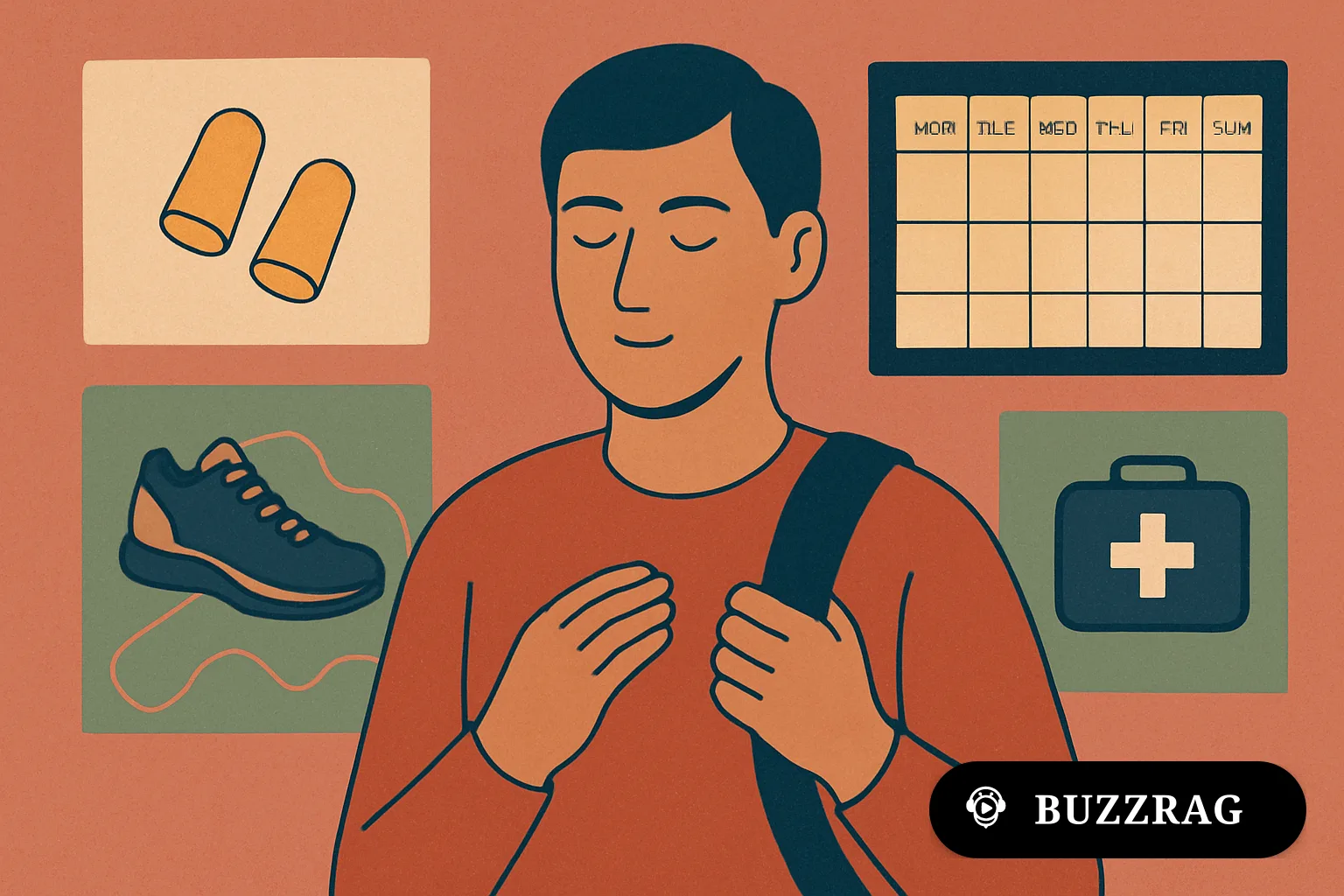
Today: practical ways to protect hearing, build safer fitness habits, rethink daily routines, and recognize the risks of counterfeit opioids.
Today: practical ways to protect hearing, build safer fitness habits, rethink daily routines, and recognize the risks of counterfeit opioids.

A short outdoor mindfulness practice can fit on a balcony or park bench. Learn what to notice, how to adapt it, and where a few minutes of attention has limits.
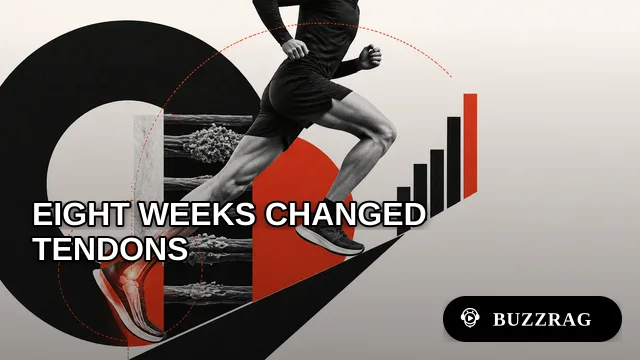
Feeling fitter can tempt runners to add miles. Tendon experiments and injury reviews explain why easy runs, strength work and mileage rules need careful interpretation.

Why does a stranger's victory feel personal? Reflected glory explains the rush of belonging, the appeal of underdogs and where shared pride meets self-worth.

Horror can make fear feel manageable by giving it a story and an ending. But scary fiction affects people differently, and watching it is not a form of therapy.

Colorado had the lowest inactivity estimate in a CDC survey. Boulder’s open-space history shows how access is built, and why a state ranking has limits.
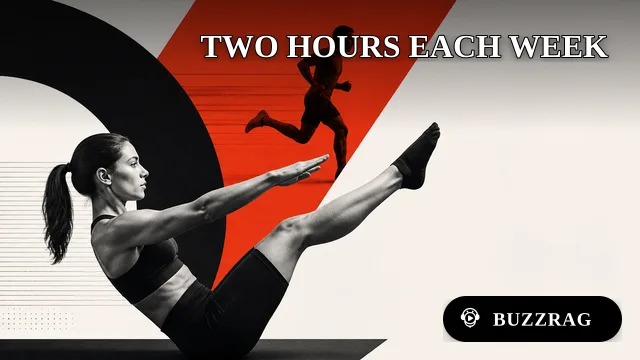
Pilates may help runners build strength and stability, but time and recovery matter. Here's how to assess the evidence and fit sessions around training safely.

A small randomized kombucha trial found biomarker changes but no stress benefit. How to read the result, its limits, and its commercial context.
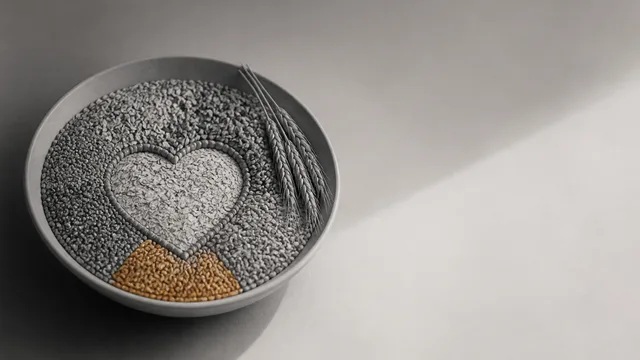
An 87-trial analysis links 60 to 100 grams of whole grains daily with better heart risk markers, a range above part of current US dietary guidance.
Research on blood sugar and alcohol relapse raises questions about craving, cause and care. Glucose findings need context before they can guide recovery decisions.
A study links face-to-face contact with better momentary mood in mothers of infants. Other research helps explain why that finding is no prescription to socialize.
A UK Biobank study links diet and movement to diabetes risk across genetic groups. Learn what its percentages mean and how prevention programs compare.
A breath practice may help during grief or uncertainty, but inward focus can feel uncomfortable. Here's how to make room for choice, support, and stopping.
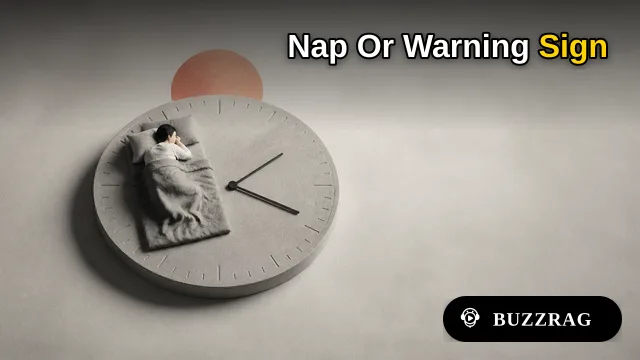
A 19-year data report raises questions about naps and longevity. See what observational research can show, what remains unknown, and when sleepiness needs care.
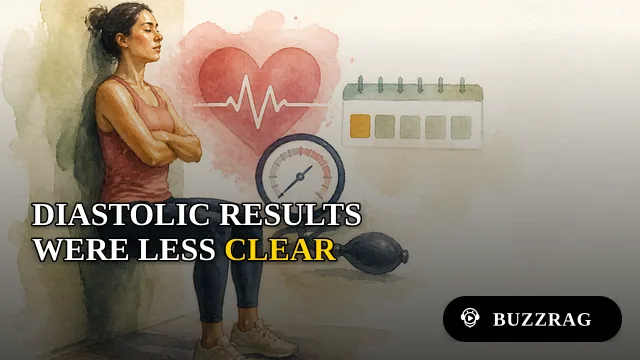
After four weeks of thrice-weekly wall squats, one weekly session preserved some blood-pressure gains for a month. The trial cannot establish a starting dose.
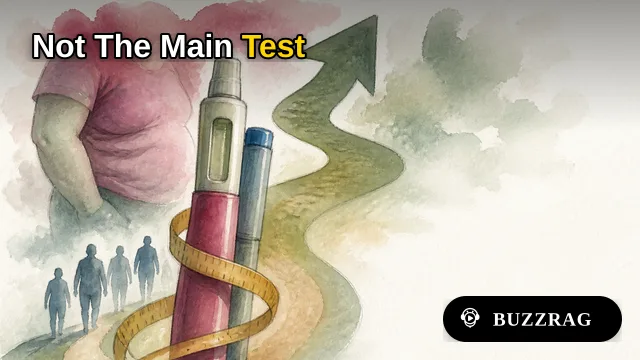
Lilly's EloraTZP showed substantial weight loss in a Phase 2b trial, alongside treatment discontinuations. What the results say about benefit and tolerability.
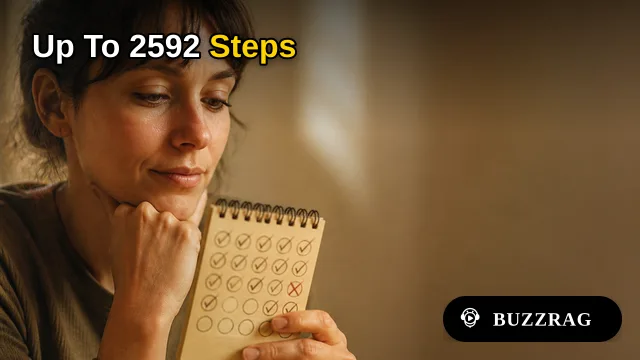
Habit tracking can support change, but effects are modest and streak rules can distort failure. Learn how monitoring can reveal patterns and guide recovery plans.

Grief before a loved one's death can collide with work demands. Caregivers can ask for flexibility while deciding how much of their private lives to disclose.

Exercise targets help, but long-term studies show cardiovascular health reflects movement, habits and clinical risk factors accumulated across many decades.

Identity can support discipline, but habits also shape identity. Research suggests cues, repetition and flexible labels make change more durable over time.