
Photo: AI. Hayden Cross
Meta Business Terms Raise Questions About AI Training
Meta's revised business terms could permit AI training on account information. The dispute tests consent, publisher licensing and what businesses can control.

Artificial intelligence, machine learning, LLMs, and AI tools transforming development.
Photo: AI. Hayden Cross
Meta's revised business terms could permit AI training on account information. The dispute tests consent, publisher licensing and what businesses can control.

A weekly tech roundup, safer agent sandboxes, a massive open-weight model and new questions about AI data use, platform rules and costs.
A weekly tech roundup, safer agent sandboxes, a massive open-weight model and new questions about AI data use, platform rules and costs.

Meta's 816B-parameter Muse Spark Open offers open weights and a million-token window. Its design raises practical questions about memory, privacy and serving costs.

OpenAI is adding Chrome tab access to ChatGPT when users tag the browser. It could ease research, but permission scope and data handling need scrutiny.

AI can make a promo from a brief, but can it change one approved element without rebuilding the shot? A look at generated video, editable layers and revision control.

REA links AI agents to app-inspection tools, but a convincing reconstruction still depends on what the tools observed, what stayed hidden and what was tested.

Grok Voice 3.0 claims an 86.9 speech-to-speech score. Its tool-enabled voice loop could change how apps work, but buyers still need to test reliability.

Gemini 4 Argon leads some coding tests and trails on others. Its evaluation cost and release history show how to judge a model against the work you need done.

NVIDIA's $250 million UK AI safety compute pledge spans five years. Access rules, research independence and test design will decide what scientists can study.

Google's Gemini 4 Argon is rolling out in the Gemini app and Search AI Mode for Pro and Ultra users. Its placement is clear; its everyday advantage is harder to judge.

Microsoft plans to make Maia its primary AI inference system. Its rollout history, Nvidia ties and AWS's two-chip plan show what the 2027 ambition will require.

An OpenAI engineer faces a federal charge over a hidden recorder. The company says its models helped identify him, but the device and investigation tell a wider story.

The X Subscription bundles Cursor, Grok and X benefits, but its shared allowance covers Grok models. For developers, the bill depends on which models they use.

Disney is the first bidder in Character.AI's bankruptcy sale. Its $20 million offer targets limited rights, while the platform's future remains unsettled.

IMF and World Bank leaders see AI spending supporting growth, while graduate hiring worries sharpen the question of who gets a foothold in the new economy.

Meta's new Muse Wonder models target agents that remember and keep working. Their launch raises questions about reliability, access and the lessons of Llama.

Brad Smith wants AI safety checks, brakes and incident reports. The UK tests models already, but access, release decisions and legal duties remain open questions.

Google's revised content guidance scrutinizes AI-written pages, fake authors and thin comparisons. Here's what it says and what it cannot promise publishers.
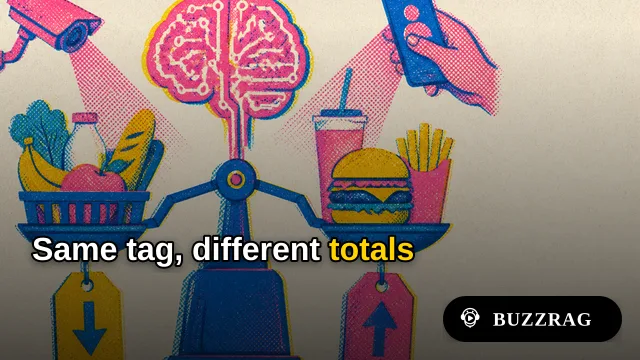
Algorithmic pricing is reaching groceries and fast food. What it means for shoppers depends on data used, price changes and personalized offers at checkout.

Workers at three publishers describe AI use in publicity, cover art, copy and email, raising questions about staff input, quality control and creative credit.

TypeSafe AI's reported $870 million round values it at $7.5 billion weeks after Jev's launch. What the deal says about non-text AI, and what remains unknown.