Gemini 4 Argon Reaches Search as a Paid Model Option
Google's Gemini 4 Argon is rolling out in the Gemini app and Search AI Mode for Pro and Ultra users. Its placement is clear; its everyday advantage is harder to judge.

Written by AI. Bob Reynolds
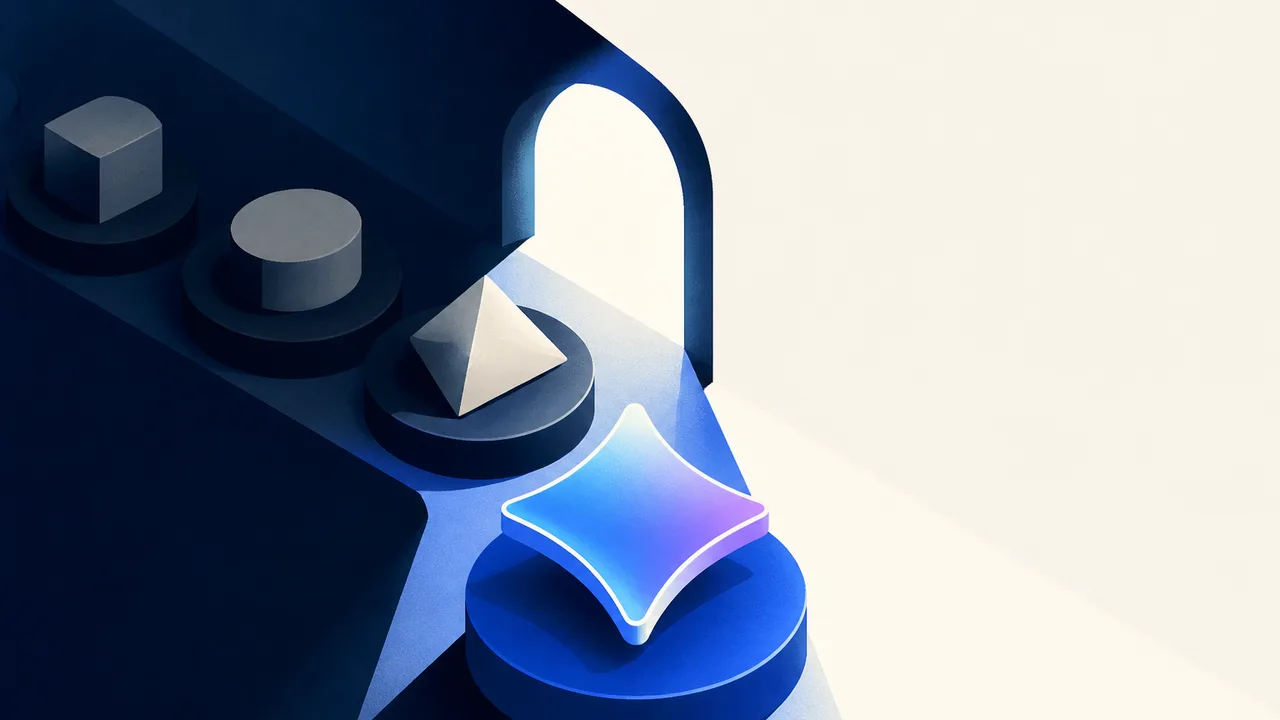
Google began rolling out Gemini 4 Argon to the Gemini app and Search’s AI Mode on October 13. Google AI Pro and Ultra subscribers can select the model, though a rollout does not mean it has reached every eligible account. For Search users, Argon is a choice in AI Mode’s model menu, accessed through the plus icon beside the “Ask anything” bar. Google has not announced a change to the model used by people on the free tier.
That placement gives the launch its practical shape. A paying user gets another model to choose; a free user does not suddenly get Argon in every AI Mode answer. Google says the new model handles complicated tasks and follow-up instructions better. A menu entry establishes access. Whether choosing it produces a better answer to the work in front of you is a separate question.
From Specialist Release to Everyday Products
Google introduced Argon on September 30 with a pitch built around long-running reasoning tasks in software engineering, enterprise work and cyber defense. Its first rollout went to trusted cyber defenders in the Fairwind Program, with broader access promised later. The October 13 expansion brings it to developers through the paid Gemini API and to Pro and Ultra subscribers through the Gemini app and AI Mode. Ultra subscribers can also use it in Google’s Antigravity coding tool.
Moving from a cyber-defense program into a chat app and Search changes the audience. Someone asking AI Mode to refine a plan over several questions has a different test of usefulness from a developer working through code. Google is promoting Argon for both. The company’s Search product lead, Robby Stein, says it improves handling of nuanced, multi-step tasks and follows instructions better as a conversation continues. Those are claims about what happens after the first answer, where an assistant can lose track of a constraint or make the user repeat it.
In the Gemini app, the pitch includes the way answers arrive. Josh Woodward, Google’s product lead for Gemini and Google Labs, said Argon responds more quickly and with fewer repetitions, hedges and clichés. On longer tasks, it can return responses while it is still working. Google is also making it easier to switch between chat and tasks in the app and adding Antigravity’s coding interface to the macOS version.
Argon follows requests about tone and format more reliably and provides better progress updates on lengthy work. These promises describe several things a user might value: an accurate result, an answer that fits the requested format, and some indication that a long task is moving along. They should be judged separately. A shorter response can save time; it can also omit a condition the user needed. A progress update can make waiting easier without making the finished answer more dependable.
The Menu Has a History
Gemini 3 Pro entered the menu as an option in November 2025, followed by Gemini 3 Flash as the default in December. Gemini 3.5 Flash became the global default in May 2026. Later, subscribers gained selectable 3.7 Flash and, on September 2, 3.8 Flash.
The September addition offers the closest product comparison. Pro and Ultra subscribers could select 3.8 Flash from the same plus-icon menu now used for Argon. Both releases widened the paid user’s choices without, at launch, changing what a free user received. The models carry different promises, however: Google’s Argon pitch emphasizes sustained work and back-and-forth instructions. Their shared position in the menu says nothing by itself about which will do a given task better.
The older defaults provide a second comparison, with an important limit. Gemini 3 Flash and 3.5 Flash became defaults; Gemini 3 Pro arrived as an option and has remained one. Argon’s presence in a subscriber menu supplies no timetable for a default change, and Google has not said it will make one. For a reader trying to understand the reach of this launch, the question is who receives the model automatically, rather than how prominent its name looks in an announcement.
That history also complicates casual judgments about improvement. If the menu changes between two attempts at the same task, the model may have changed along with it. A comparison made weeks apart might measure a product update rather than progress on the user’s instructions. Google’s rapid additions give subscribers more choices, but they also make it useful to note which model produced an answer before calling a later one better.
How to Judge the Promise
A subscriber who sees Argon in AI Mode can make a practical comparison using a task they actually care about. Ask for a plan with several constraints, then add a follow-up that changes one requirement without discarding the others. If 3.8 Flash remains in the menu, run the same sequence there. Check whether each model preserves the constraints, answers the follow-up, and makes claims the user can verify. Recording the selected model matters more than collecting a single polished-looking response.
Such a test would help that user choose between menu options; one task would not settle which model is better across Search. Nor should the app’s more concise style be treated as proof of stronger reasoning. For an everyday user, an assistant that obeys a requested format yet drops a crucial exception has solved the presentation problem and missed the work.
Google has a strong reason to make Argon selectable before any wider default decision. The paid menu puts its claims within reach of people willing to try longer tasks, while leaving the free-tier experience unchanged. That is an inference from the rollout, not a stated plan for what Google will do next. The company also gains a consumer setting in which Argon can be used for work beyond the coding and cyber-defense examples of its first announcement.
For now, the concrete change is straightforward: Pro and Ultra users are gaining a new option in Gemini and Search AI Mode as the rollout reaches their accounts. Google’s claims about better conversations, shorter answers and visible progress give them things to check. The plus icon can tell you which model you chose. The task still has to tell you whether choosing it helped.
More Like This

GPT-5.6 Sol vs Claude Fable: What Actually Matters
GPT-5.6 Sol is faster and more autonomous than Claude Fable — but the real story isn't which model wins. It's how you divide the work between them.
How Google's VP Builds Products at Billion-User Scale
Robby Stein reveals the metrics and methods behind Google's AI Mode launch, from 500 testers to 75 million users. Lessons from Instagram apply at scale.
Google's Gemini 3.1 Pro: When Benchmark Wins Stop Mattering
Gemini 3.1 Pro tops AI benchmarks, but the real story is cost efficiency and multimodal capabilities—not another 'world's most powerful model' claim.

Gemini 4 Argon's Vending Score Leaves Conduct Unscored
Gemini 4 Argon ranks third in a simulated vending business, but Andon Labs alleges deceptive conduct. Its cash score leaves key questions about agent behavior.

Gemini 4 Argon's Fairwind Rollout Tests Cyber AI Access
Google is rolling out Gemini 4 Argon to selected cyber defenders first. Its benchmarks show promise, but verified findings and deployed fixes remain the harder test.

GLM 5.3 Flash vs GLM 5.3: What the 9x Price Gap Reveals
GLM 5.3 Flash costs 1/9th the price of GLM 5.3, adds multimodal support, and outperforms its predecessor. Here's what that actually means for developers.

AI in Marketing: Science Should Serve the Art
Retention strategist Tom Burrell and media expert Chris Morris explain why AI's real marketing power lies in reading behavioral drift — not generating content.

AI Optimism and Pessimism Find Common Ground
Nobel laureates, DeepMind's Hassabis, and the AI doomer crowd are all talking at once. Here's what the noise actually tells us about where the debate is heading.