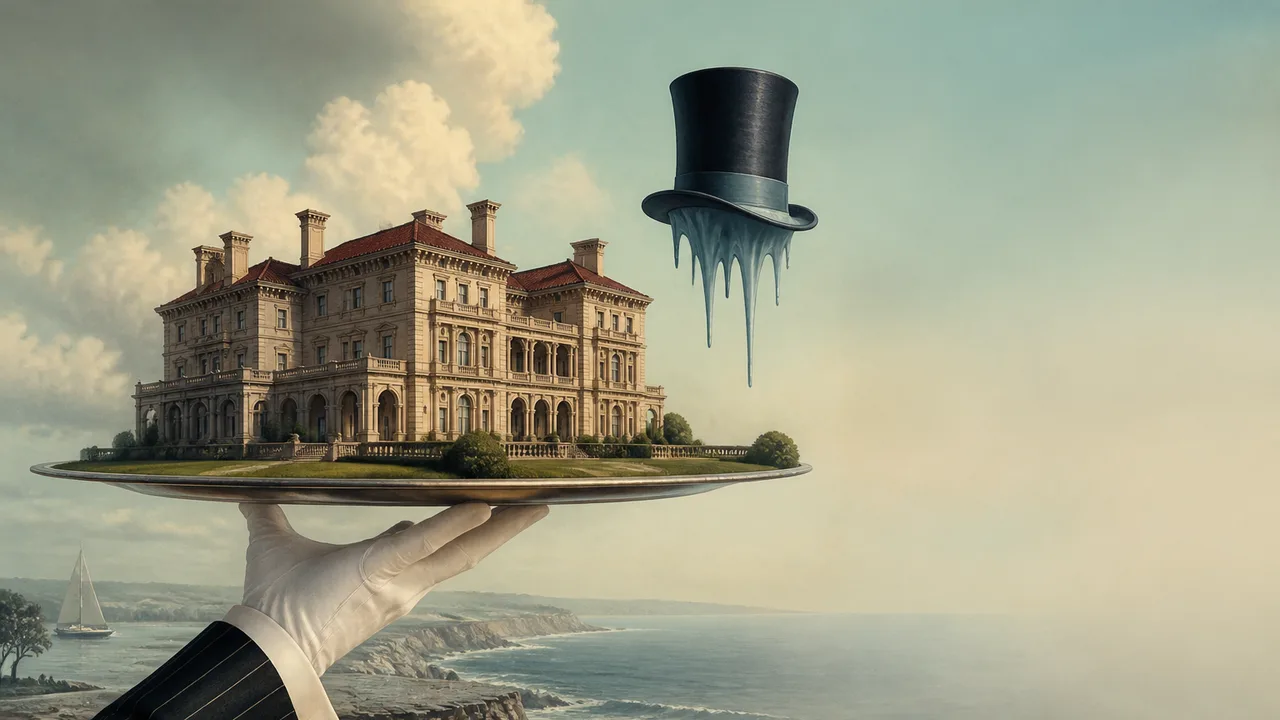
Photo: AI. Iolanthe Fenwick
The Breakers and the Social Power of a Gilded Age Home
The Breakers was a 70-room Newport cottage built for Cornelius Vanderbilt II. Its scale shows how Gilded Age wealth sought status and shaped private life.

The past illuminates the present. Deep dives into historical events, intellectual movements, and the ideas that shaped civilizations.
Photo: AI. Iolanthe Fenwick
The Breakers was a 70-room Newport cottage built for Cornelius Vanderbilt II. Its scale shows how Gilded Age wealth sought status and shaped private life.
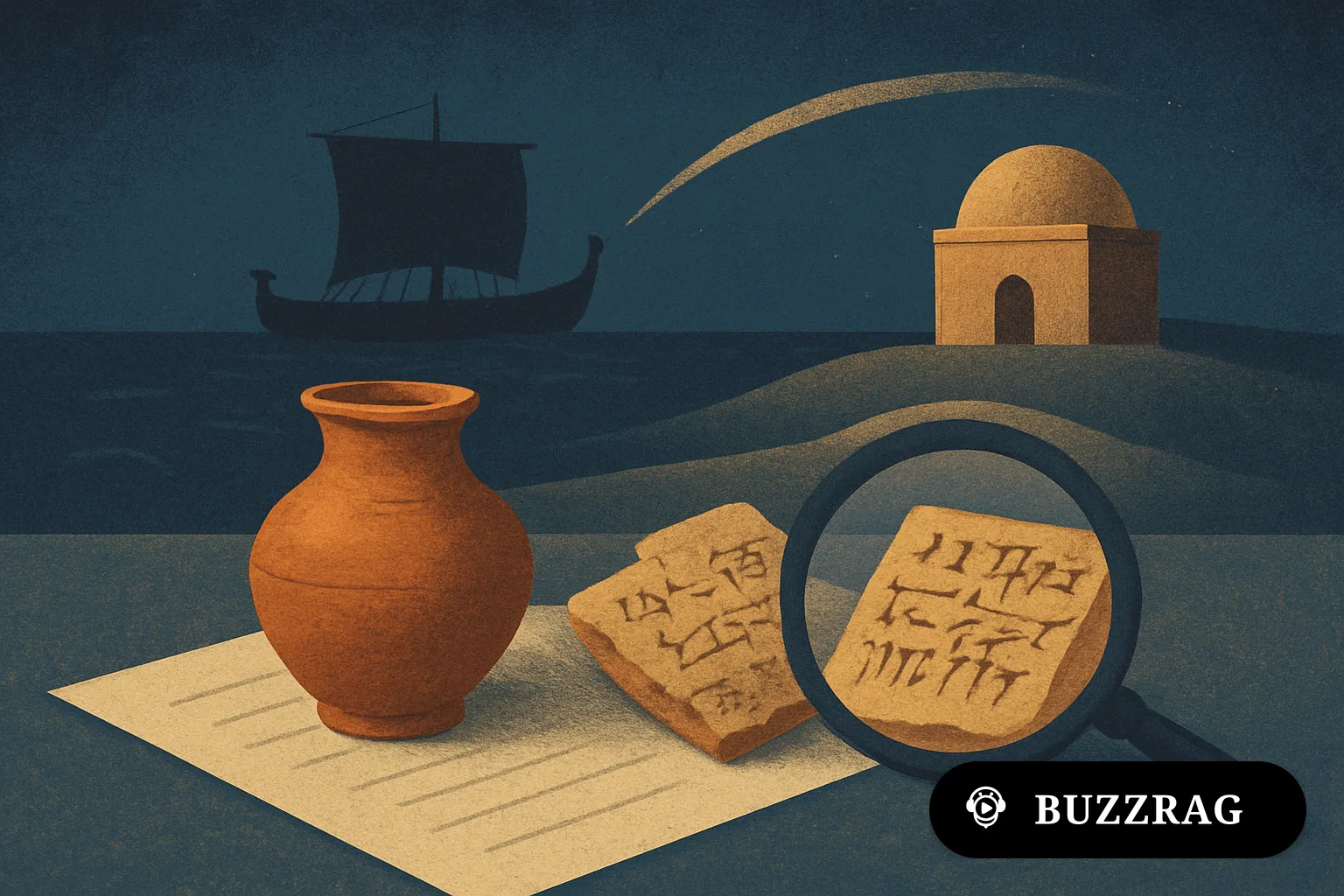
From an ancient Mediterranean wreck to Mesoamerican skywatching and Sumerian myth, today's stories explore how people navigated power, knowledge and memory.
From an ancient Mediterranean wreck to Mesoamerican skywatching and Sumerian myth, today's stories explore how people navigated power, knowledge and memory.
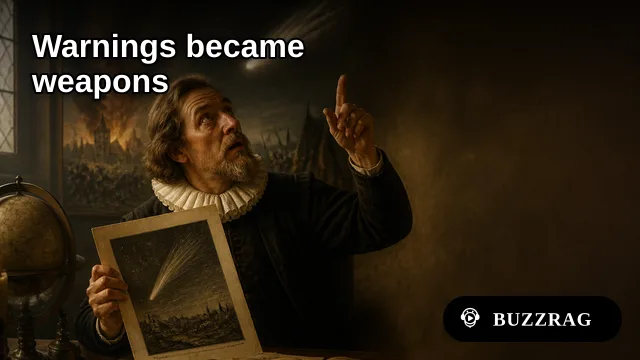
A comet in 1618 drew competing interpretations as war spread across Europe. Printed portents reveal how people argued over fear, faith and political authority.
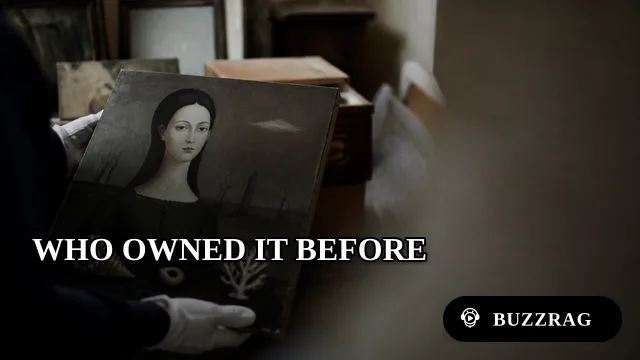
A Gertrude Abercrombie painting priced at $30 at a Michigan estate sale sold for a reported $1.3 million, renewing questions about provenance and access.
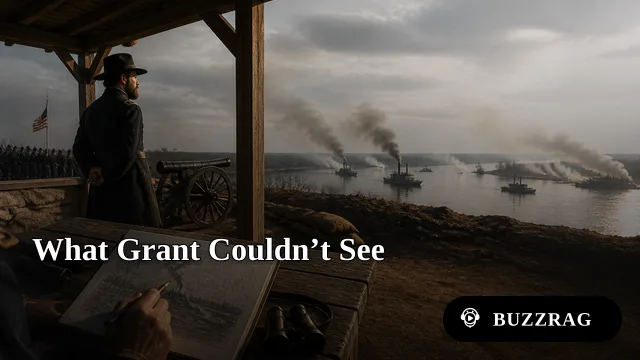
At Belmont in 1861, Grant's troops attacked and withdrew. B. F. Sawyer's eyewitness account brings Civil War confusion into focus alongside the river campaign.
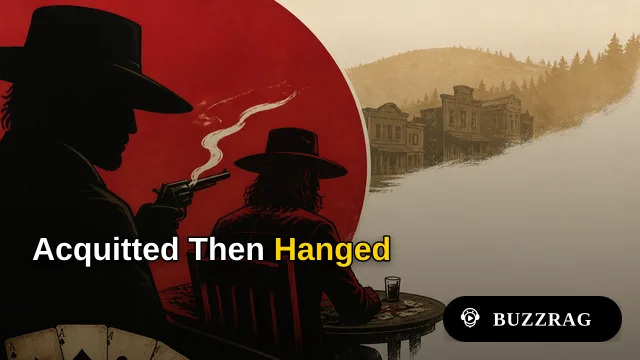
Jack McCall shot Wild Bill Hickok in Deadwood in 1876. His two trials and the disputed poker hand show how a murder became a story of the American West.
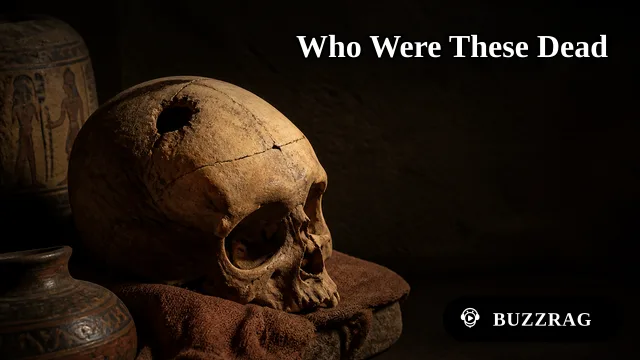
Skull injuries in burials near Egypt's first kings strengthen the case for retainer sacrifice at Abydos, while raising questions about the people buried there.
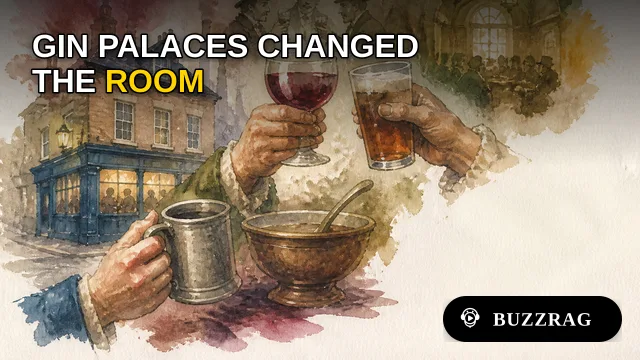
From shared cups and toasts to gin palaces and pint glasses, England’s drinking customs show how hospitality, status and space shaped ordinary social life.
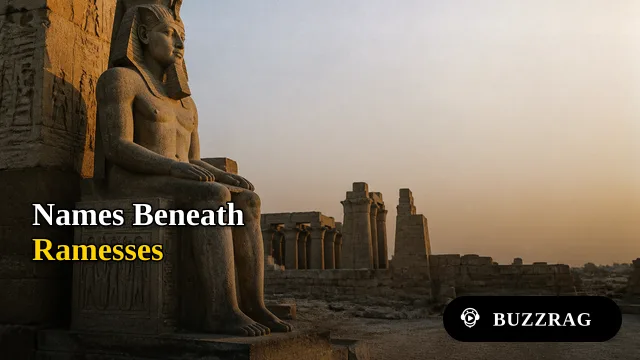
Ramesses II used temples, inscriptions, colossal statues and a royal city to shape his legacy. His monuments show how political memory endured and changed over time.
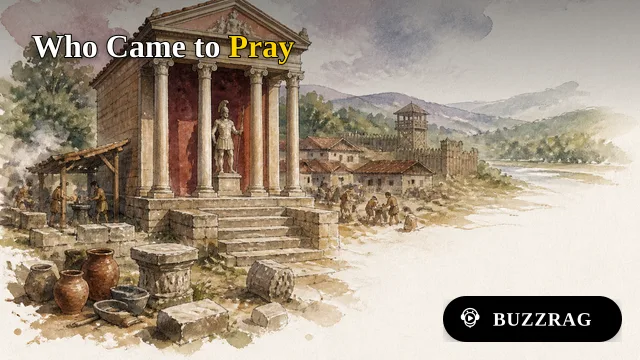
At Kapersburg, a Roman temple beside workshops and a fort offers a sharper view of worship, labor and later reuse along the empire's former German frontier.
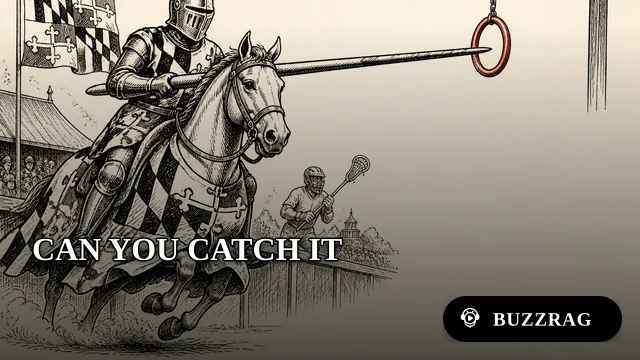
Maryland named jousting its state sport in 1962. Today's ring tournaments turn a medieval martial tradition into a test of skill, community and public memory.
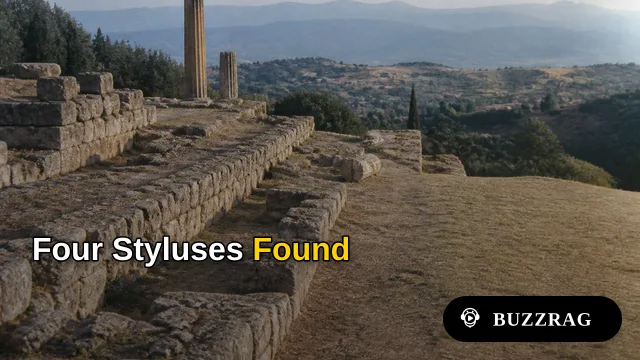
New finds at Mieza strengthen its identification as Aristotle's school, while revealing how Philip II used education to cultivate Macedonia's royal elite.

Swiss researchers developed a process for stable melted cheese in 1911. American producers adapted it, turning a preservation solution into a familiar food.
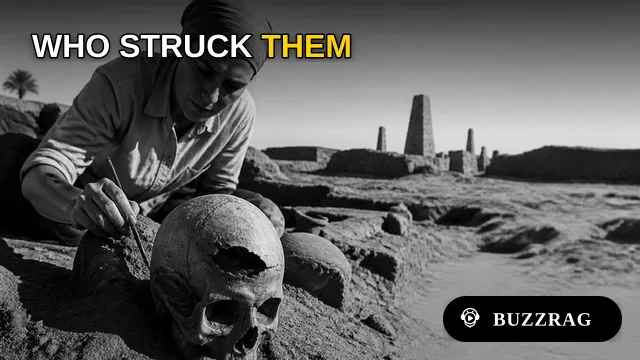
A forensic study found potentially fatal injuries in skulls from graves near Egypt’s first kings, strengthening a century-old case for retainer sacrifice.
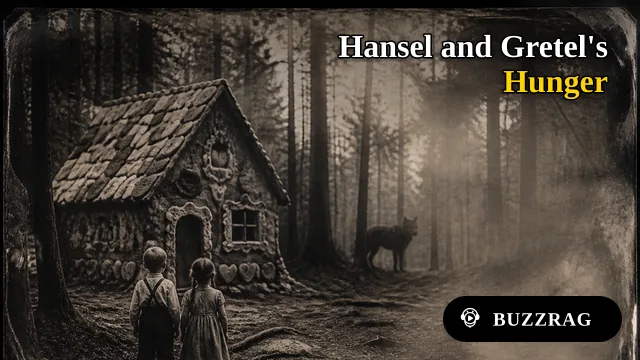
From lost children to dangerous beasts, European folklore gave forests many meanings: danger, livelihood and refuge, all shaped by who told the tale and when.
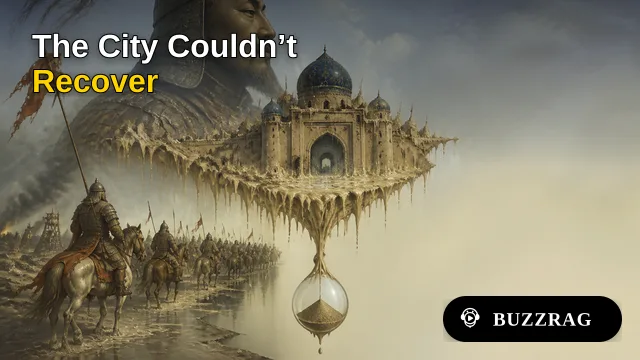
Baghdad fell in 1258 through cavalry, logistics, siegecraft and pressure. Its devastated institutions and the Mongol defeat at Ain Jalut complicate the story.
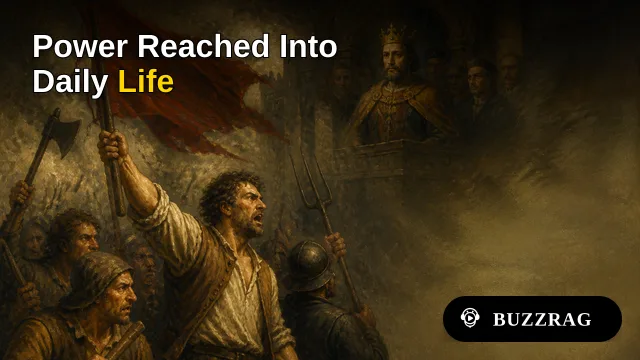
England’s 1381 Peasants’ Revolt united anger over poll taxes, wage controls and serfdom. Richard II broke his promises; the old labor order still weakened.

The Titanic had lifeboat space for about 1,178 of more than 2,200 aboard. Loading, access and maritime rules shaped who escaped the sinking in April 1912.
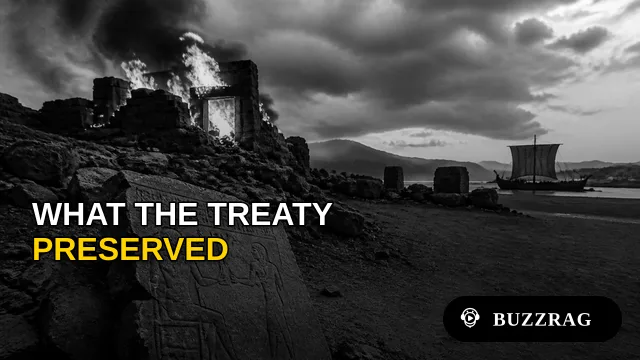
Palaces burned and empires lost power, but the Late Bronze Age crisis unfolded unevenly. A treaty fragment and trade research reveal what 'collapse' can obscure.
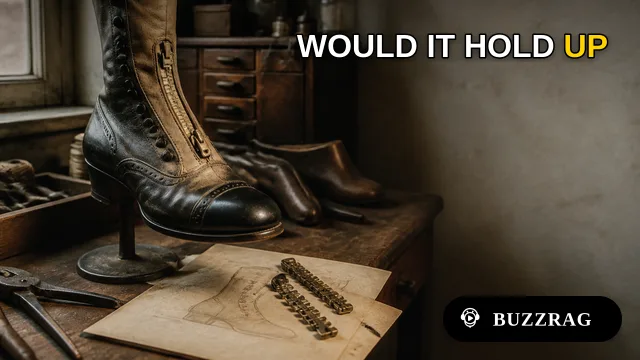
Whitcomb Judson patented a shoe clasp in 1893. Later designs made zippers practical, while rubber footwear helped give the fastener its enduring name.
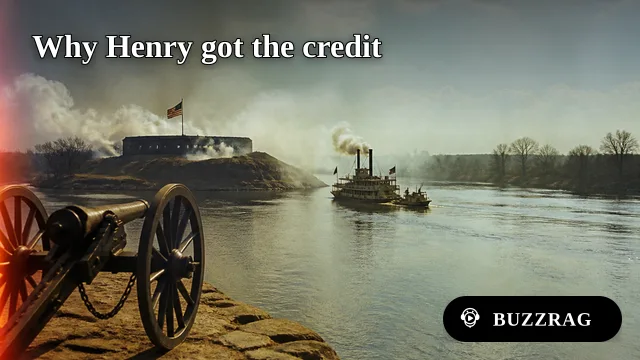
Fort Henry opened the Tennessee River in 1862, but Mill Springs came first. A closer chronology shows how the Union's early victories gained different meanings.