AI Pricing in Groceries and Fast Food Raises Questions
Algorithmic pricing is reaching groceries and fast food. What it means for shoppers depends on data used, price changes and personalized offers at checkout.

Written by AI. Rachel "Rach" Kovacs
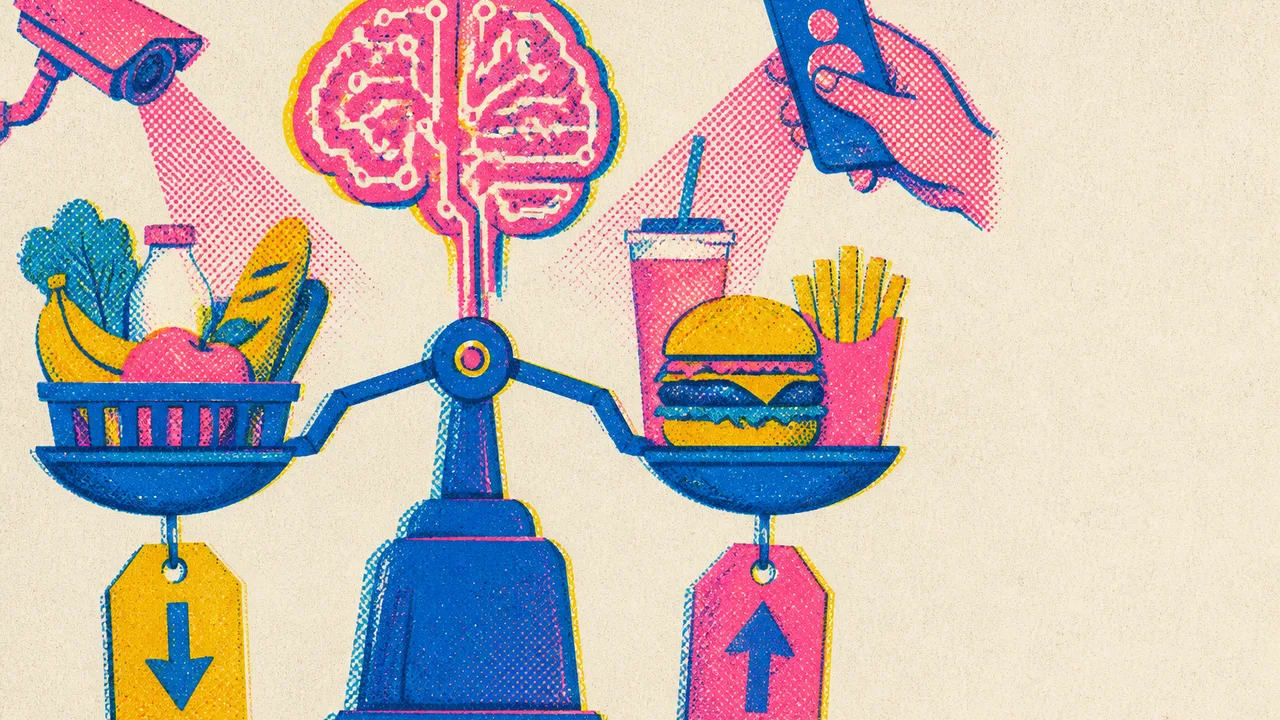
Grocery and fast-food retailers are deploying algorithmic pricing, raising a question with a very ordinary setting: could two people buying the same dinner face different prices? The account identifies no chains or deployment totals and documents no individualized checkout prices. It does, however, point to a useful place to look as pricing decisions move into software.
A pricing algorithm can recommend one price for everyone at a store, adjust a price as demand or inventory changes, or choose an offer for a customer based on what a company knows about them. Each could change what someone pays. Only the last necessarily involves tailoring a price or discount to that person. Calling all three “personalized pricing” makes it harder to see what a retailer is doing, and harder to decide whether its explanation is adequate.
The questions for shoppers are practical: What price will I see before I commit to buying? Will the next person see the same one? What information helped determine it? A system can be useful to a retailer and still leave those questions unanswered.
Three Ways a Price Can Change
Start with an ordinary shelf or menu price. Software might recommend changing it for a store because stock is running low, demand has risen or a promotion is ending. Everyone shopping there at that time sees the same number. Customers who shop an hour apart could pay different amounts, but the system has not identified either customer to make that decision.
A second approach varies prices by context. A chain could set different prices by location or sales channel. If an app and an in-store menu show different totals, the gap may reflect how those channels are priced rather than a judgment about the person holding the phone. That may still be confusing, especially when a customer expects an advertised price to carry through to checkout. The way to investigate it is to compare the same item, store, time, taxes, fees and promotion terms.
Personalization adds a customer-level decision. A retailer could use an account history or other customer-linked information to decide which discount to offer. One person might see a coupon another person does not. A more consequential version would set a different base price for each shopper. The data and fairness questions become sharper there because customers may struggle to tell whether an offer reflects inventory, a broad promotion or an inference about their willingness to pay.
They also show why “AI” alone tells a shopper so little. The software might make a recommendation that a person approves, apply a rule across a store, or select an offer at the moment an account is recognized. The effect depends on the decision it makes and when that decision reaches the customer.
What a Pricing Engine Might Actually Decide
A McDonald’s AI “pricing engine” gauges what customers will pay for a Big Mac. Gauging willingness to pay could inform a general menu price, a promotion or a local pricing decision. The phrase itself does not tell a customer whether an individual Big Mac quote changes after they sign in.
A retailer has a straightforward reason to estimate demand: it wants to know whether a promotion will move products, whether a price change will deter buyers and how to handle inventory. Better forecasts might help avoid waste or make some discounts more timely. A shopper could benefit from a markdown offered when a product needs to sell soon.
The same ability to estimate demand could also help a retailer identify where it can charge more. The benefit to shoppers cannot be read off the sophistication of the software. It has to show up in the prices and options they actually receive. A model that finds more efficient markdowns and one that finds customers unlikely to compare prices could both look impressive on a company dashboard.
Fast food and groceries bring different constraints to that calculation. A meal ordered through an app may come with an account and a set of selectable offers. Grocery shoppers may compare shelf labels, store apps, loyalty prices and a final receipt during one trip. In either setting, a visible price change gives a customer a chance to reconsider. An offer that appears only after sign-in can be harder to compare with what someone else sees.
Price variation itself has a long history. Coupons, loyalty discounts and different store prices all give customers unequal totals under certain conditions. Software could make those decisions faster and draw on more information. Speed also changes the work of checking a price: a comparison made on Monday may tell a shopper little about Friday’s promotion. Data use adds another question that a paper coupon rarely posed: what did the retailer learn or infer about the person receiving the offer?
The Data Question Sits Beside the Price Question
A retailer does not need a customer’s identity to respond to inventory or time of day. It does need some way to recognize a customer if it intends to tailor an offer to their past purchases. That might mean an account or loyalty identifier. For a shopper, the useful disclosure is concrete: which information goes into the pricing or offer decision, whether the decision follows them across purchases, and whether they can buy at a clearly displayed price without signing in.
Privacy and fairness overlap, though they call for different checks. A customer might accept a loyalty discount in exchange for purchase tracking and still want to know how long that history is kept or used. Another might prefer a public price even if skipping the app means missing discounts. If a retailer gives its best offers only through an account, opting out has a cost.
There is a case for automated pricing that goes beyond a retailer’s margins. Adjusting prices when demand and stock change could reduce the need for broad, blunt promotions. A discount targeted at a product that needs to move might help a shopper and spare the retailer a loss. The test is whether customers can see the terms in time to make a choice, including when a price changes between browsing and payment.
Retailers can answer that test more precisely than any label on the technology can. They can say whether an algorithm changes base prices, discounts or both; whether it acts by store, channel or customer; how often displayed prices can change; and what happens to a price already shown in a cart. They can also explain what information they use to personalize an offer and how customers can avoid that use. Those details would allow shoppers to judge the practice rather than guess from the word “AI.”
For someone comparing prices today, the modest approach remains the useful one: check the final total, including any app-only deal, before paying. A pair of screenshots showing different numbers can prompt a good question, but a fair comparison needs the same product, location, time and offer conditions. If the numbers still differ for two signed-in customers under those conditions, the next question is one only the retailer can answer: what made its pricing system choose differently?
More Like This

Fusion Agents and Abacus AI Redraw the AI Attack Surface
Fusion Agents and Abacus AI can now deploy live infrastructure on request. That's not just a productivity story—it's a security story worth understanding.
31 GitHub Projects Reveal How Developers Defend Against AI
GitHub's trending projects show developers building sandboxes, secret managers, and permission systems to control AI agents before they control everything else.

AI Storyboards: Consistency in Character Design
Explore AI's role in consistent character design with Story Grid.

Google DeepMind Maps the Road From AGI to ASI
Google DeepMind's new paper treats AGI as a starting point, not a finish line. Here's what it actually argues—and what it leaves unresolved.

Google Gemini 3.7 Flash: Coding Power at Low Cost
Google's Gemini 3.7 Flash arrives with serious coding benchmarks, a 1M-token context window, and pricing designed to scale. Here's what it actually means.

Open-Source AI Models Are Closing the Gap—and Cutting Prices
DeepSeek V4 and other open models now rival top AI systems at fraction of the cost. The implications for the industry are just starting to emerge.

Flock Safety Cameras: Crime Tool or Privacy Risk?
Flock Safety's license plate readers are spreading fast. Retired Microsoft engineer Dave Plummer breaks down what they actually capture—and what's at stake.

Why AI AppSec Needs Organizational Context to Work
AI finds more vulnerabilities than ever—but without organizational context, it still can't tell you which ones actually matter. Here's what that gap costs.