
Dimethylmercury: The Poison That Went Through Karen Wetterhahn's Gloves
Mei Zhang·1 month ago
From quantum mechanics to deep space, neuroscience to climate systems. Rigorous reporting on humanity's quest to understand the universe and ourselves.
Dimethylmercury slipped through latex gloves in seconds. Karen Wetterhahn's symptoms surfaced months later; she died ten months after the spill.

The Libet experiments claimed your brain decides before you know it. Three new papers argue the measurements were fine but the interpretation never was.

A DIBEOS video walks through sequences, partial sums, Taylor and Fourier series, and the one trap that catches everyone: terms shrinking to zero do not guarantee convergence.

ALMA observations suggest a massive binary star system formed in roughly six decades, a blink in stellar time. What the evidence shows, and what it doesn't yet.
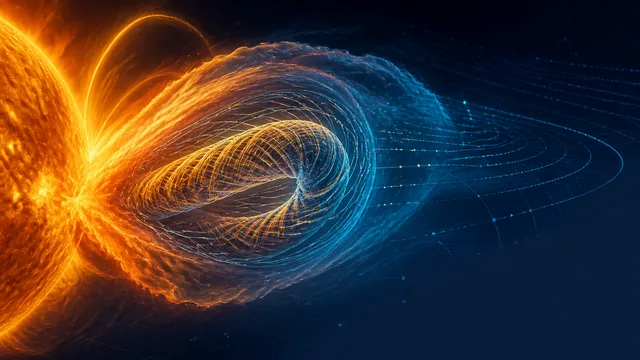
A new arXiv preprint reconstructs the twisted magnetic structure of coronal mass ejections. Here's what it could mean for forecasting, and who's betting on it.
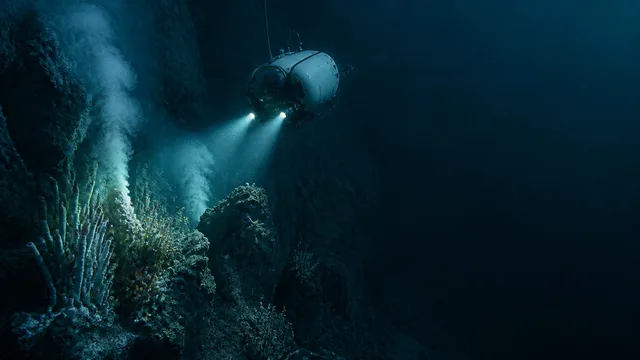
At nearly 11,000 meters down, the Mariana Trench hosts snailfish, amphipods and chemosynthetic ecosystems. A look at how we know, and what remains unmapped.
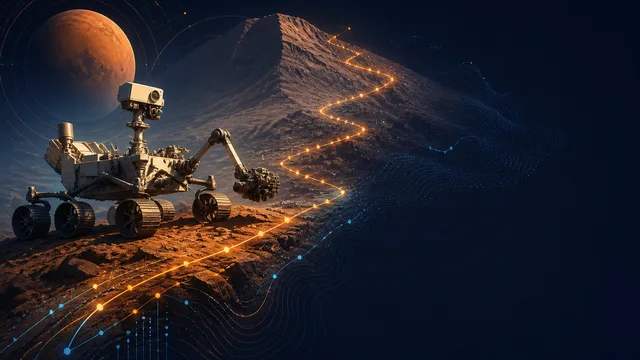
NASA's Curiosity rover has passed 5,000 Martian days and climbed a kilometre of Mount Sharp. What the milestone reveals about the science behind the number.
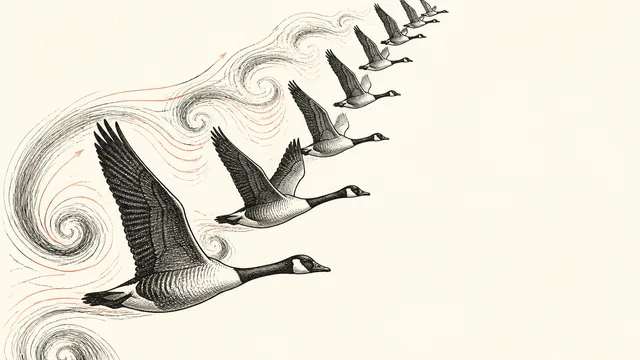
Birds save energy by riding invisible upwash from flockmates' wingtips. The physics behind the V formation, from ibis wingbeats to goose leadership shifts.
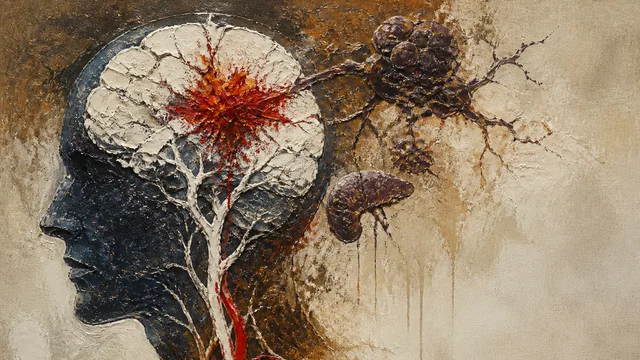
New research in Cancer finds stroke risk rises 2.5-fold in the first three months after a cancer diagnosis, especially with pancreatic and lung cancers.
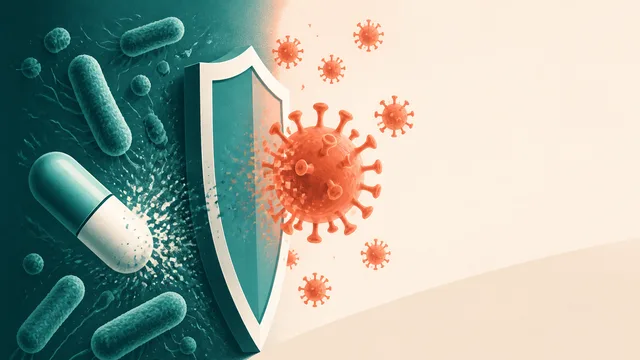
A new explainer from History of Simple Things breaks down how viruses and bacteria differ, why antibiotics miss viruses, and when symptoms are your own immune system.
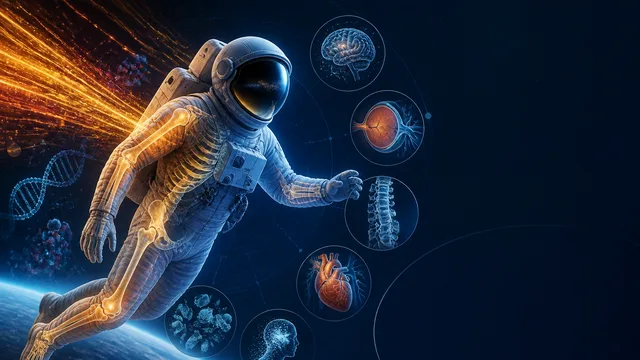
Radiation, bone loss, vision changes and isolation: what the evidence says about spending months in space, and where the research is still thin.
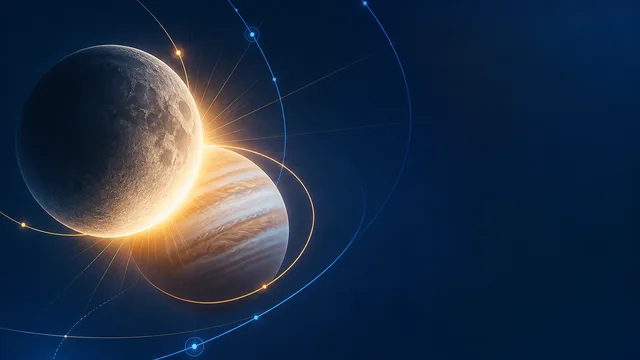
On September 8 the Moon passes in front of Jupiter in a rare daytime occultation. How the geometry works, who can see it, and how to actually try.
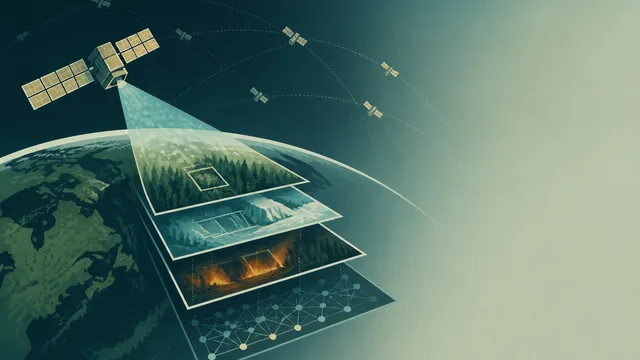
Commercial satellite constellations and AI can track forests, ice and fires in near real time. The catch: who can audit the data, and who gets to see it.
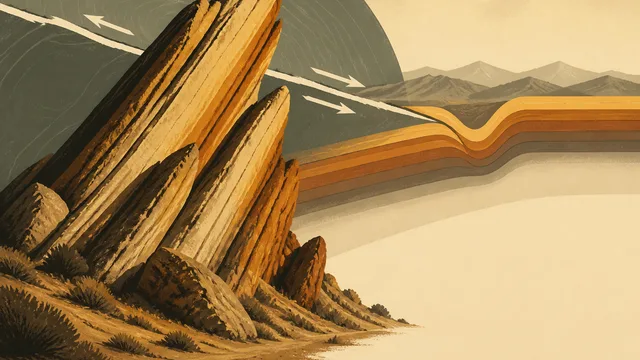
The 50-degree sandstone fins of Vasquez Rocks record 25 million years of tectonic tilting in the Soledad Basin, a natural lab visible from space.
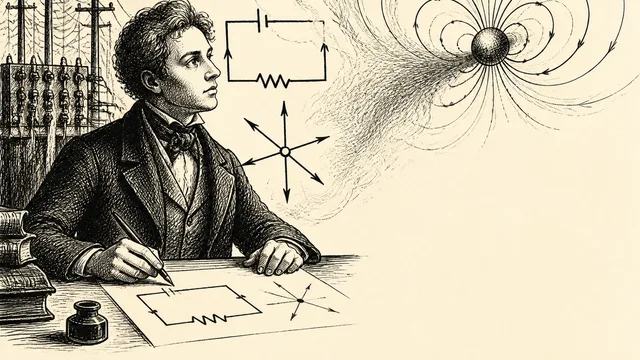
In 1845 a 21-year-old student wrote two circuit rules. Twenty years later, Maxwell's equations revealed they were conservation laws all along.
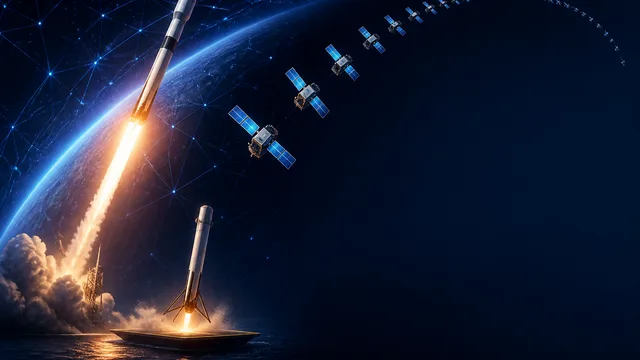
A Falcon 9 launched 27 Starlink satellites from Vandenberg on Sept. 6. What the routine flight reveals about the industrial pace of low-Earth orbit.
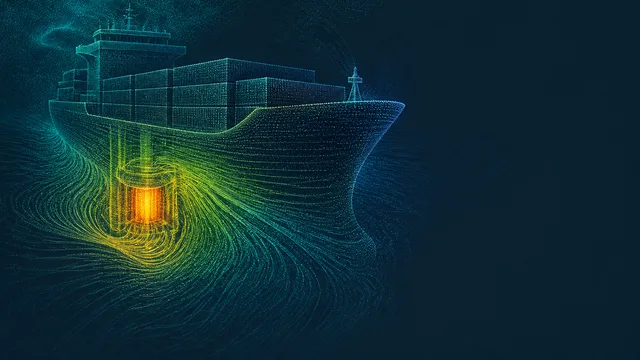
A MARAD-Core Power agreement targets nuclear merchant ships laid down from 2028. The reactor is the easy part; lawyers, insurers and ports are not.
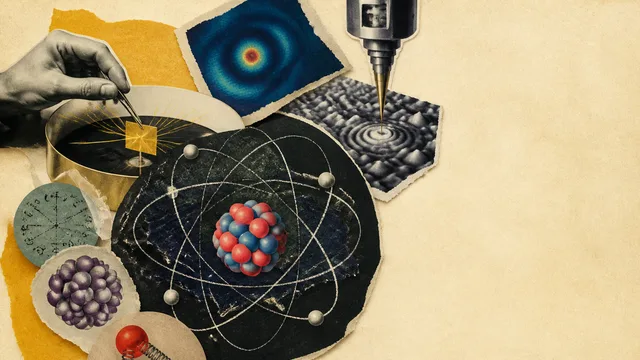
From Rutherford's gold foil to quantum fields, a look at how indirect evidence built our model of atoms no one can see. By Priya Sharma.
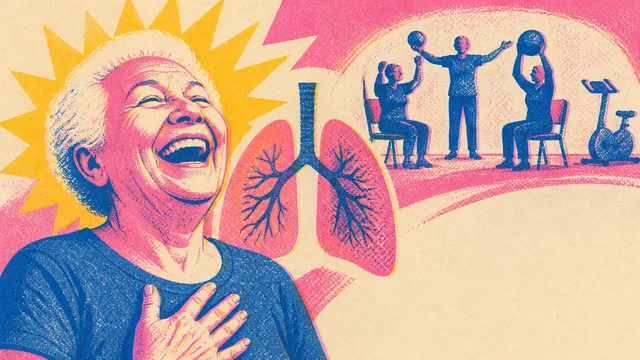
An eight-week laughter therapy trial reports easier breathing for COPD patients. We break down the small study, its limits, and what a bigger trial must show.
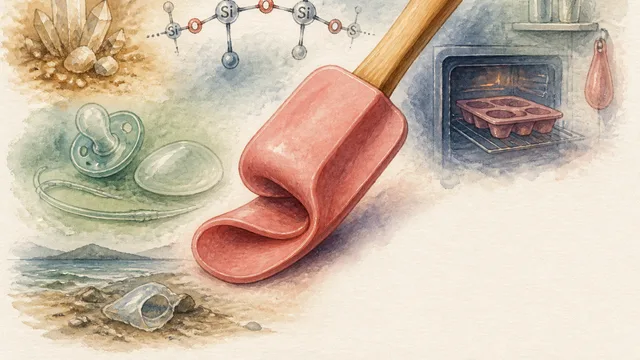
Silicone starts as sand and ends up in your oven, your bathroom, and inside the human body. Here's the chemistry, the history, and the trade-offs.