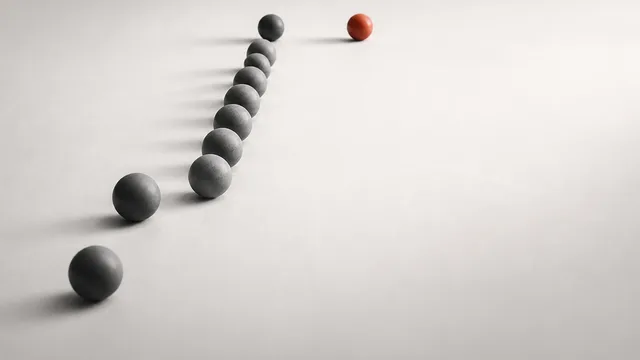
Why Gaps Between Prime Numbers Have No Upper Limit
Priya Sharma·4 weeks ago
From quantum mechanics to deep space, neuroscience to climate systems. Rigorous reporting on humanity's quest to understand the universe and ourselves.
A factorial proof creates arbitrarily long prime-free runs, but finding the earliest examples and estimating gaps near huge numbers remain difficult problems.
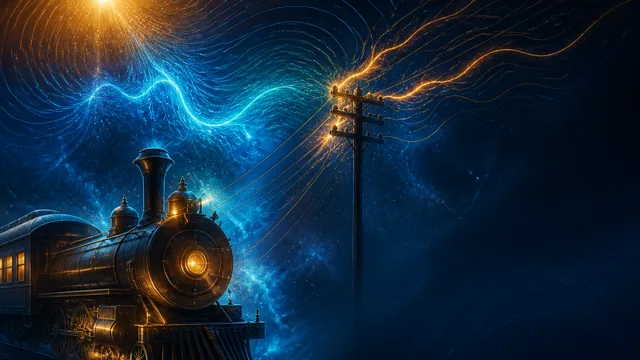
A disputed Victorian train delay links geomagnetic activity to telegraph faults, showing how space weather affected systems before satellites and power grids.
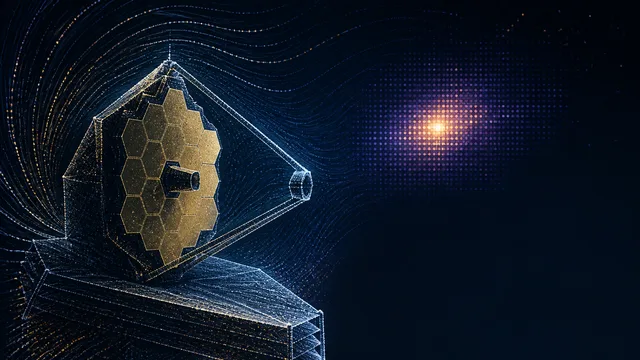
Roman's blurry first test image checks optics and detectors, while fuel savings raise a longer question: how much science can it deliver over decades?
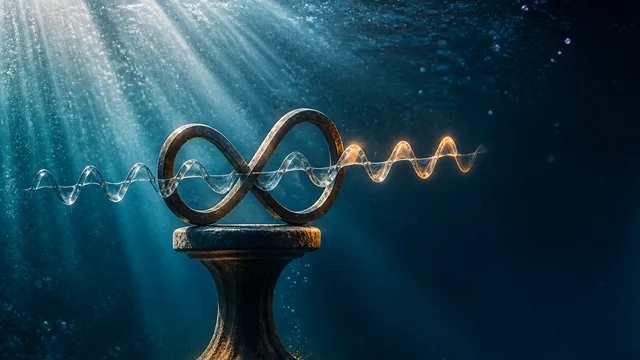
The sinc integral equals pi over two despite lacking an elementary antiderivative. Exponential damping reveals the value and the convergence caveat behind it.
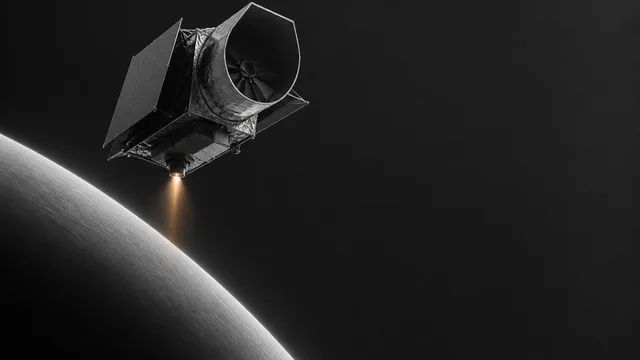
A precise engine burn could let NASA's Roman telescope operate for 22 years, expanding its science horizon if fuel, hardware, instruments and support hold up.
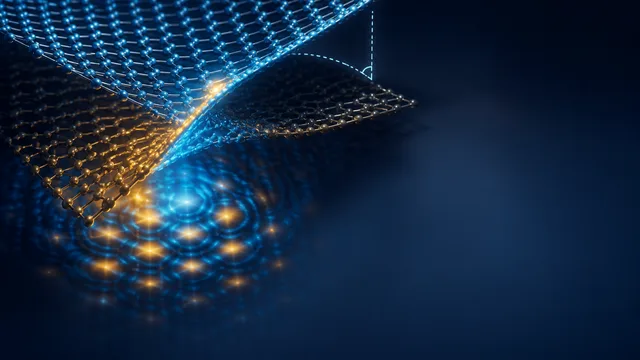
A 1.1-degree twist lets bilayer graphene host insulating, magnetic and superconducting phases, but fabrication and practical uses remain unsettled today.
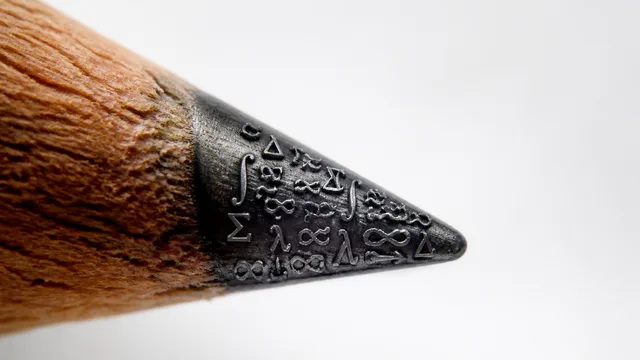
A clear guide to how mathematical notation encodes logic, where familiar symbols change meaning, and why context matters more than memorising a glossary alone.
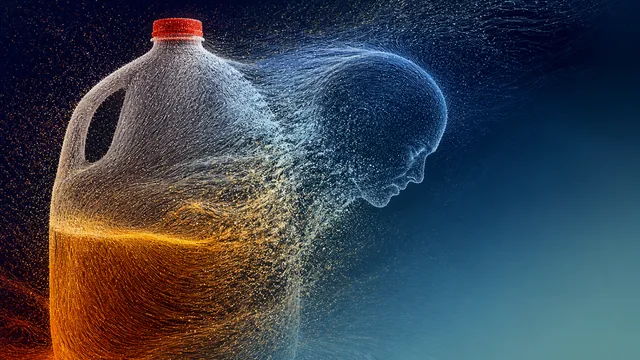
A new study finds nearly one-third of college-age BORG drinkers reported blacking out. What the data shows, what it can't tell us, and what prevention should target.
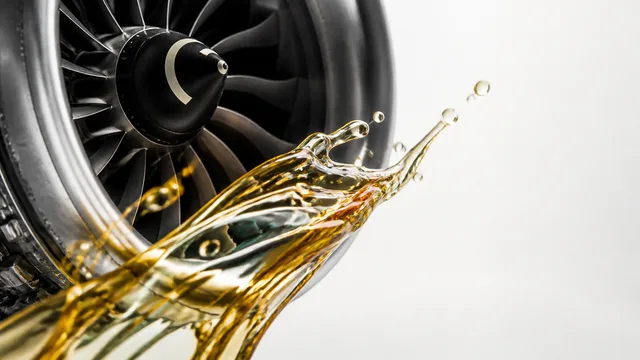
Jet engines run on a refined cousin of lamp oil. Here's how flash points, vapor lock and freezing altitudes settled that choice, and where the story gets murkier.
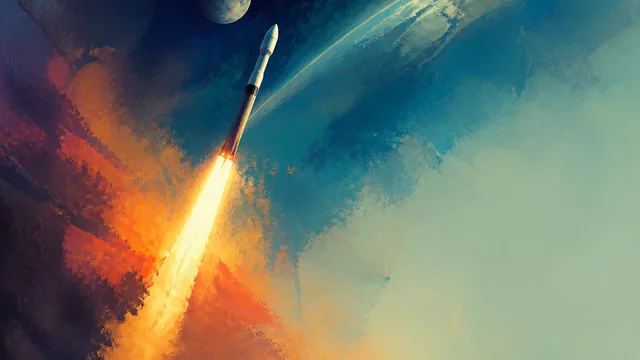
SpaceX's 700th Falcon mission carried the last three SES O3b mPOWER satellites. What the launch count proves, and what it leaves unresolved.
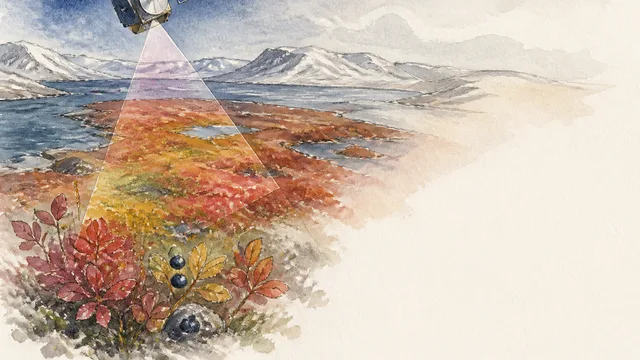
Satellite images show autumn colors arriving early in Nunavut. We look at what one snapshot can and cannot say about a changing Arctic.
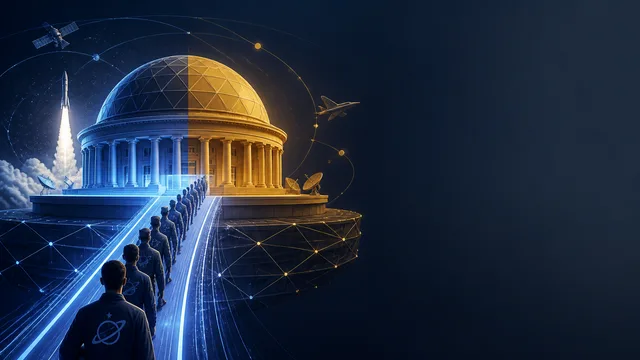
An executive order creating a U.S. Space Academy sounds like a training win. The open questions about governance, funding and civilian control are harder.
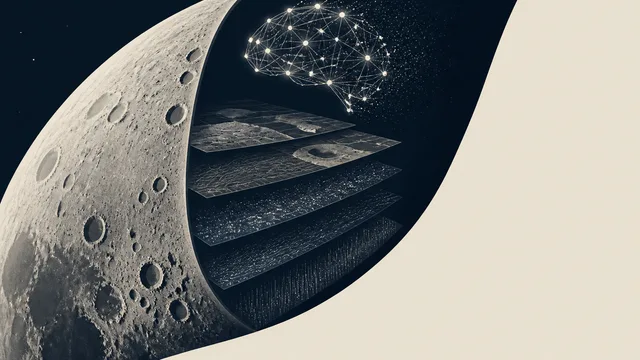
NASA and IBM have released an open AI model trained on 17 years of lunar data. What it maps, what it cannot do yet, and why researchers are still testing.
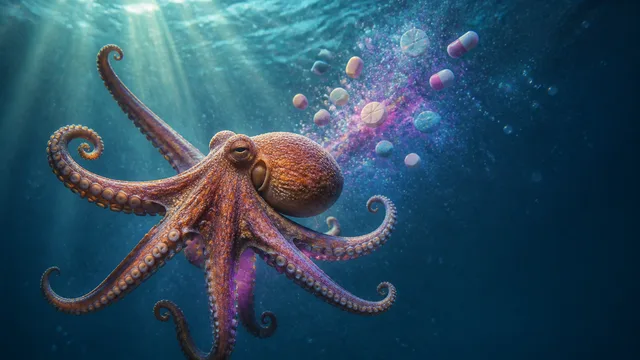
Neuroscientist Gül Dölen explains how psychedelics may temporarily reopen the brain's critical periods for learning, and what octopuses on MDMA taught her lab.
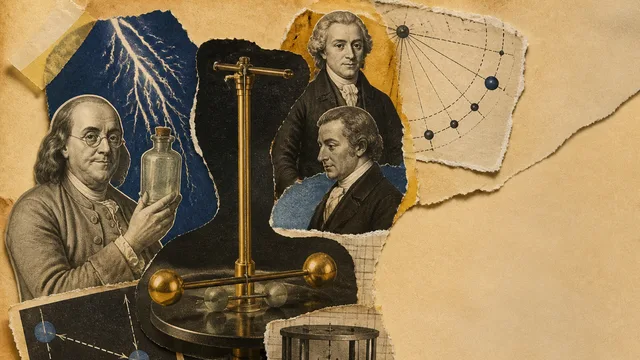
Franklin's charged-can puzzle, Priestley's Newtonian guess, Cavendish's unpublished precision, and the torsion balance that finally measured the electric force.
Rocket Lab has formally protested NASA's award of a $700 million Mars orbiter contract to Blue Origin, arguing the selection conflicts with congressional eligibility rules.
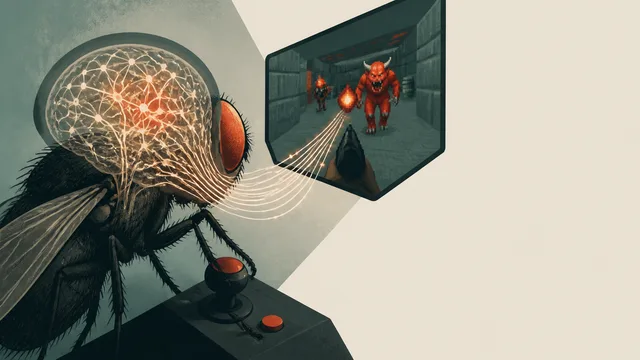
Google's reconstruction of a fruit fly brain, with over 166,000 neurons, now drives Doom and Mario 64. What the experiment shows, and what it cannot yet claim.
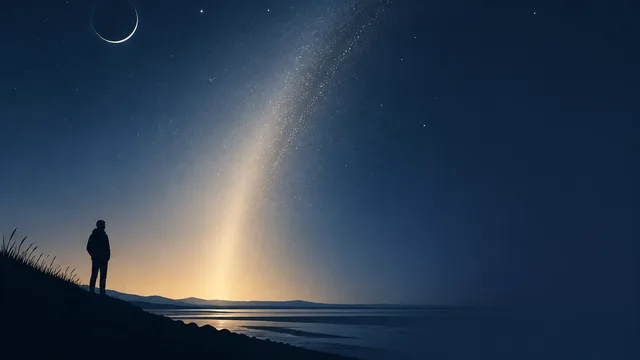
September's new moon opens a dark-sky window for the zodiacal light, the faint 'false dawn' glow from interplanetary dust. How to see it, and why it's visible at all.
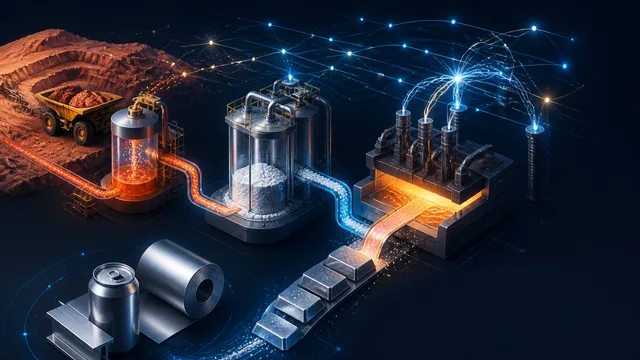
Aluminum was once more precious than gold. How the Bayer and Hall-Héroult processes turned red bauxite rock into modern metal.
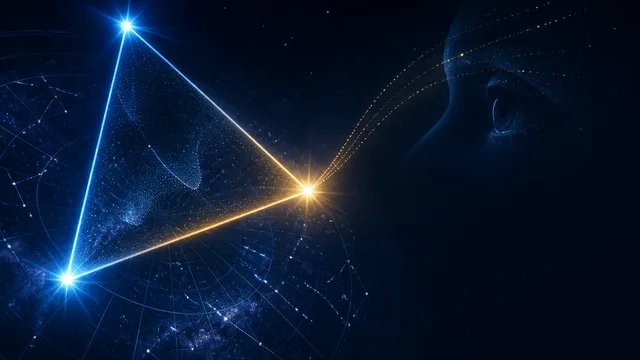
Vega, Altair and Deneb form the Summer Triangle, a pattern built from perspective, not physics. What the asterism actually is, and why it lingers past summer.