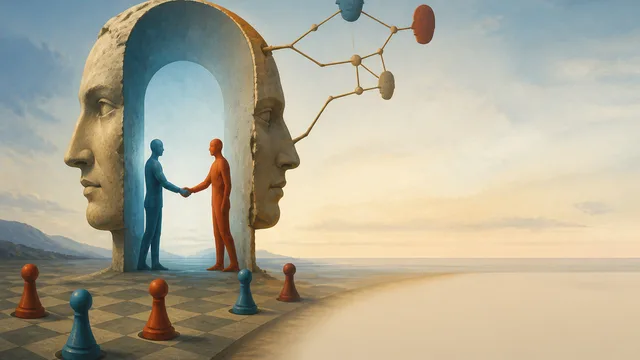
How Opponent Recognition Unlocks Cooperation in Evolution
Priya Sharma·3 months ago
From quantum mechanics to deep space, neuroscience to climate systems. Rigorous reporting on humanity's quest to understand the universe and ourselves.
A Rutgers physicist argues that tailoring cooperation to specific opponents—not blanket strategies—may be evolution's simplest path out of the Prisoner's Dilemma trap.
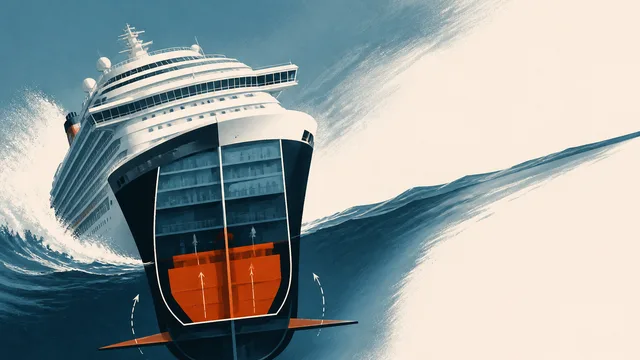
Cruise ships look impossibly top-heavy. The engineering that keeps them upright is layered, counterintuitive, and more fragile than the brochure suggests.
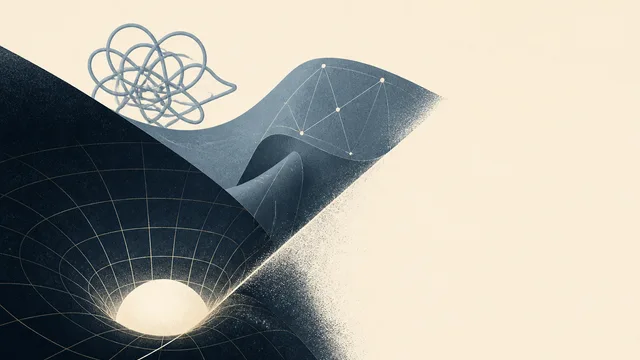
Neil Turok argues quadratic gravity—a 1970s idea—may solve quantum gravity without strings or extra dimensions. Here's what that claim actually rests on.
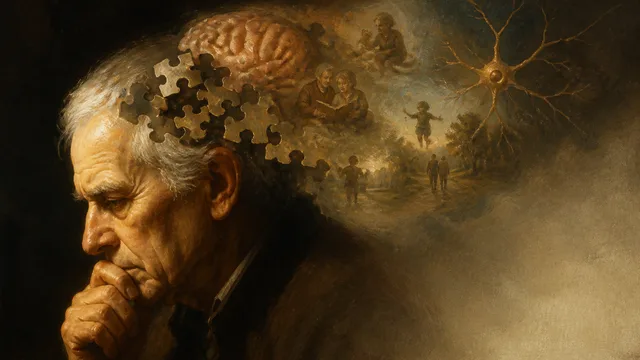
Neuroscientist Lisa Genova explains why everyday forgetting isn't Alzheimer's — and what parents under chronic stress actually need to know about brain health.
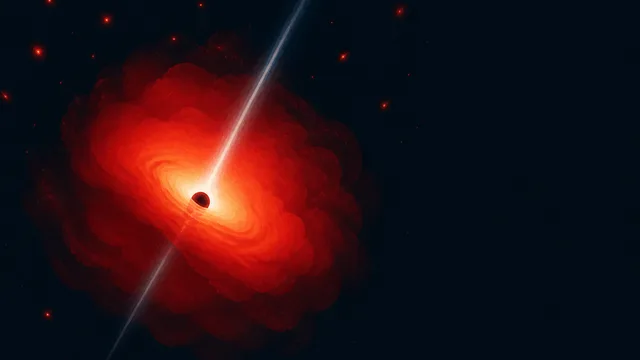
New JWST spectral data on a single "little red dot" galaxy offers the strongest case yet that they're supermassive black holes wrapped in dense gas cocoons.
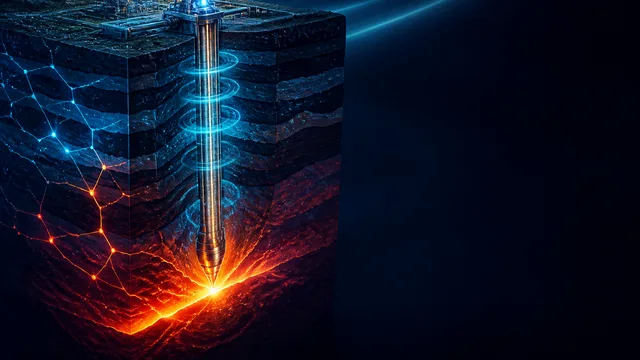
Geothermal delivers 24/7 clean power with near-zero emissions. But drilling costs, financing gaps, and policy inertia stand between the technology and global scale.

A geometry puzzle about two walls and a man's height reveals a classical theorem — and a surprising connection to teamwork math. Here's what's actually going on.
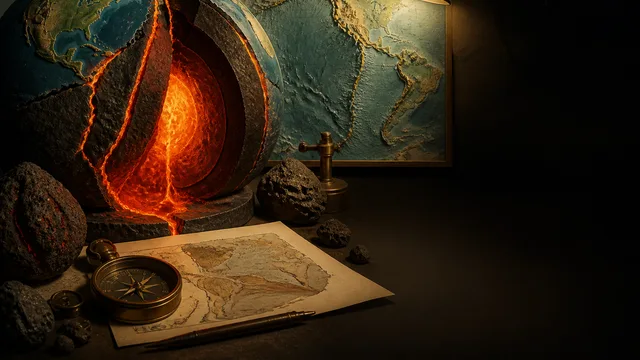
From the Ring of Fire to future supercontinents, plate tectonics explains how Earth's surface has been reshaping itself for 3 billion years—and what comes next.
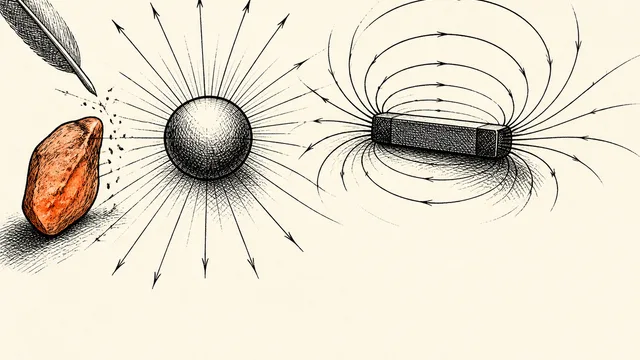
From ancient amber to Gauss's law: how physicists replaced "action at a distance" with the field concept that underpins all of modern physics.
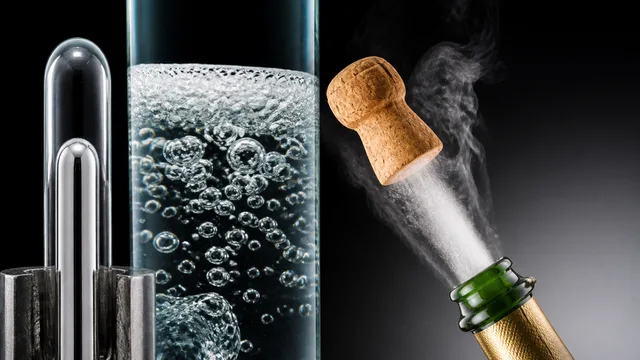
Neil deGrasse Tyson explains the physics of air pressure — and why understanding it matters beyond parlor tricks and party science.
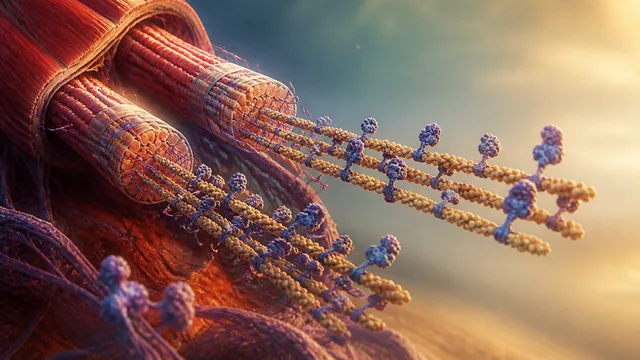
From actin filaments to the calcium switch, here's how your muscles actually contract — and what happens when the molecular machinery goes wrong.
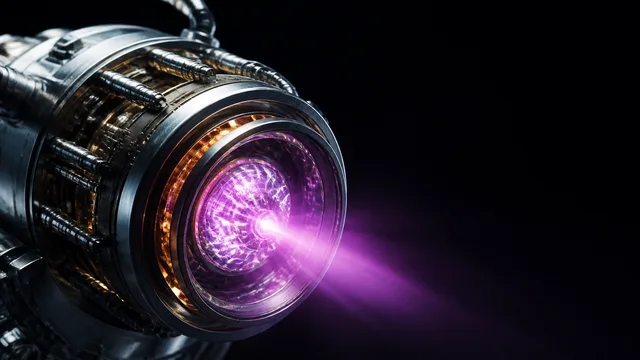
Antimatter propulsion promises interstellar travel, but its staggering energy production costs reveal a deeper lesson about civilizational-scale infrastructure investment.
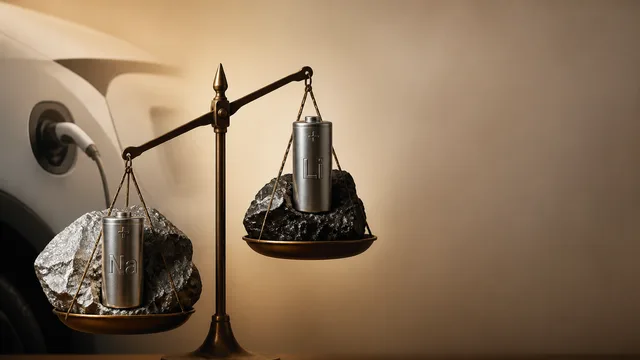
Sodium-ion batteries aren't here to replace lithium-ion. They're here to do different jobs—and understanding which jobs matters more than the hype.
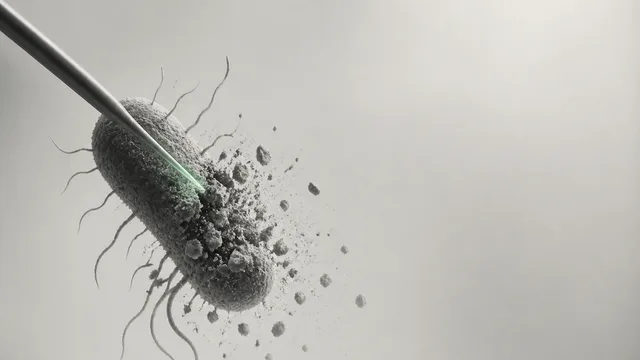
Zosurabalpin could be the first new antibiotic class targeting gram-negative superbugs in 50 years. Here's how it works—and how AI helped build it.
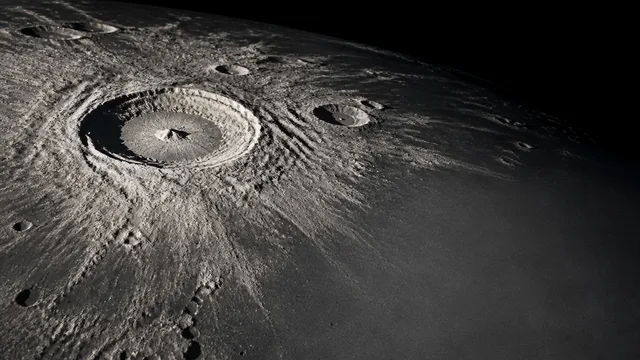
Tycho crater is 85km wide, 4.8km deep, and possibly 108 million years old. But when exactly did it form — and what did it do to Earth?
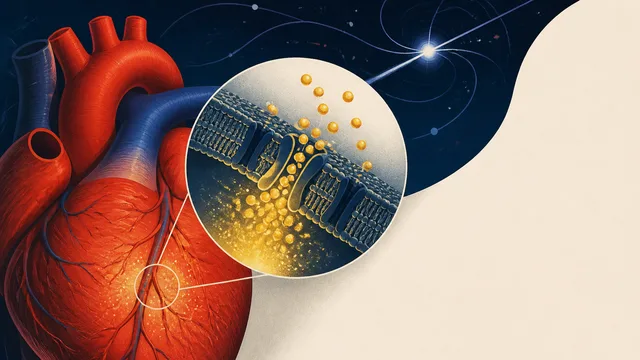
Izzy Jayasinghe and Alfredo Carpineti discuss heart disease, invisible light, and what super-resolution microscopy reveals about the body's smallest structures.
Curt Jaimungal's latest video unpacks "the nature of reality" across physics, philosophy, and math — and the distinctions hit differently when you cover CRISPR for a living.
Fusion reactors have cleared their core scientific hurdle. What remains are hard engineering challenges—and a tight race against the clock and other clean energy sources.
Nobel laureate Jennifer Doudna maps CRISPR's real progress, AI's actual role in biotech, and the funding threats reshaping American science.
Shade, cold weather, and clear water offer less UV protection than most people assume. Here's what the science actually says about when sunburn risk is highest.