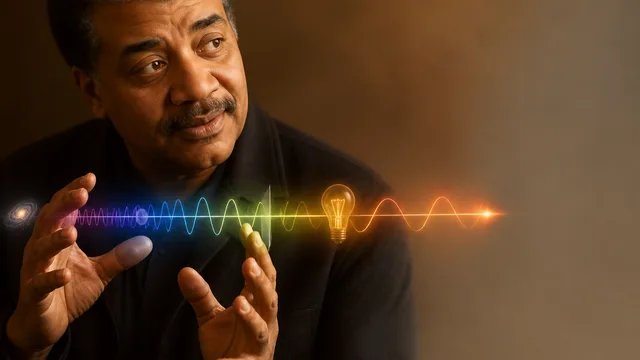
The Electromagnetic Spectrum Explained by Neil deGrasse Tyson
Priya Sharma·2 months ago
From quantum mechanics to deep space, neuroscience to climate systems. Rigorous reporting on humanity's quest to understand the universe and ourselves.
Neil deGrasse Tyson and Chuck Nice trace how electricity and magnetism unified into the electromagnetic spectrum—and what that means for everything we see and build.

From Welsh peatlands to Suffolk heathland, recent UK wildfires have set back ecosystems by decades or centuries. Here's what recovery actually looks like.
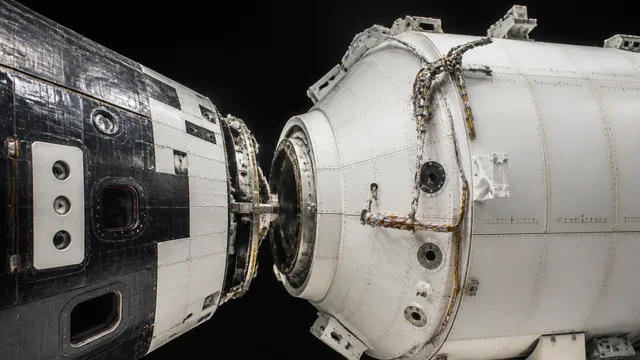
NASA technicians joined the Artemis III Orion crew and service modules on July 30, 2026 — real flight hardware, in the building where Apollo spacecraft were checked out.
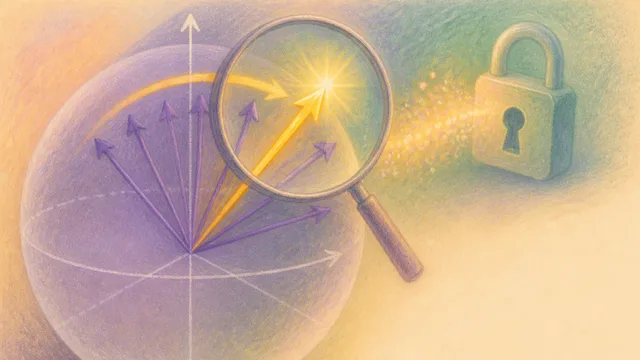
Dr. Katie McCormick uses Minesweeper to explain Grover's algorithm — a quantum search method with real implications for cryptography and beyond.
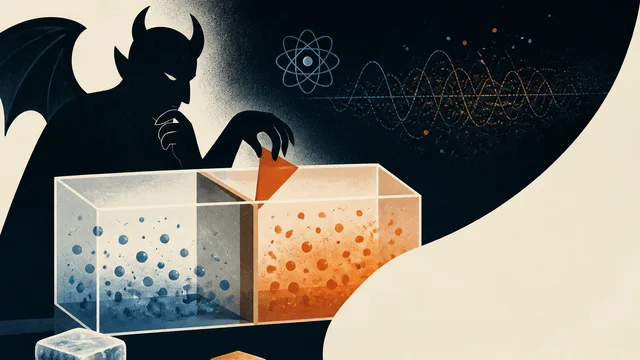
Physicist John Goold explains how a 19th-century thought experiment about entropy became central to quantum mechanics, computation, and the nature of information.
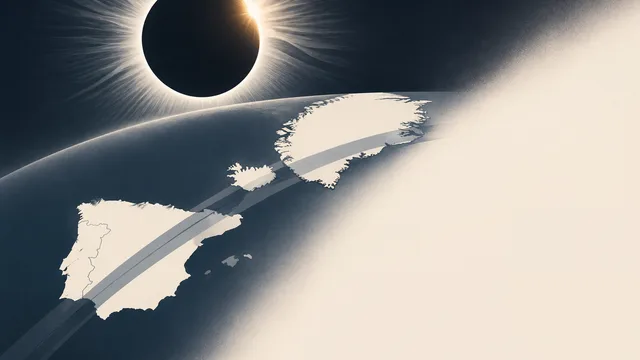
The Aug. 12, 2026 total solar eclipse crosses Spain, Iceland, and Greenland. Here's what scientists are doing with it — and who actually gets to watch.
IBM's Kevin Sung breaks down quantum vs. classical information using Qiskit—and why the math underlying quantum computing matters far beyond the lab.
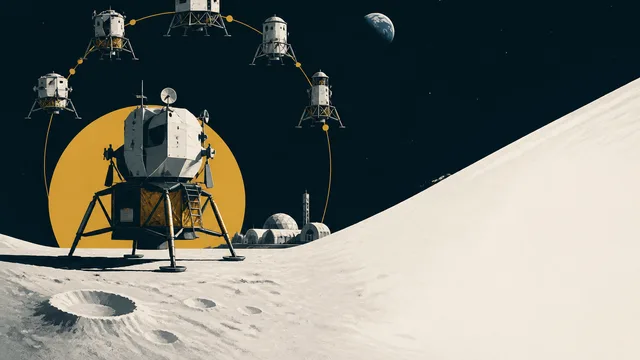
NASA's August 2026 moon base update shows real hardware in real facilities — five companies, four landers, and a plan requiring 20+ lunar landings to pull off.
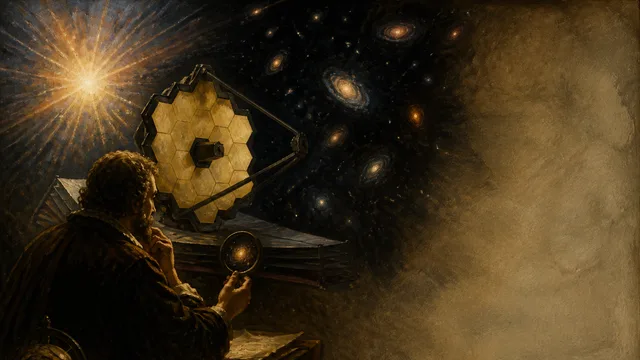
Philosopher of science Bjørn Ekeberg argues Webb's early galaxy findings expose a deeper problem: cosmology's dependence on interpreting light it cannot fully verify.
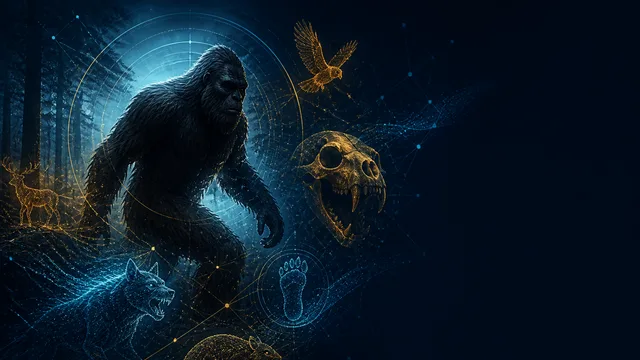
From Georgia dashcam footage to Brazilian backyards, cryptozoology meets real wildlife science—and the answers are often stranger than the legends.
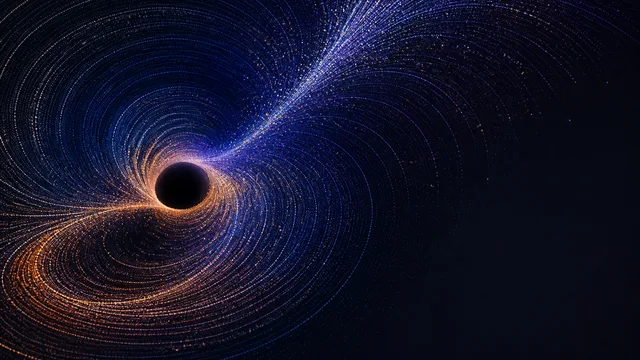
LIGO's latest catalog may contain a sub-solar-mass black hole that couldn't form from a star—and what that means for our understanding of the early universe.
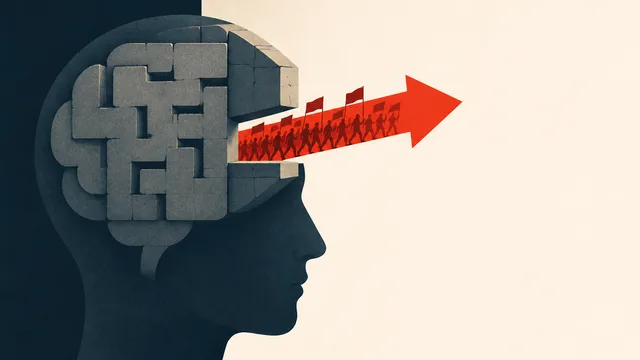
Cognitive scientist Leor Zmigrod argues that susceptibility to extremism is measurable, biological, and—crucially—not fixed. Here's what the research actually shows.
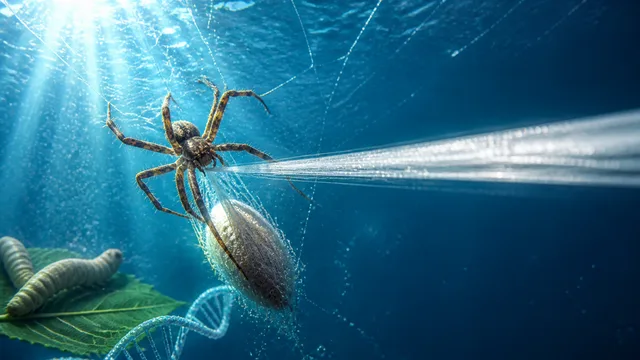
Spider silk is stronger than steel by weight and tougher than Kevlar. Here's the science behind it—and the ethics of engineering it at scale. 🧬
Mathematician Barbora Hudcova proves that computational universality doesn't guarantee self-replication—and neither one is sufficient for life.
Russia is drilling 8 km into the Earth to test whether oil can form from inorganic matter and replenish itself. Here's what the science actually says.

The Collatz conjecture is two rules long and 89 years unsolved. Here's why the math that almost proves it is the same math that already fails it.
Neil deGrasse Tyson and Michael Shermer unpack objective truth, motivated reasoning, and why your brain argues like a lawyer, not a scientist.
An AI trained on simulated data found 7 rare quasar lenses in 800,000 DESI objects. The method reshapes how astronomers—and scientists everywhere—search for rare phenomena.
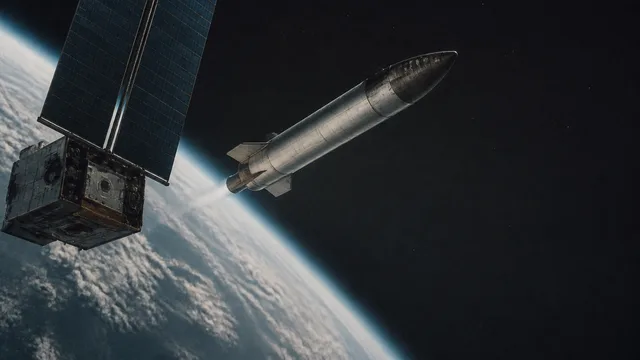
SpaceX used Starlink V3 satellites to image Starship's heat shield in real time during Flight 13 — and the implications go far beyond a cool photo.
The FAA wants to skip environmental reviews for rocket launches. Here's what that means for the communities living under the flight path — and who doesn't.