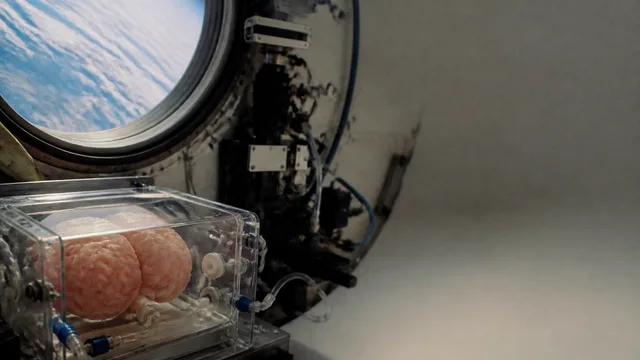
Space Is Accelerating Brain Disease Research on Earth
Amelia Nwofor·4 months ago
From quantum mechanics to deep space, neuroscience to climate systems. Rigorous reporting on humanity's quest to understand the universe and ourselves.
UC San Diego researcher Aline Martins explains how brain organoid experiments aboard the ISS are generating new leads for Alzheimer's, Rett syndrome, and aging.
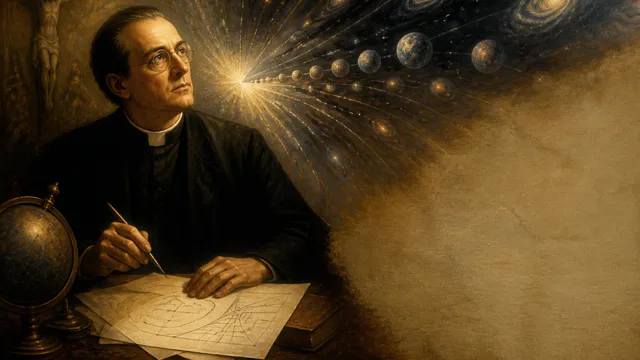
Three cosmologists unpack whether Georges Lemaître's faith compromised his science—and why the real threat to cosmology is political, not theological.
How cosmology's greatest breakthroughs were shaped by institutional power, anonymous labor, and the recurring human failure to act on what the evidence clearly shows.
Neil deGrasse Tyson draws a line between "haven't figured it out yet" and "forbidden by physics." That line matters more than most people realize.
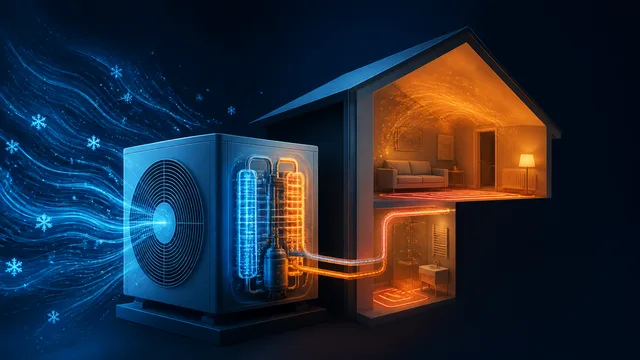
Heat pumps can be 5x more efficient than gas boilers. Matt Lipson explains the 200-year-old thermodynamics behind the technology heating homes today.
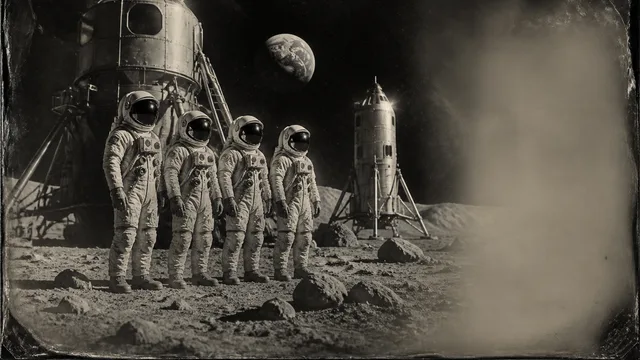
NASA has named the four-person crew for Artemis III, a complex multi-launch test mission targeting 2027 that will rehearse docking with both Blue Origin and SpaceX landers in low Earth orbit.
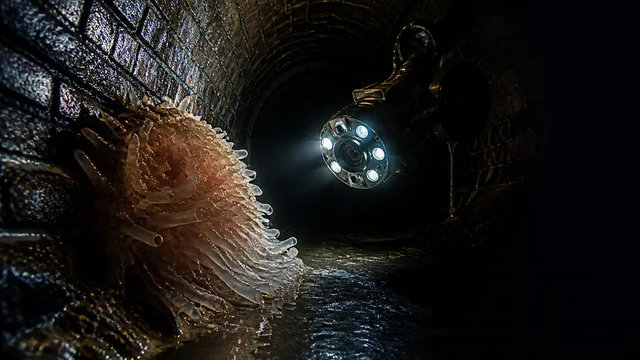
In 2009, a robotic sewer camera in Raleigh, NC filmed a pulsating blob. Scientists debated mutant tissue, jellyfish, and worms. Here's what the evidence suggests.
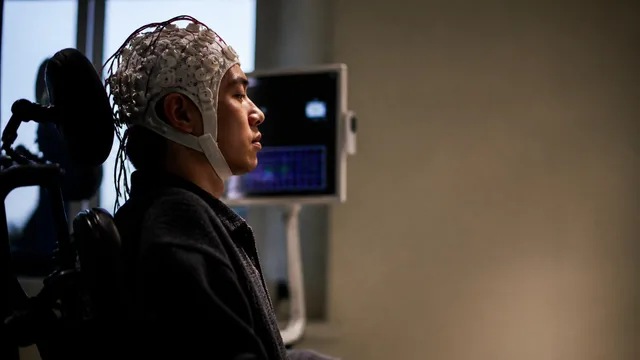
Brain chips can restore movement to paralyzed patients. But at $50,000 a surgery, the real question isn't who wins the tech race — it's who gets left out.
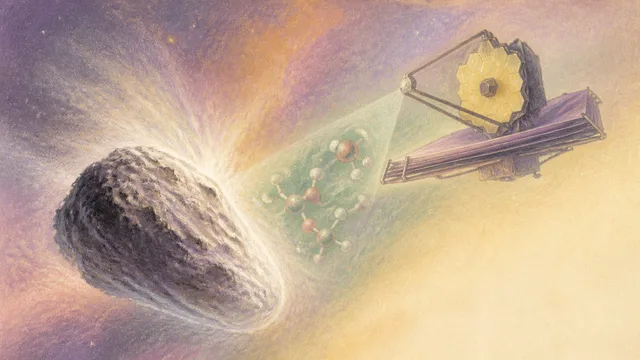
Webb's MIRI instrument detected methane on interstellar comet 3I/ATLAS after perihelion—a timing that hints at buried volatile layers from another planetary system.
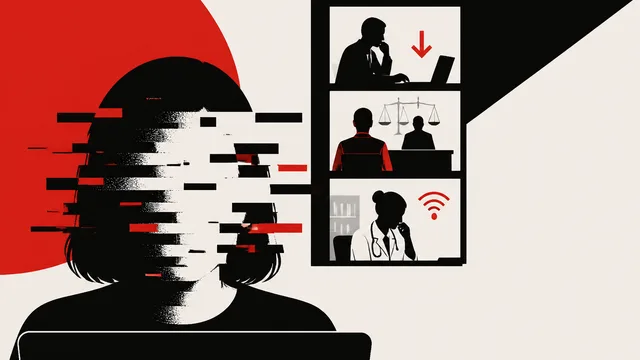
A 2025 study finds video call glitches reduce trust, hurt hiring odds, and may influence parole decisions—with unequal consequences for those with poor internet access.
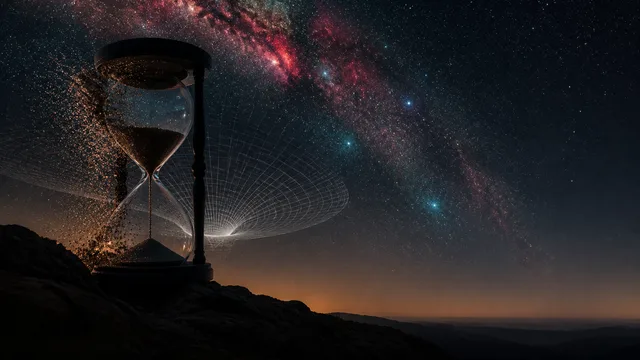
Physics equations work equally well forwards or backwards in time. So why does time feel so irreversibly one-directional? The answer is stranger than you'd expect.
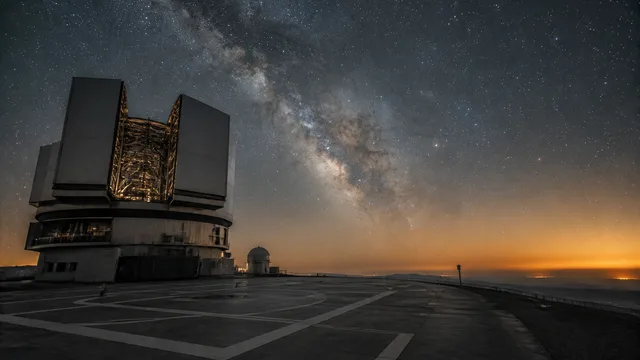
From Mauna Kea protests to the Columbia Seven, the race to build the world's biggest telescopes carries human costs science documentaries rarely pause to name.
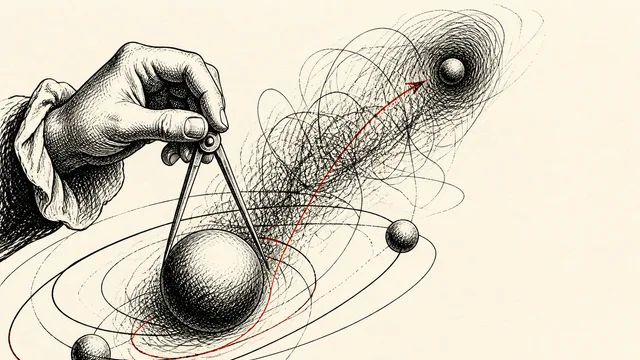
From Newton's plague-year breakthrough to Poincaré's expensive mistake, differential equations underpin everything from planetary orbits to COVID forecasts.
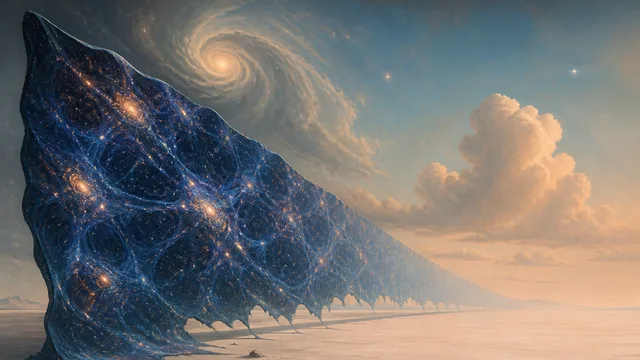
The BOSS Great Wall spans one billion light-years and shouldn't exist—at least not according to gravity alone. Here's what astronomers think is holding it together.
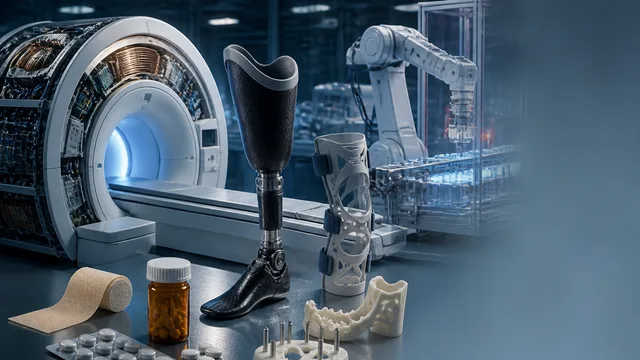
A detailed look at how MRI scanners, prosthetics, surgical templates, pills, and bandages are manufactured—and what the process reveals about modern medicine.
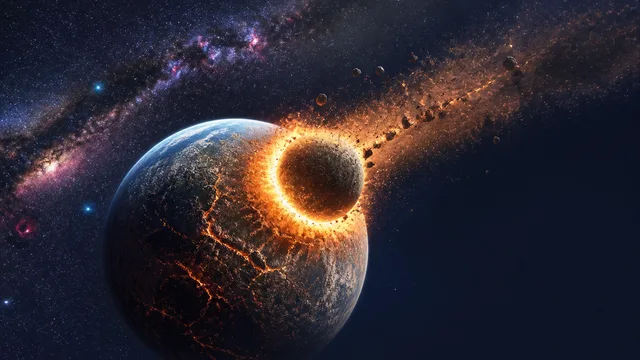
The giant impact hypothesis has dominated lunar science for 40 years. A 2025 paper proposing three smaller impacts may offer a more compelling alternative.
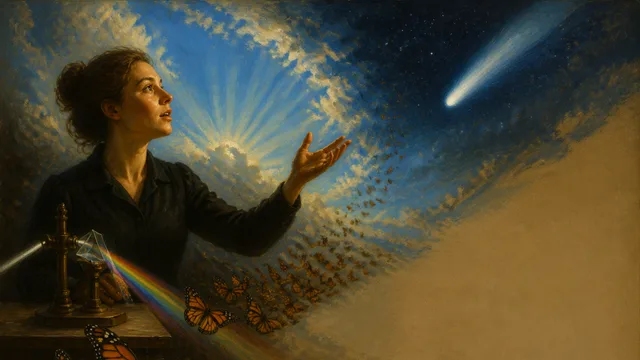
Engineer Lucy Rogers delivers a Royal Institution talk connecting monarch butterfly migration, Tyndall's 1869 light experiment, and Halley's Comet in one sweeping look upward.
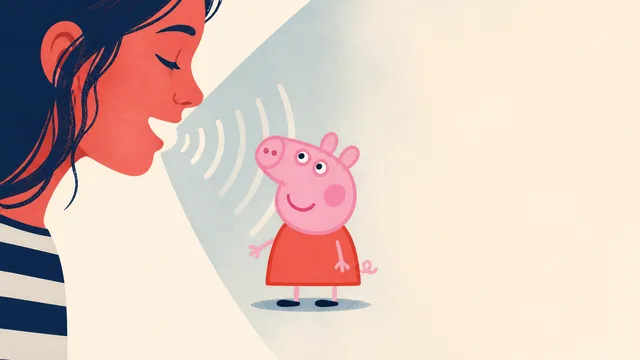
A linguist breaks down why Netflix won't flatten your vowels, what the Peppa Pig effect actually proves, and why teenage girls lead every major sound change.
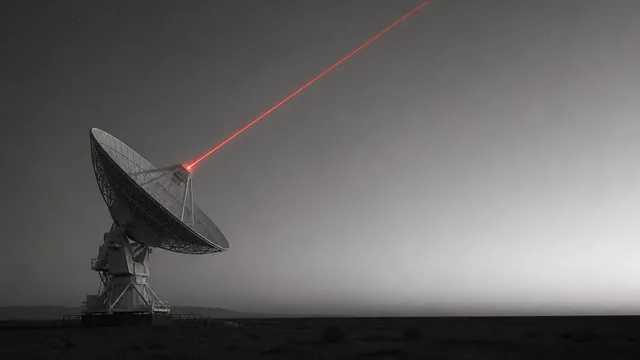
A new paper by Ben Zuckerman argues SETI's radio-first assumptions are obsolete. Here's what a smarter alien search actually looks like in 2025.
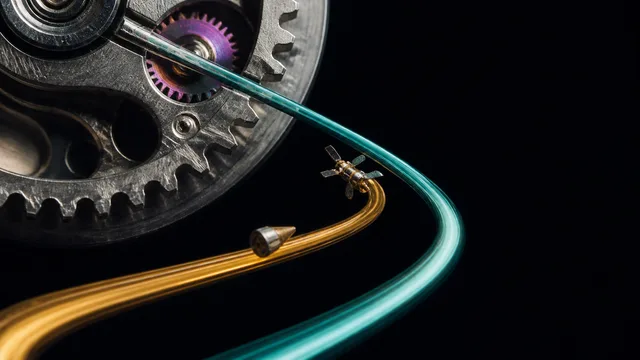
Orbital mechanics rewards the wrong instinct at every turn. A new minutephysics video breaks down two navigation paradoxes that confound even seasoned space enthusiasts.