
Eight-Hour ISS Flight Puts Crew Readiness in Focus
Mei Zhang·2 weeks ago
From quantum mechanics to deep space, neuroscience to climate systems. Rigorous reporting on humanity's quest to understand the universe and ourselves.
Four astronauts reached the ISS in about eight hours. Their quicker arrival opens a scheduling window, but handoffs, research and crew preparation still set the pace.
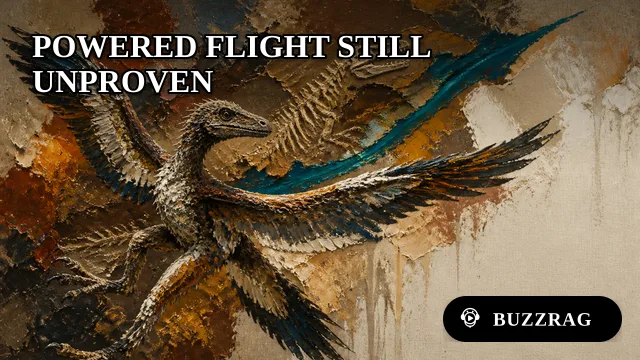
A feathered dinosaur from China adds evidence that bird-like wings took different evolutionary routes. Its bones sharpen the case, but cannot reveal how it flew.
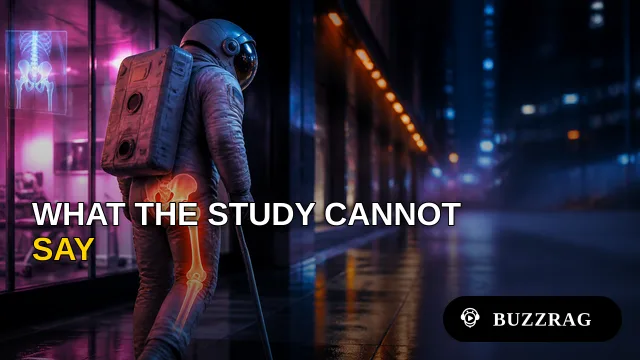
Astronauts who flew more than 90 days showed higher post-flight hip fracture rates. The finding raises questions about bone health, comparisons and long-term care.

Switching wins two times in three in the standard Monty Hall puzzle. A different host rule can change what an offer tells a contestant about the car's location.
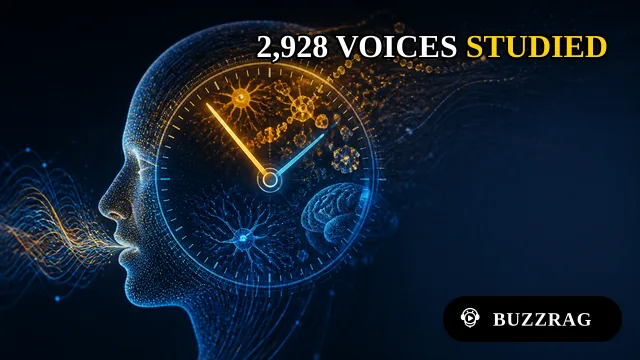
A speech-age model tracked brain, blood and cognitive measures in 2,928 people. Whether its score can forecast dementia remains an unanswered clinical question.
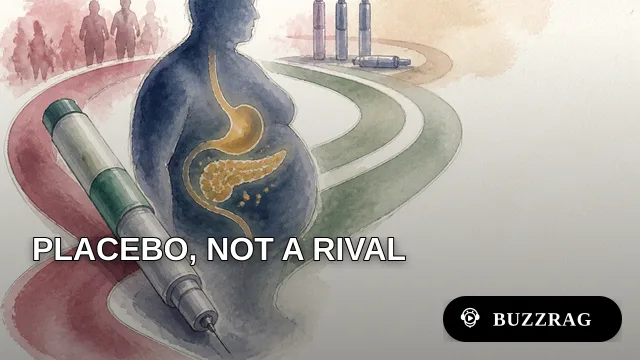
Petrelintide helped participants lose weight in a Phase II trial, but its four-week dose steps and side effects have yet to be tested against GLP-1 medicines.
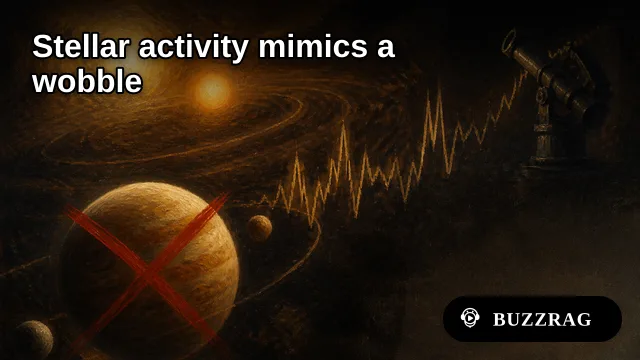
A search of 70 Ophiuchi rules out some giant planets, links a planet-like wobble to stellar activity and leaves smaller worlds possible around the binary.
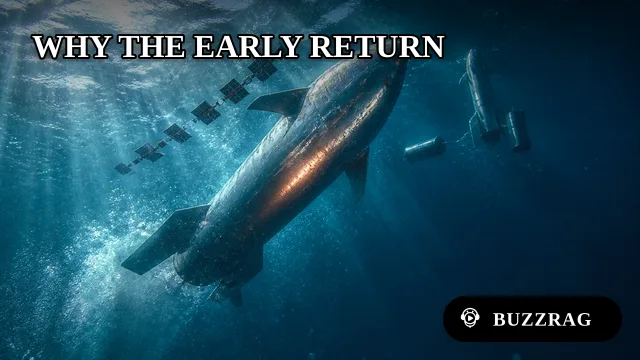
Starship delivered 26 satellites to orbit on Flight 14, then ended its test early. Its result clarifies what remains for reuse and NASA's lunar lander plans.

NASA plans an uncrewed Starliner flight before a 2028 crewed target. The test can check thruster changes, but more repairs and certification remain ahead.
Frequent cannabis users in a small epilepsy study had more convulsive seizures. Here is what the comparison measures, and what remains uncertain for patients.

A hospital study links virtual river scenery and classical music to rapid blood pressure drops, but key design details and lasting benefits remain unclear.
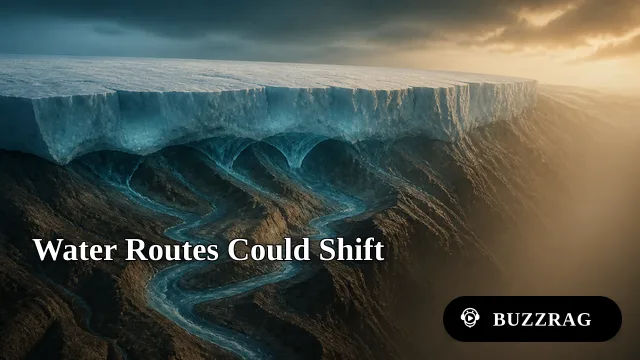
A fuller map links hundreds of valleys beneath Greenland's ice, refining the buried terrain used to model meltwater routes, ice flow and stability over time.
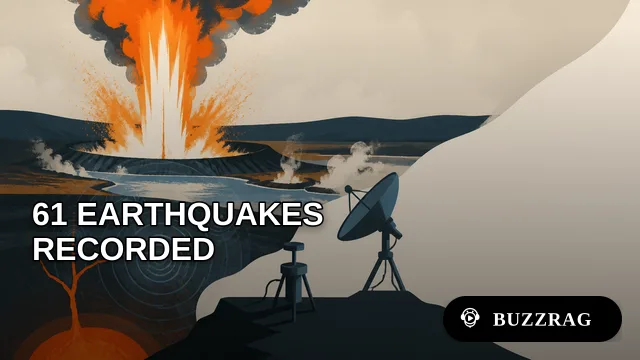
A recent Yellowstone eruption scenario is a thought experiment. USGS monitoring shows normal activity, while past unrest puts warning signs in context.
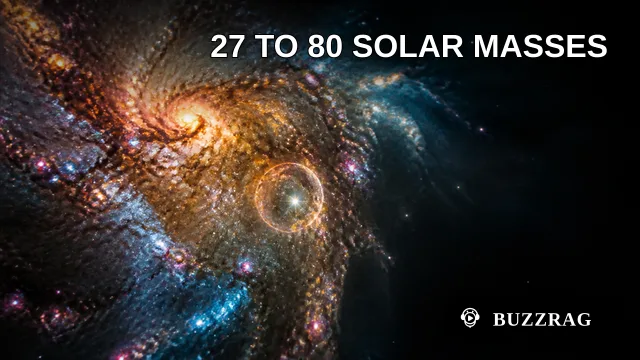
Seven new astrophysics papers show how dust, diffuse gas, weak clusters and imperfect tracers complicate the census of where stars form and fade.
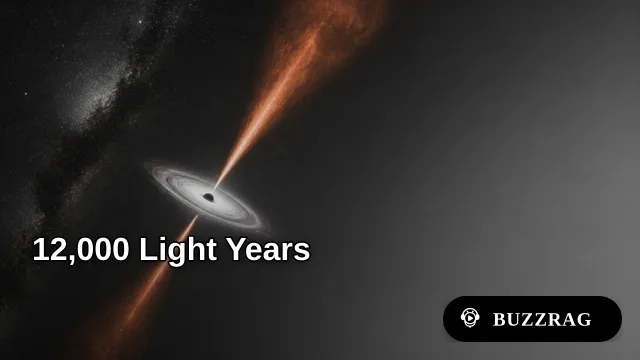
The Milky Way's first reported microblazar offers a close view of twin black hole jets, but its possible PeV particle signal remains unconfirmed for now.
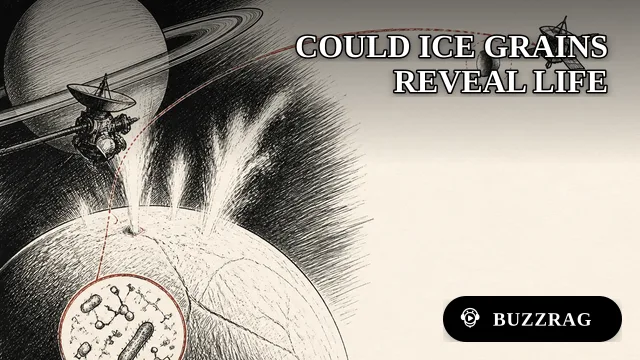
Two new studies suggest Enceladus may support methanogens and concentrate biosignatures, while any dedicated life-search mission remains decades away.

A 2026 analysis finds some epigenetic clocks respond to interventions, but a younger reading does not yet establish longer life, less disease or better health.
Alaska’s rusting rivers carry metals for 60 miles, yet some waters buffer acidity. Research reveals resilience and a widening Arctic climate risk.
A 103-genome, 44-fossil analysis places bat origins in Europe. How the combined method changed the family tree, and what scientists cannot know yet.
NASA is studying tools to reduce airline delays and fuel waste, but deployment will depend on safety, human factors and performance during disruptions at scale.