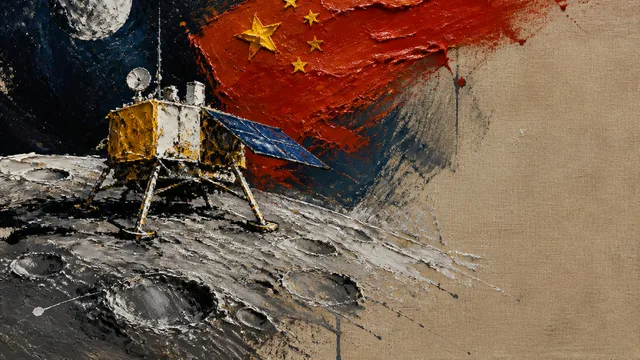
China's Chang'e-7 Moon Mission Delayed Over Launch Conditions
Nadia Marchetti·2 months ago
From quantum mechanics to deep space, neuroscience to climate systems. Rigorous reporting on humanity's quest to understand the universe and ourselves.
China's Chang'e-7 lunar mission won't launch this year. Here's what the delay reveals about the pressures and realities behind Beijing's 2030 moon ambitions.

From traveler's tales to ethnographic fieldwork, anthropology has spent a century learning to ask better questions about human culture. Here's how it got there.
NestyNet-SR uses neural surrogates to extract clean, human-readable equations from messy data. Here's what that means for physics and scientific AI.
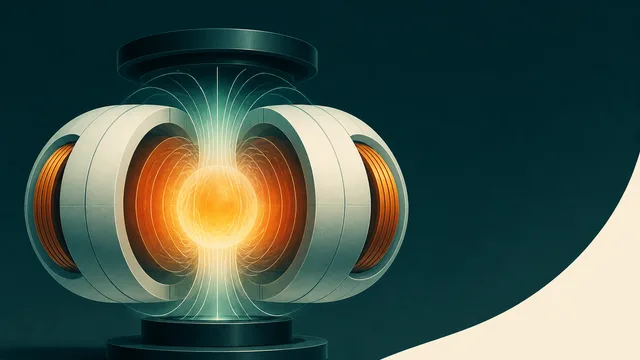
Open Star Technologies is reviving the levitating dipole fusion concept with a novel maintenance-first engineering approach. Here's what makes it different.
The 2012 Higgs boson discovery completed the Standard Model—then immediately complicated it. Here's what physicists actually know, and what keeps them up at night.
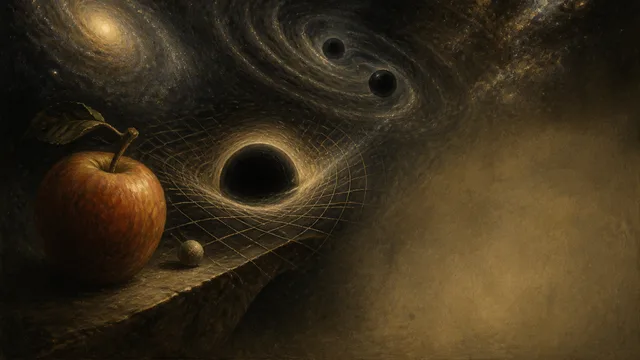
Gravity shapes everything from falling apples to galaxy clusters—yet physicists still can't explain what it fundamentally is. Here's where the science actually stands.
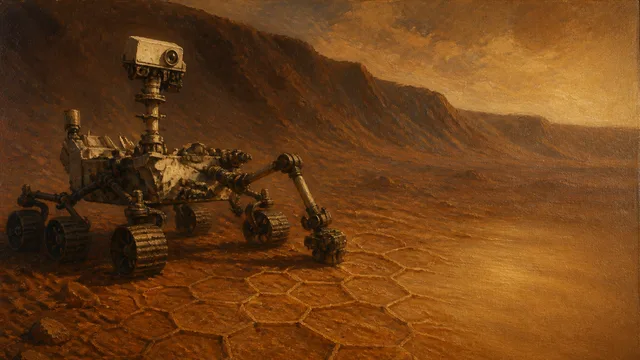
NASA's Curiosity rover found a vast honeycomb polygon field in Mars' Valle Grande—tiny fractures that hint at ancient wet-dry cycles and a very different planet.
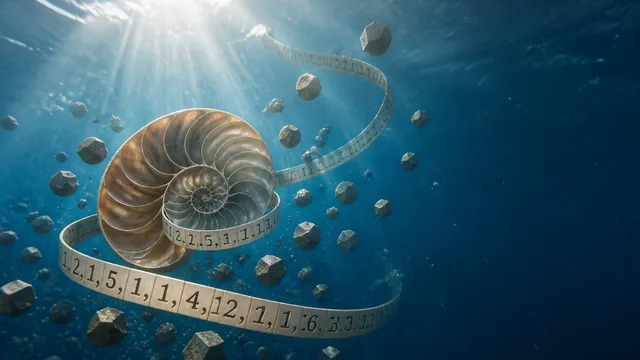
Mathematician Richard Elwes explains Khinchin's constant — 2.685 — a number that emerges from almost every irrational number, yet can't be proven for any specific one.
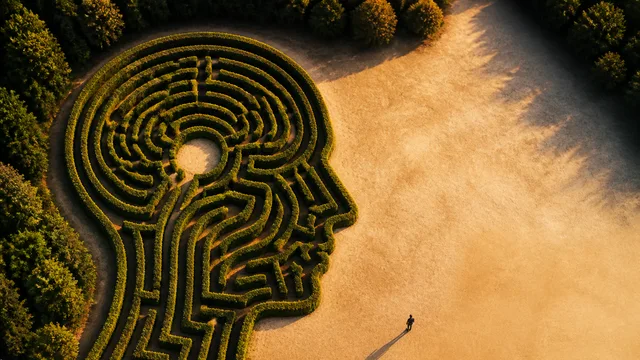
Sam Harris, Roger Penrose, and Sophie Scott debate free will, consciousness, and whether neuroscience should reshape how we assign moral responsibility.
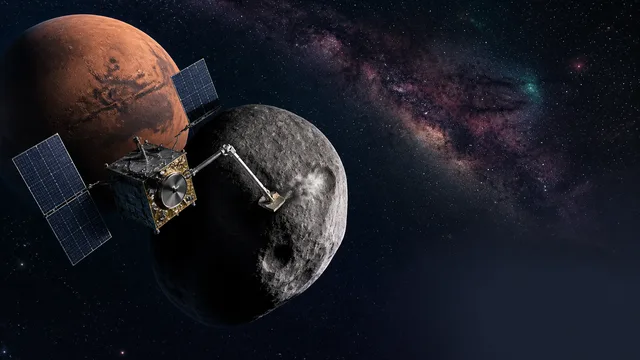
JAXA's MMX spacecraft launches October 19 to collect samples from Phobos. Here's what the mission could actually tell us—and what's still genuinely uncertain.
The White House's new National Space Transportation Policy targets over 1,000 rocket launches per year by 2030. Here's what the ambition actually requires.
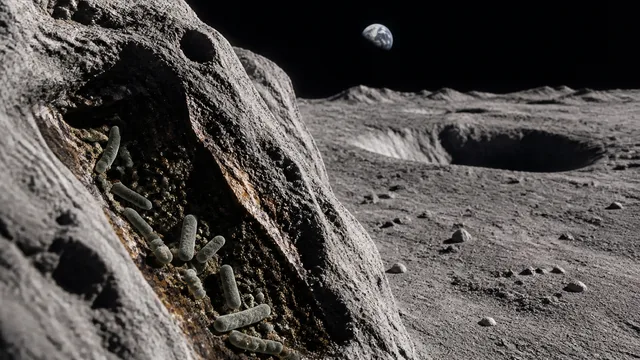
NASA research finds common Earth microbes could survive in shadowed lunar south pole regions—raising urgent questions about contamination and planetary protection.
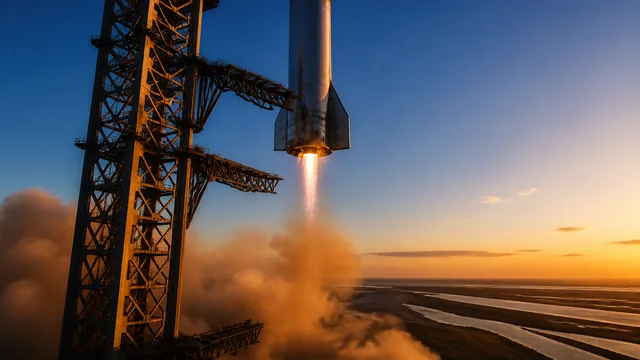
SpaceX plans to catch the Starship upper stage with its launch tower arms for the first time. Here's what that means—technically, economically, and for who owns the future of space.
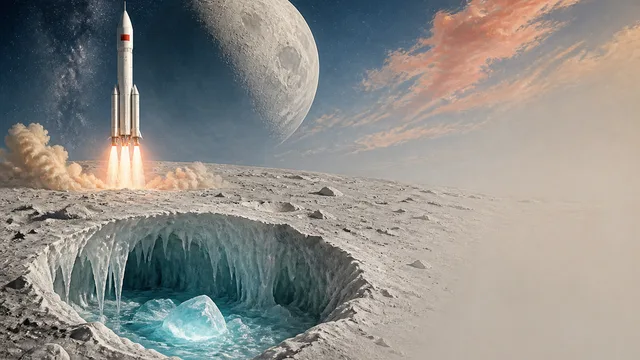
China's Chang'e 7 launches August 24 to hunt for water ice at the lunar south pole — a mission that could reshape the future of human spaceflight.
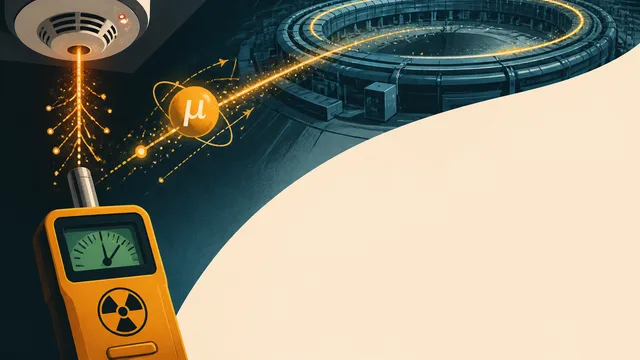
From alpha decay in smoke detectors to muons defying classical physics, Brian Keating explains what a Geiger counter is actually listening to.
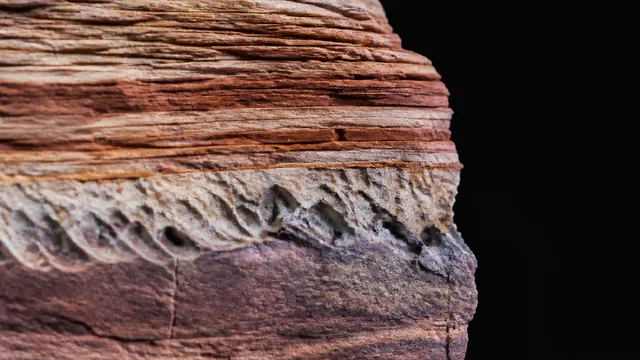
The Grand Canyon holds one of Earth's best geological records—and one of its most puzzling gaps. Here's what geologists know about the missing billion years.
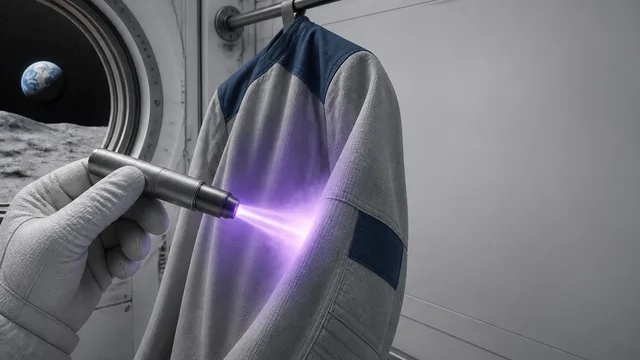
A pen-sized plasma gun developed at UAH with NASA could sanitize astronaut clothing without water—a potential breakthrough for long-duration space missions to the Moon and Mars.
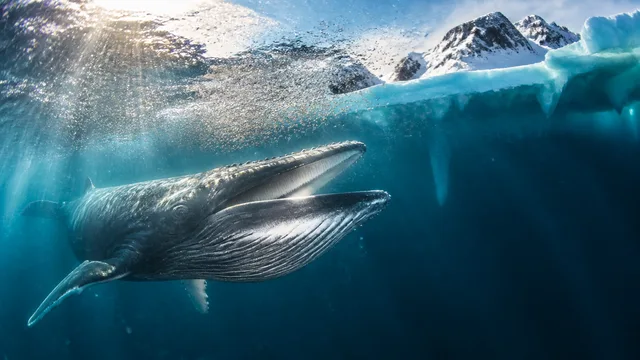
As Arctic sea ice retreats, baleen whales are staging seasonal feeding frenzies off East Greenland—signaling a profound marine ecosystem shift.
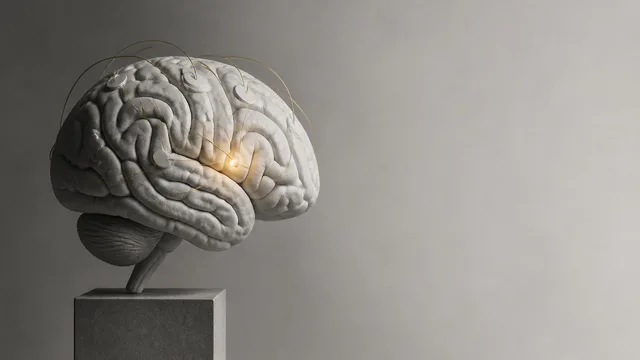
Duke researcher Kafui Dzirasa is building an electrical map of the brain to find new treatments for schizophrenia and depression—beyond dopamine and serotonin.
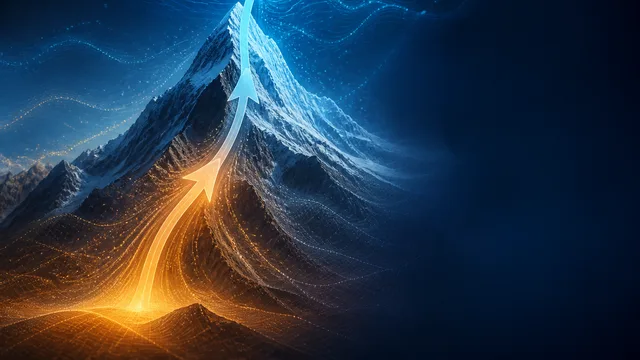
Hot air rises — so why are mountaintops freezing? The answer lies in adiabatic cooling, pressure, and what temperature actually means at altitude.