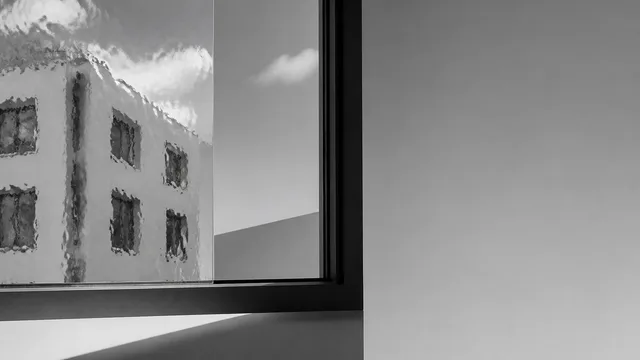
Why Wavy Windows Distort Reflections But Not Your View
Priya Sharma·2 months ago
From quantum mechanics to deep space, neuroscience to climate systems. Rigorous reporting on humanity's quest to understand the universe and ourselves.
Wavy glass warps reflections while leaving your view through the window clear. The physics behind this everyday paradox is more elegant than you'd expect.
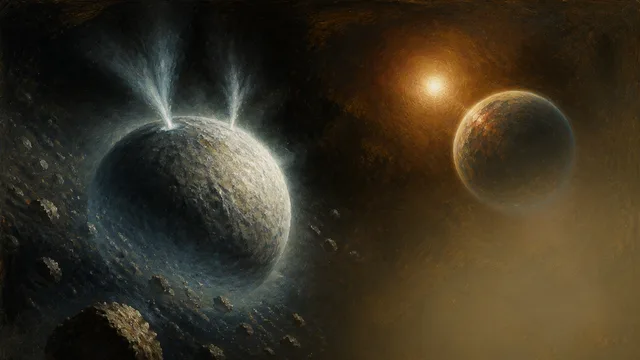
A Kuiper Belt rock and a distant rocky exoplanet both carry atmospheres that shouldn't exist. What these discoveries reveal about planetary science.
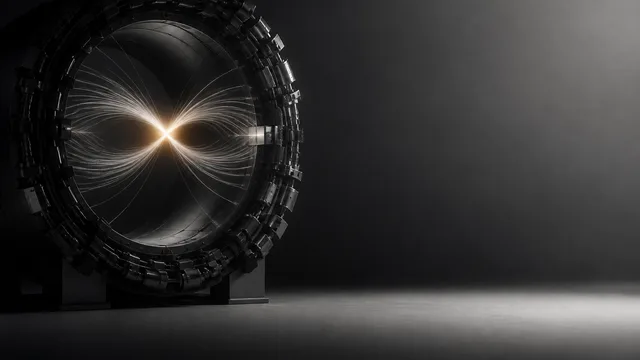
Princeton's new FLARE facility is the world's most powerful device for studying magnetic reconnection — the physics behind solar flares, aurora, and fusion energy.
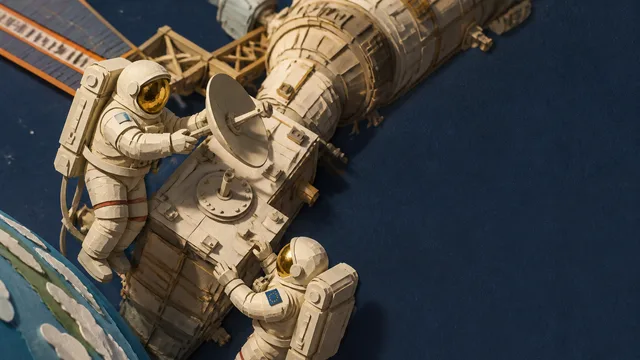
Menon and Adenot spent 6 hours outside the ISS and still couldn't finish the job. The real story is what that says about a 25-year-old station we can't yet replace.
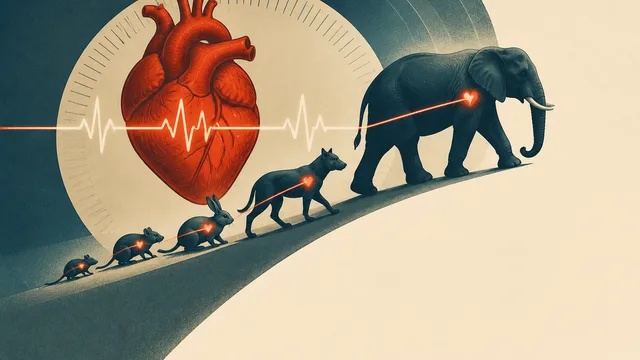
From shrews to elephants, nearly every mammal gets about one billion heartbeats. Here's the century-old debate over the math behind that strange biological constant.
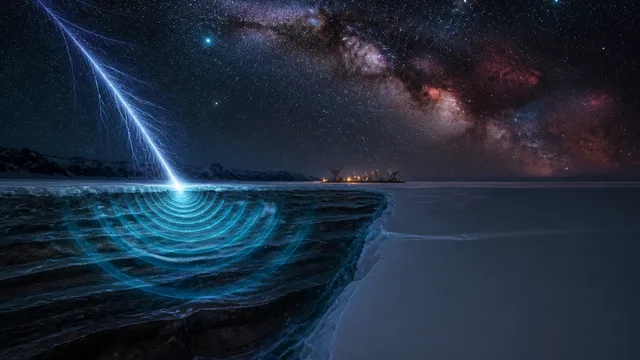
A new spherical-wave forward model for radio reflection in stratified media could sharpen cosmic particle detection—here's what that means and why it matters.
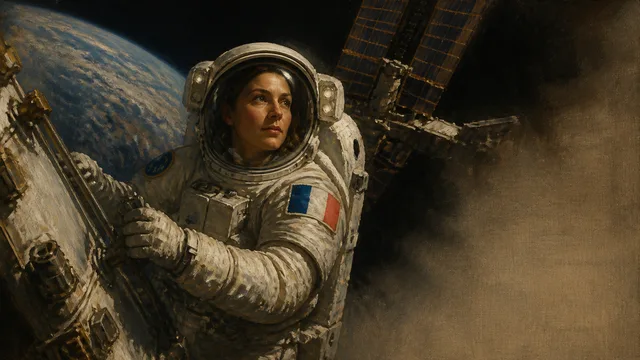
ESA astronaut Sophie Adenot became the first French woman to conduct a spacewalk on Aug. 18, 2026. Here's what that actually means—and why it matters.

Neuropsychologist Mark Solms argues Freud got the big picture right. Here's what the neuroscience of the unconscious mind actually shows.

IBM researcher Minh Tran reframes quantum advantage as a trust-building exercise, not a finish line. Here's what that means for the field's credibility.
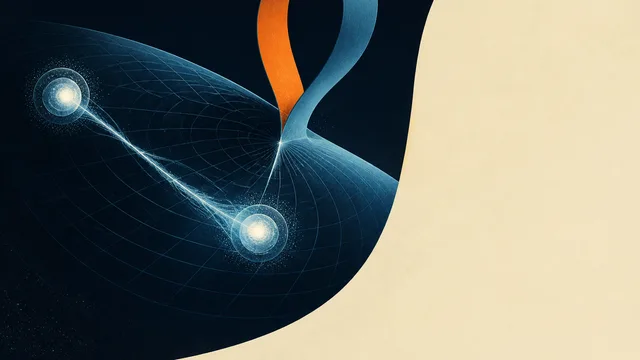
A physicist's new paper proposes that two dimensions of time—not one—could explain quantum entanglement and faster-than-light updates. Here's what the math actually claims.

From monarch butterflies choosing medicinal milkweed to cats coating themselves in mosquito repellent, animal self-medication is reshaping how we think about medicine.
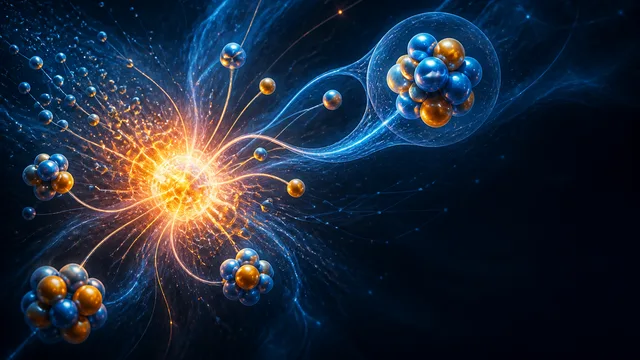
Big Bang nucleosynthesis predicts 3–4x more lithium-7 than astronomers observe. A new arXiv preprint revisits beryllium-7 decay rates to find out why.
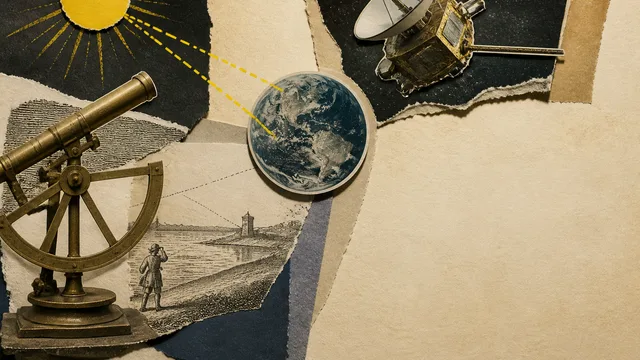
From 17th-century expeditions to radar and spacecraft, the story of measuring the astronomical unit is a masterclass in scientific audacity and precision.
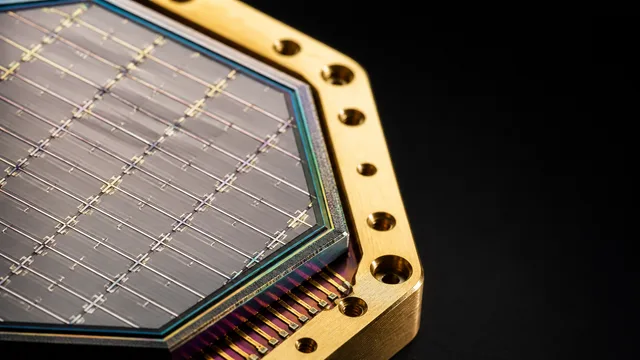
CCAT's new two-octave KID readout system handles up to 8,192 detectors across four RF networks, reshaping what submillimeter astronomy can see.
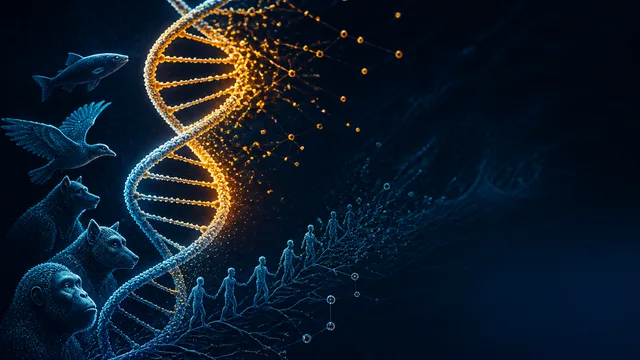
Veritasium's deep dive into the selfish gene theory reframes evolution around genes, not individuals. Here's what the science actually says—and where it gets complicated.
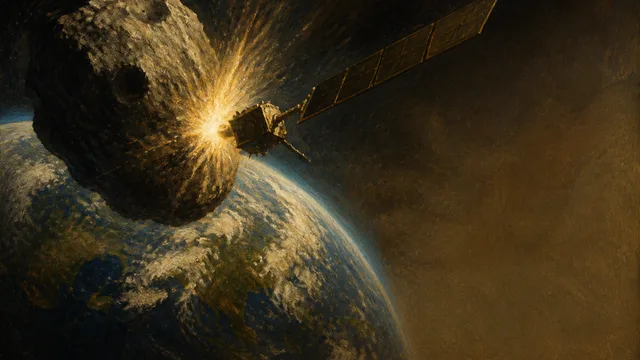
From detecting unseen threats to slamming spacecraft into space rocks, here's what humanity's real planetary defense infrastructure looks like.

Cooking didn't just change what ancient humans ate — it reshaped their biology, faces, brains, and social lives. Here's what the science actually shows.

Birds cross oceans without GPS using sun, stars, magnetic fields, smell, and memory. Here's what the science actually confirms—and where it's still open.
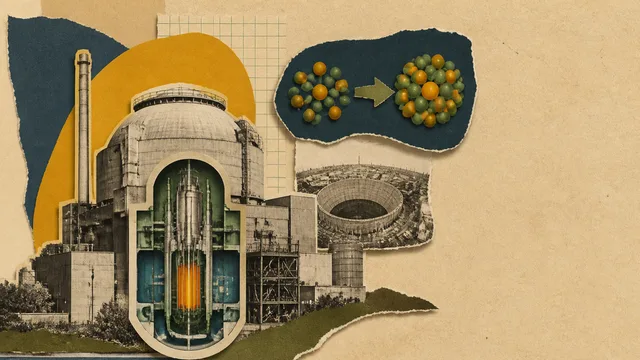
India's PFBR at Kalpakkam achieved criticality on April 6, 2026—16 years late and over budget. Here's what the engineering actually does, and what comes next.
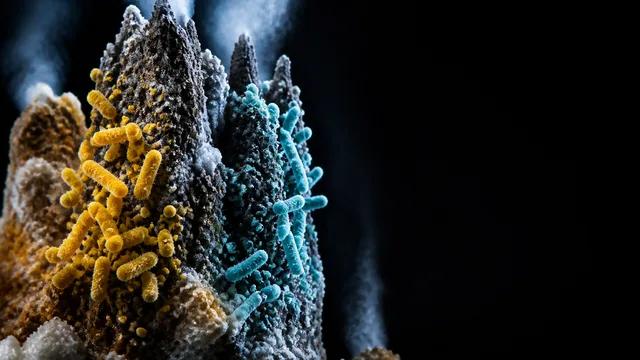
A new study from German researchers suggests life had two independent origins. Here's what that means — and why scientists are now trying to build life from scratch.