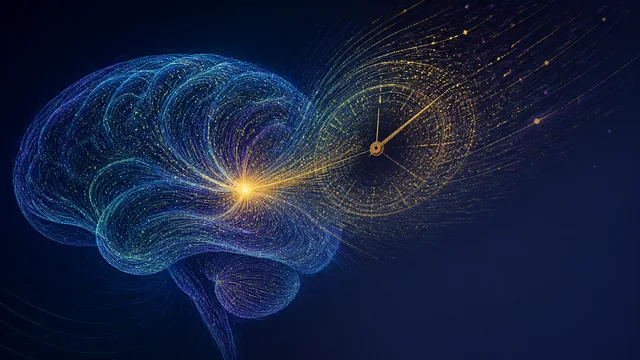
How the Brain Perceives and Distorts Time
Priya Sharma·2 months ago
From quantum mechanics to deep space, neuroscience to climate systems. Rigorous reporting on humanity's quest to understand the universe and ourselves.
Neuroscientist David Eagleman explains why time warps in emergencies, why childhood summers felt endless, and what all of it reveals about consciousness.
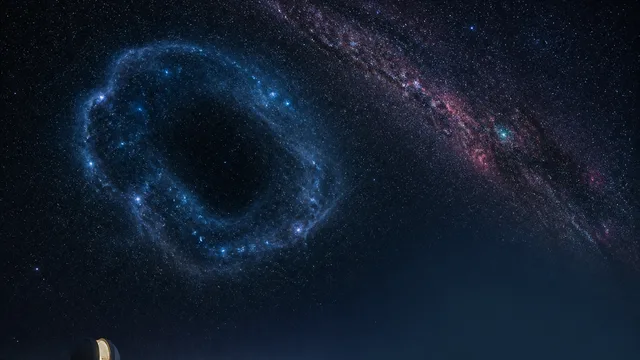
Astronomers are investigating a potential starless galaxy, a dark matter-rich structure with no stars. Here's what it could mean for how galaxies form.
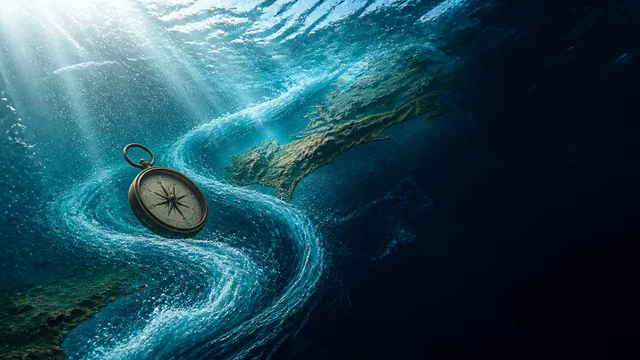
From Ponce de León's journals to modern oceanography, the Gulf Stream has shaped history—and its potential weakening could reshape the world.
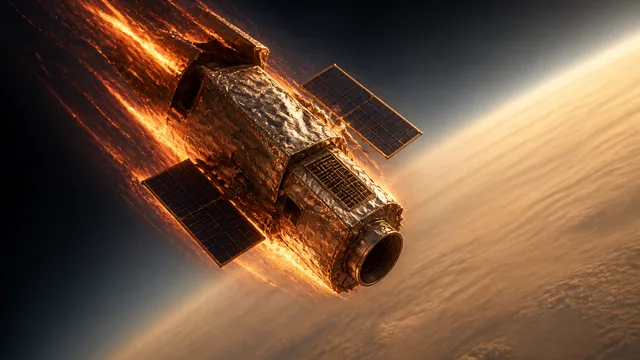
NASA's Swift telescope will reenter Earth's atmosphere uncontrolled after a private rescue mission failed. Here's what it reveals about how we design—and don't design—for endings.
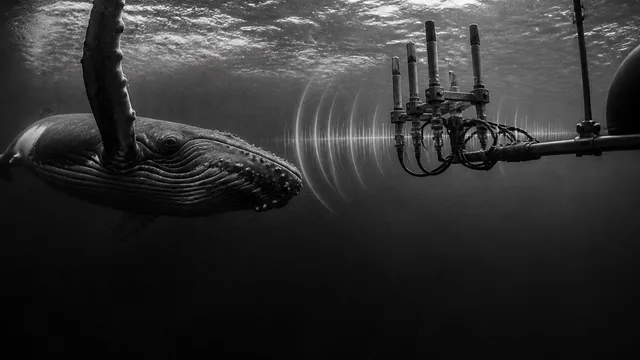
A Royal Institution talk with Helen Czerski and Philip Ball asks whether underwater sound and the musical scale we use are governed by physics or cultural habit.
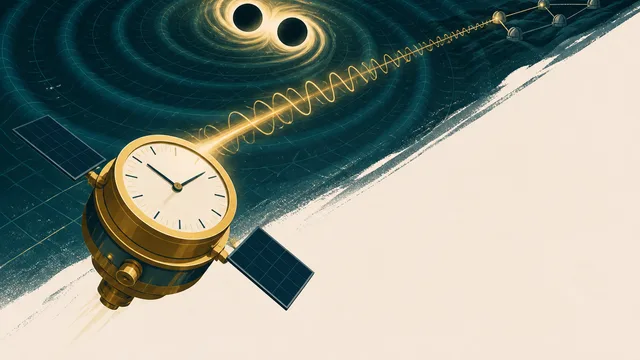
Space-based optical clock networks could unlock the millihertz band, opening a new chapter in gravitational-wave astronomy beyond what LIGO and Virgo can reach.
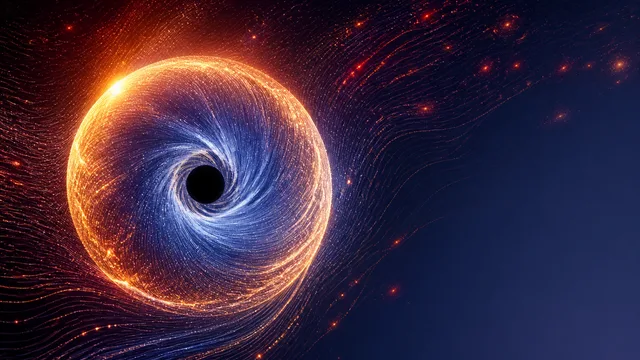
JWST has spotted a strange object—part black hole, part star—that may explain why supermassive black holes existed so soon after the Big Bang.
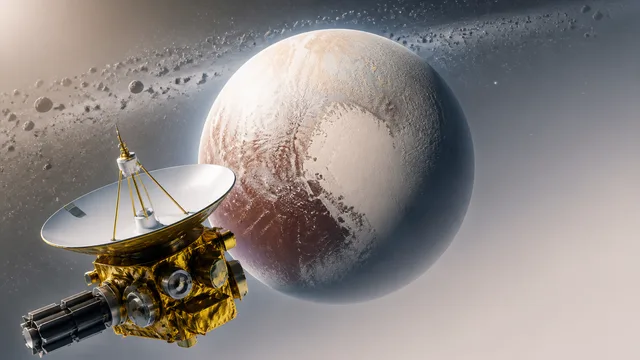
NOVA's 'Chasing Pluto' documents the New Horizons mission's nine-year, 3-billion-mile trek to reveal Pluto's surface for the first time.
The 2,000-mile gap between Luanda and Cape Town is no accident. Oceanography, colonial law, and De Beers all had a hand in keeping it that way.
Stanford's Stephen Quake helped make genome sequencing affordable, replaced amniocentesis, and now wants AI to build virtual cells. Here's what that means for medicine.
Used motor oil isn't dead—it's dirty. Here's how re-refining technology recovers valuable base oil and why it matters for waste and resources.
Alpine glaciers may surpass the catastrophic 2022 melt record this summer. Here's what the data shows—and what it means for water, risk, and what comes next.
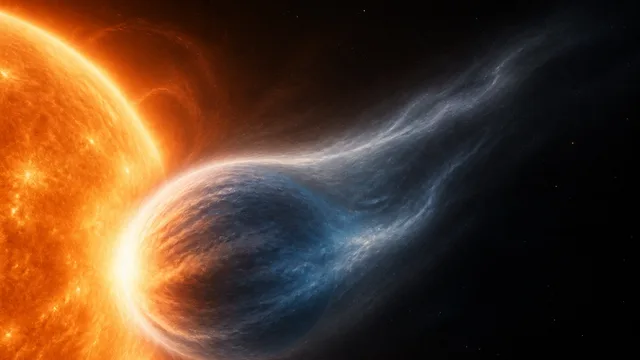
Astronomers have found a hot, water-rich exoplanet spiraling toward its star. Here's what its slow destruction reveals about planetary life cycles.
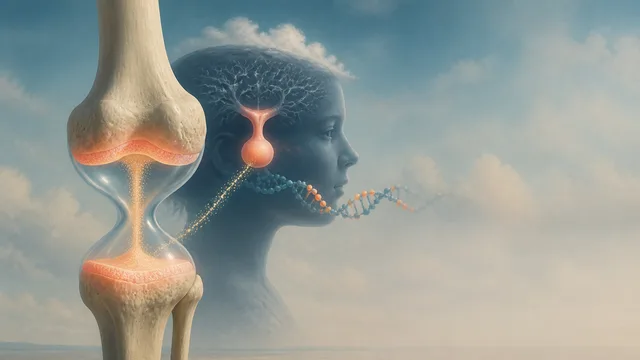
From growth plates to Hox genes, the biology that stops your bones from growing is ancient, precise — and raises questions medicine is only starting to ask.
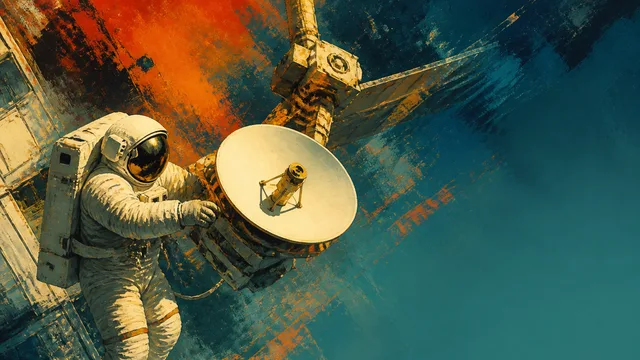
NASA's Anil Menon and ESA's Sophie Adenot completed a two-part spacewalk operation to replace a failed Ku-band antenna on the ISS, restoring full communication redundancy.
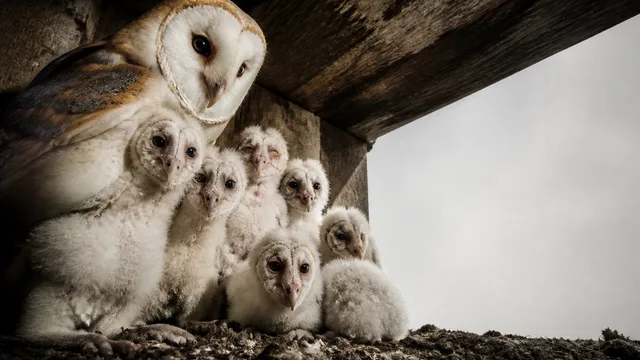
Two barn owl pairs reared ten chicks at undisclosed Fermanagh sites this summer—an above-average brood that signals real progress in Northern Ireland conservation.
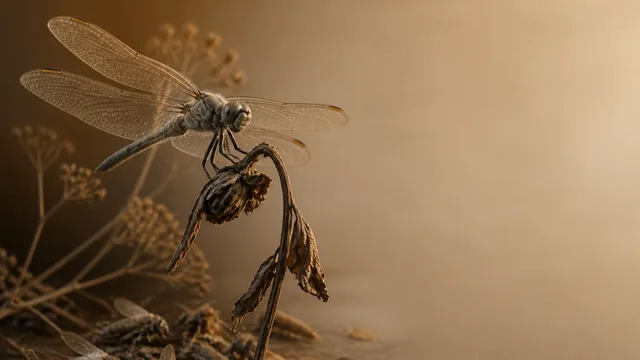
Entomologist Jessica Ware joins StarTalk to explain insect evolution, the decline of insect populations, and what happens when humans try to outsmart them.
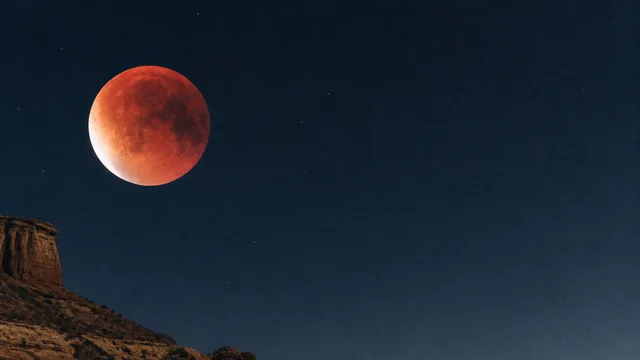
A 96% partial lunar eclipse turns the moon deep red on Aug. 27-28. Here's when to watch, why it happens, and what's threatening our view of it.
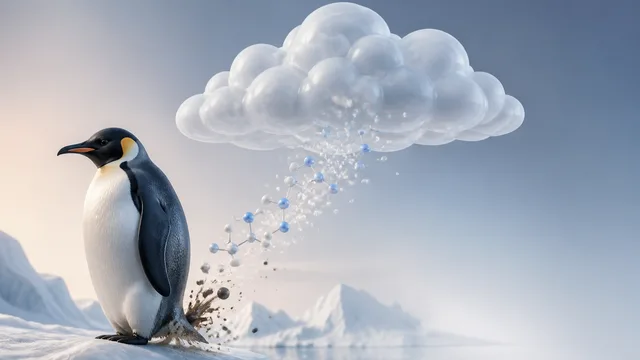
New research reveals penguin colonies release ammonia that seeds cloud formation over Antarctica—a feedback loop with real consequences for the continent's climate future.
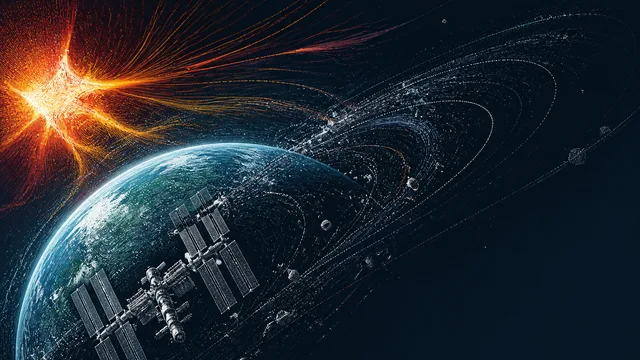
From orbital debris to solar flares and the psychology of deep-space confinement, a rigorous look at what actually threatens human spaceflight.