
Music Shapes Your Daydreams More Than You Know
Samir Patel·6 months ago
From quantum mechanics to deep space, neuroscience to climate systems. Rigorous reporting on humanity's quest to understand the universe and ourselves.
Princeton researcher Elizabeth Margulis explains how music hijacks your spontaneous thoughts—and what that means for your mental and emotional life.
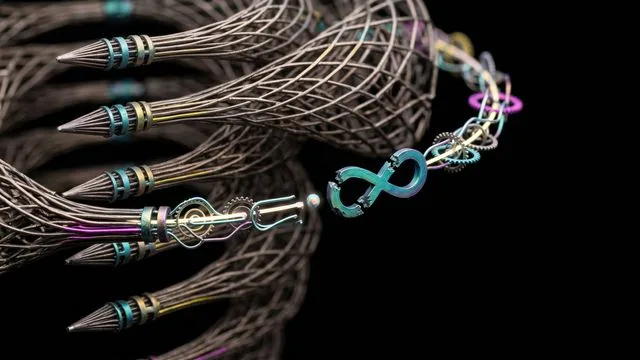
Physicist George Ellis argues Roger Penrose's conformal cyclic cosmology has a fatal flaw: infinity isn't a large number, it's unreachable—and that changes everything.

Game developer and MIT scientist Rizwan Virk argues quantum physics, mysticism, and video game design all point to the same unsettling conclusion about reality.
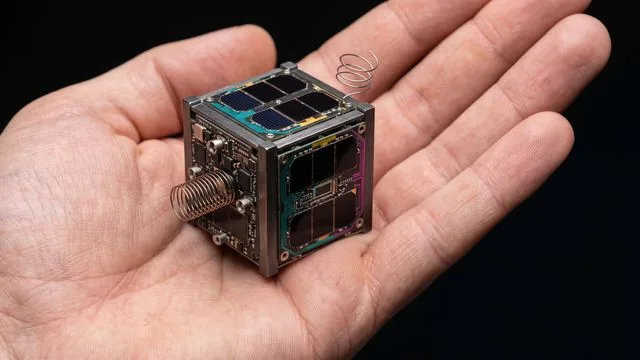
Satellites small enough to hold in your hand can now image Earth at 6–12m resolution. But who controls the data—and who bears the cost of what orbits above us?
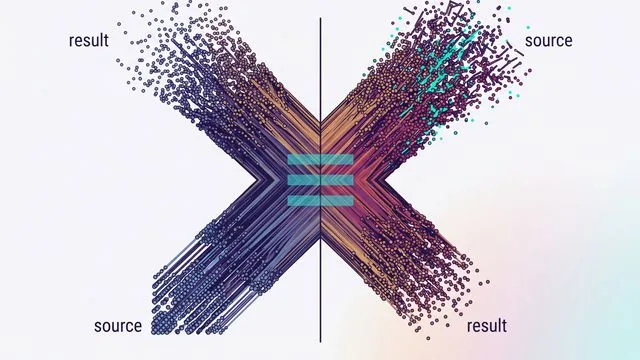
Physicist Sean Carroll explains why the laws of physics are time-symmetric — and why that has more to say about regret and urgency than you'd expect.

A children's counting game hides a degree-71 polynomial. What John Conway's slow, patient method reveals about how real insight actually works.
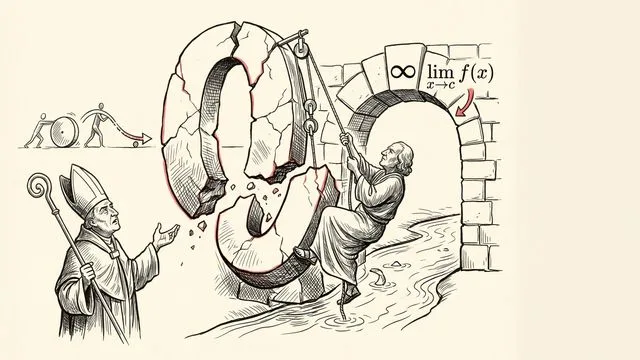
For 150 years, calculus worked perfectly on broken logic. Here's the fascinating story of how mathematicians finally fixed it—and what a bishop had to do with it.
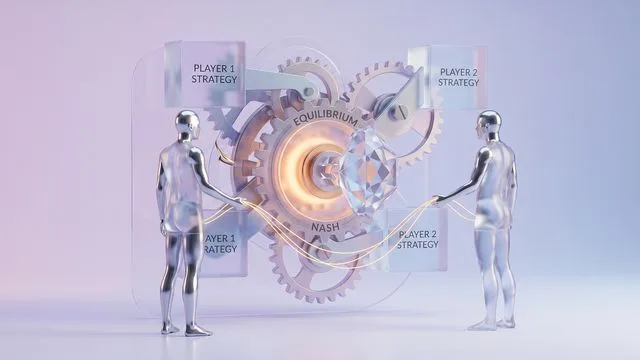
MIT's Ian Ball breaks down Nash equilibrium—why being "rational" isn't enough, and what it really means when no one can gain by going it alone.

Game theory says you should betray. Your nervous system says otherwise. What MIT's Prisoner's Dilemma reveals about trust, relationships, and being human.
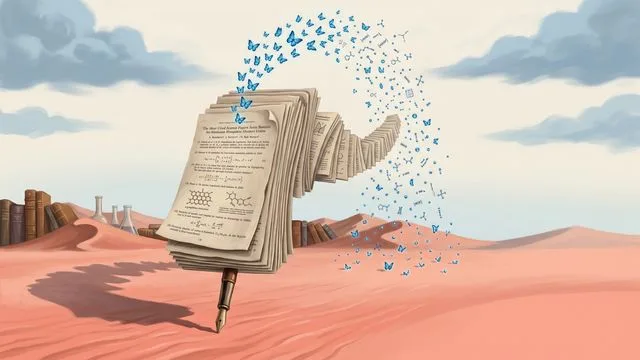
From graphene to a 1951 chemistry trick, the most cited scientific papers ever aren't what you'd expect—and that tells us something important about how science actually works.
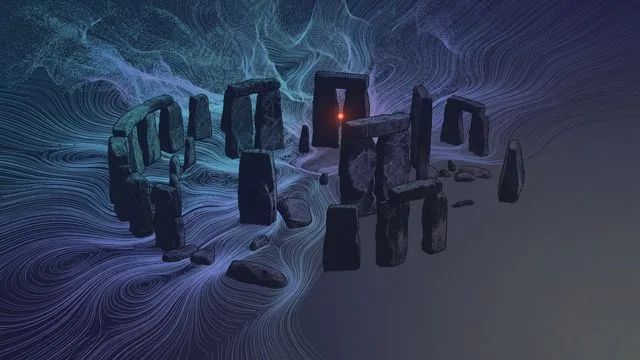
Archaeologists know how Stonehenge was built—barely. Why it was built remains genuinely, stubbornly unknown. Here's what the evidence actually says.
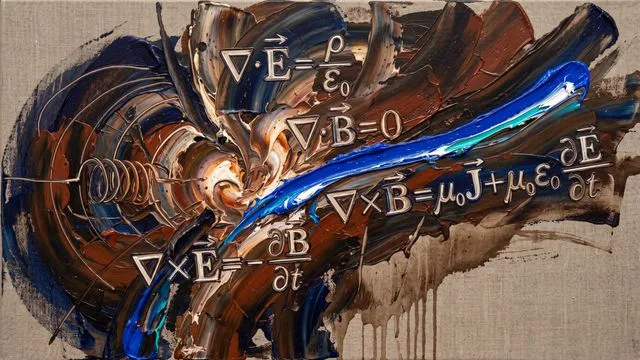
Faraday discovered the laws of electromagnetism with no formal training. Maxwell had to translate his truth into math before anyone believed it. Sound familiar?

In WWII, the U.S. military spent $2 million strapping incendiary bombs to bats. The plan was absurd. It was also, frustratingly, not entirely wrong.
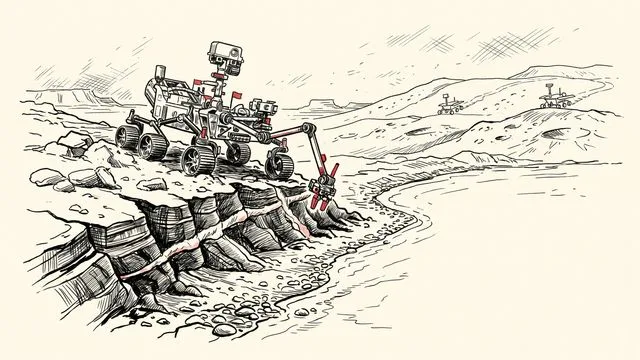
Three Mars rovers have built a compelling case that the Red Planet once held oceans, rivers, and neutral-pH water. Here's what the evidence actually shows.
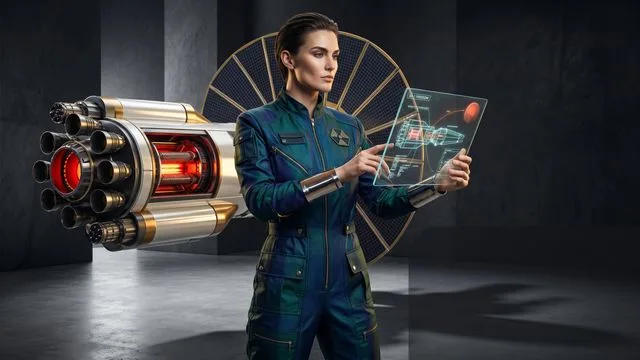
NASA approved SR-1 Freedom, a nuclear electric spacecraft targeting a 2028 launch. Here's what the mission actually tests—and what it doesn't solve.

JWST is finding galaxies too big, too bright, and too early. From dark stars to interstellar comets, here's what the data is actually telling us.

Casimir Inc claims its microchip harvests unlimited energy from the quantum vacuum. The physics says otherwise—and $12 million is riding on that gap.

Is math just a bag of tricks, or is there a deeper way to think? The Gauss problem reveals a fascinating argument for building genuine mathematical intuition.
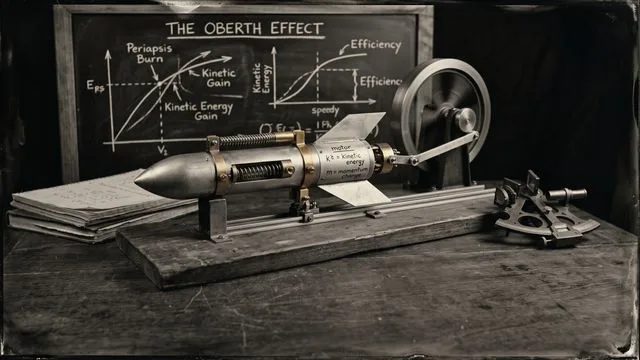
A spring-loaded rocket and some careful bookkeeping reveal why firing engines at high speed produces far more energy—and why it matters for reaching the stars.
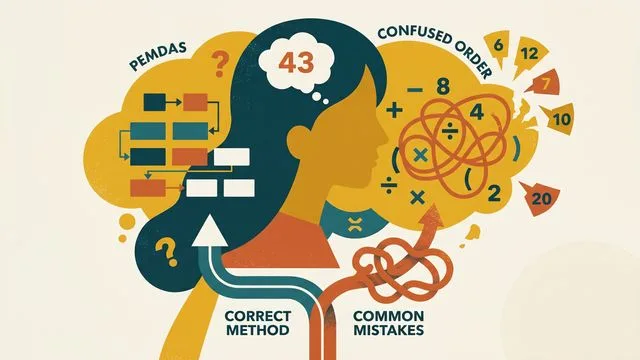
Sandra's age puzzle went viral with 3.8M views—and most people got it wrong. Here's what the disagreement actually reveals about math education.