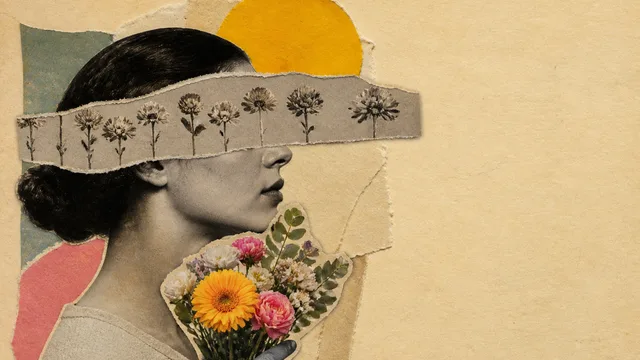
Why We Stop Seeing the Good Things We Already Have
Marcus Obi·1 month ago
Personal development, health, wellness, and the art of living well. Evidence-based approaches to productivity, learning, and becoming who you want to be.
Habituation makes familiar good things invisible until they're gone. Here's what the research says about how attention can interrupt the fade, and its limits.

Copper peptides like GHK-Cu have gone from niche serums to celebrity injections. Here's what the science supports, what it doesn't, and where the risks start.

Wendell Berry, the Kentucky farmer-writer who championed a slower, rooted life, has died at 92. What his philosophy of depth over speed offers tired parents now.

A family-systems look at homeschooling: evidence limits, curriculum marketing, services law, and the movement question most checklists forget to ask.
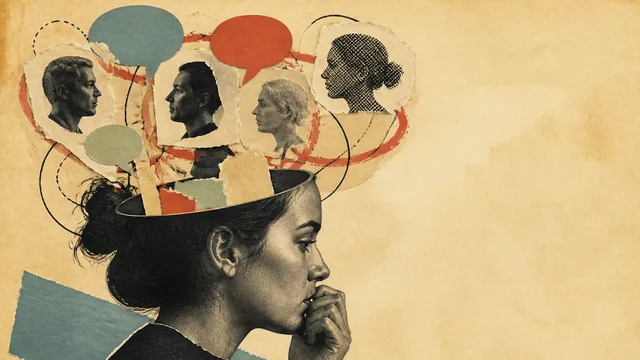
A viral video reframes conversation replaying as rare intelligence. The research on rumination and social anxiety says something more complicated.

A five-step method for presentation anxiety is everywhere. Marcus Obi sorts the evidence from the marketing, and shares his own worst speaking moment.

A Proton Mail privacy guide shows that aliases, encryption and filters help only with setup. What these tools fix, what they leave exposed, and where setup fails.
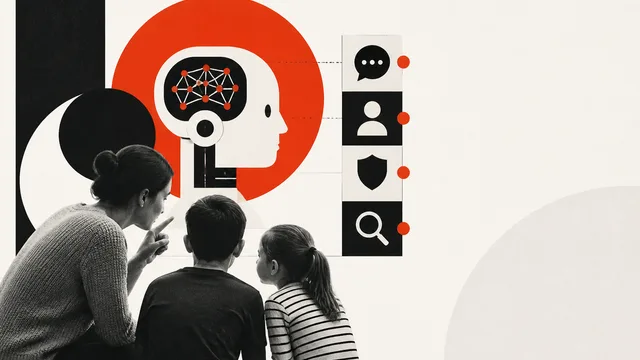
A Psychology Today column argues kids need rules for AI: privacy, verification, disclosure, and asking an adult. Here is how that holds up for real households.

Social Care Wales says every word matters in dementia care. Here is how person-centered language is reshaping practice, and where the debate still runs.

From GRAS loopholes to food dye research, here's what the science says about chemicals in children's snacks and what regulatory gaps mean for families.
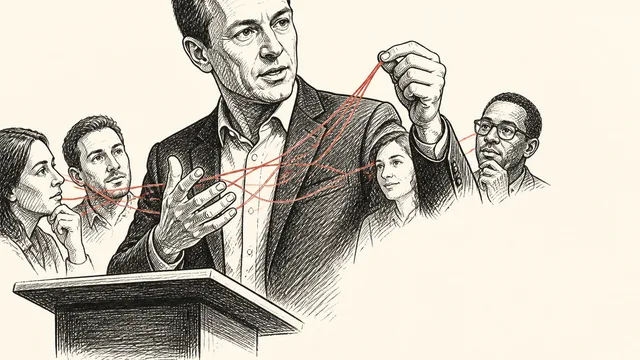
BBC's Ros Atkins explains how to strip out obstacles to understanding, build effective strands, and make communication feel personal to your audience.

The back-to-school buzz doesn't belong only to students. Here's how five deliberate rituals can reset your focus and motivation every September.

Narcissistic supply drives NPD behavior in workplaces and relationships. Here is what the psychology research actually says about the cycle and how to navigate it.
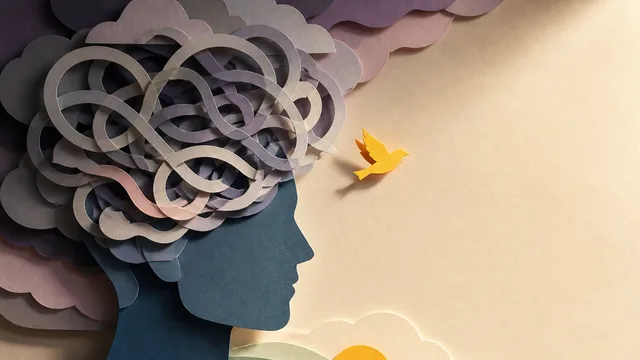
Psychologists split overthinking into rumination and worry. A recent video breaks down the neuroscience and offers three CBT-based tools worth trying.

Researcher Itamar Shatz argues procrastination has evolutionary roots. Here's what the science says and which strategies actually help.
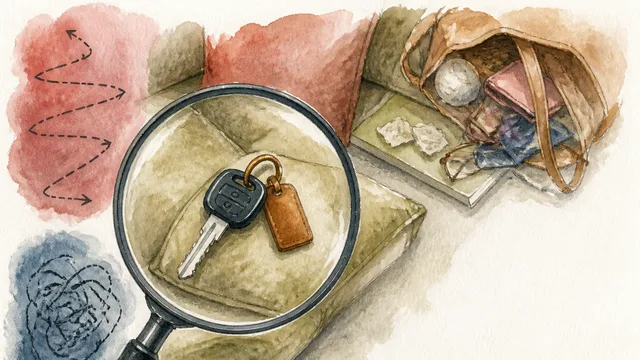
Visual search experts, detectives, and cognitive science all point the same direction: finding lost items is about method, not effort. Here's what actually works.

A new video from The Art of Improvement argues that the habits worth keeping are smaller than you think. Here's what holds up, and where it gets complicated.
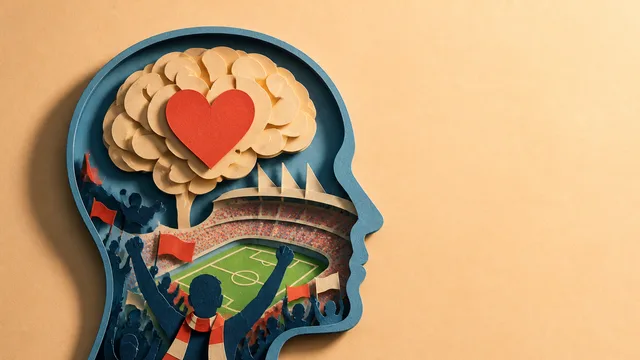
What drives intense sports fandom? Research on identity, belonging, dopamine, and grief explains why devotion to a team runs far deeper than a game.

Meditation's benefits are real, but so is the confusion around it. Here's what the evidence says about how it works, who it helps, and what it can't fix.
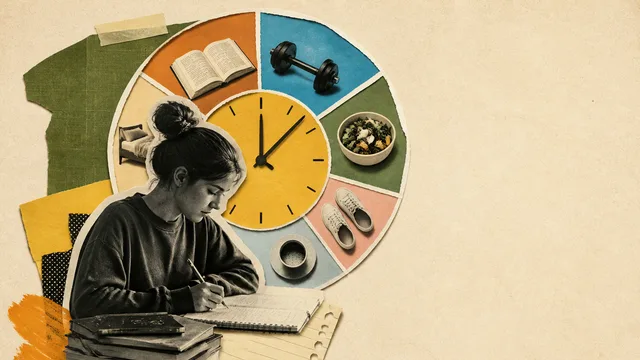
A new video from Simple, Actually lays out a brain-aligned daily routine for students—one built on consistency over intensity. Here's what holds up and what's worth questioning.