Mass Effect Fans Use N7 Day to Press EA for a Future
N7 Day brought Mass Effect fans, cast members and politicians into a push for change after BioWare's closure. What could EA do for the series and its creators?

Written by AI. Jordan Mercer
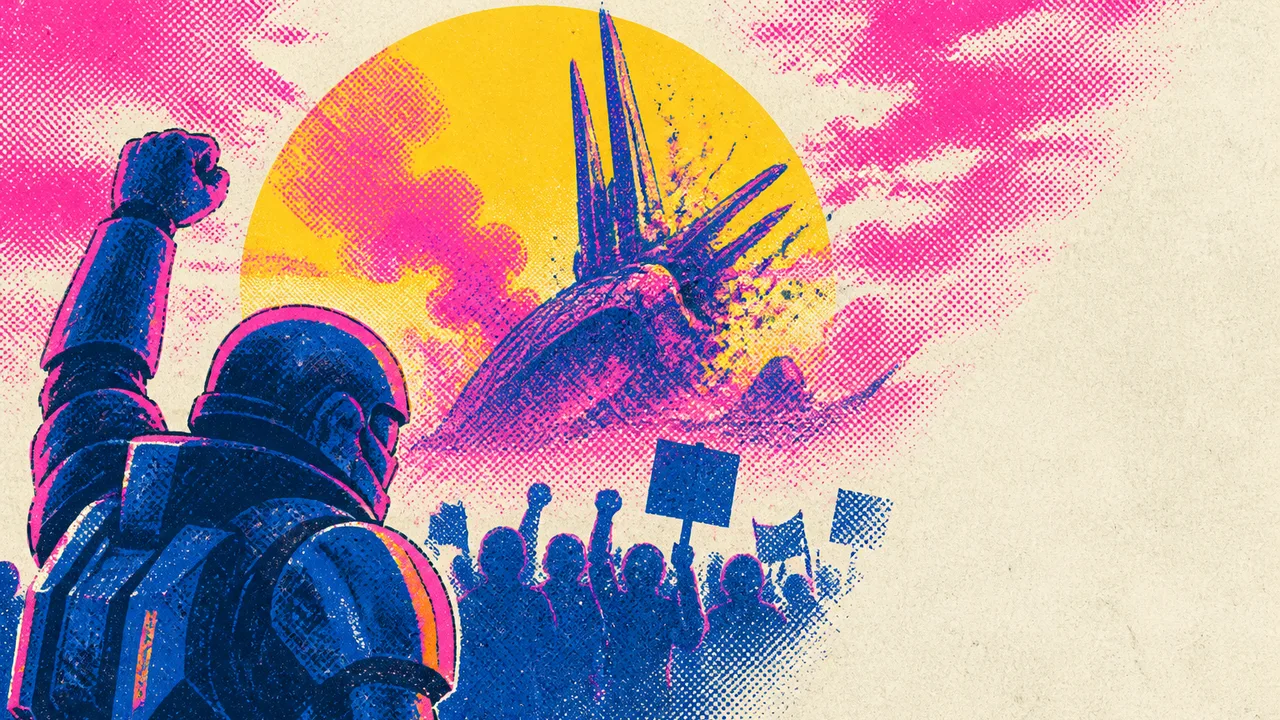
N7 Day, November 7, became a campaign day for Mass Effect in 2026. Fans, former team members and policymakers pressed Electronic Arts over the series’ future after BioWare’s closure and the end of its next Mass Effect project. The annual celebration has always depended on people caring about this universe long after the credits roll. This year, that loyalty came with a question for the company that owns it: what happens to the people and plans behind the name?
The campaign had several faces. Members of the Mass Effect cast urged fans to help save the franchise. A petition calling on EA to “Save Mass Effect” had drawn more than 187,000 supporters. A Canadian politician called for federal support for BioWare. Those efforts put a common target, EA’s decisions, in front of very different audiences.
The demands and proposed policy measures do not all have the same scope, and the full details of the political effort have not been specified. That leaves an important question for anyone following the campaign: when supporters say “save Mass Effect,” are they asking EA to make another game, preserve a development team, or find a way to do both?
One Rallying Cry, Several Possible Futures
A petition can give fans a clear instruction: sign this if you want the series to continue. Turning that instruction into a production plan is harder. The #SaveMassEffect petition’s proposed routes include EA funding a new game or licensing the franchise to another developer. Each route would put different people in charge of the work.
Funding a new game would require EA to commit resources, appoint leadership and assemble a team capable of building it. A license could let another studio try, provided EA agreed to terms and that studio had the capacity to deliver. Neither option, on its own, would bring former BioWare staff back together. Nor would a familiar logo answer who gets to decide what a new Mass Effect should be.
That creative question has teeth. Mass Effect asks players to invest in companions, choices and a setting large enough to support years of argument about what should happen next. A new installment would have to make choices about its own place in that history. Who writes it, who builds it and how much room they have to revise ideas would shape the result long before a reveal trailer could.
The closure of BioWare and cancellation of its next project also separate two losses that a campaign slogan can hold together. Players can want the franchise back. Former workers can want stable jobs, recognition for their work or a chance to keep creating together. Those wishes may overlap, but EA could satisfy one while leaving the other unanswered. Announcing a new game with a different team, for instance, would settle the question of whether the series continues while opening fresh questions about the people who had been making it.
That is the strongest case behind the push for more than an anniversary greeting. Fans have spent years sustaining interest in Mass Effect, and performers and former team members have their own connections to the work. The company controls the franchise’s commercial future. Campaigners want that control exercised through a plan they can evaluate, rather than through the assumption that affection for the series will survive every setback.
When an Anniversary Becomes a Pressure Point
N7 Day gives that argument a date and an audience. The name comes from the designation associated with Commander Shepard, and November 7 has served as a recurring occasion for Mass Effect fans to gather around the series. A campaign launched on that date reaches people who were already going to be paying attention. That is smart organizing, even if nobody had to grind a reputation meter to unlock it.
It also puts EA’s usual anniversary activity under a sharper light. N7 Day merchandise continued to appear while fans campaigned for the franchise’s future. Merchandise is a normal part of managing a popular game series. For supporters asking what happens after BioWare’s closure, though, another product to buy offers little information about development plans or former workers. EA can keep the brand visible through merchandise; explaining its intentions would require a different message.
The cast’s participation adds a voice that marketing cannot simply reproduce. Players know these performers through characters they’ve traveled with, argued with and, depending on their choices, lost. Their appeal can reach people who might skip a petition link in an ordinary news cycle. It also gives the campaign emotional force without granting performers control over EA’s budgets or development decisions. A beloved character can rally the crew. Somebody else still has to plot the course.
The political intervention addresses another part of the problem. Calls for Canadian support place BioWare’s fate in a conversation about developers and jobs, alongside the fate of an entertainment property. Government action, if pursued, would have its own limits: a public measure aimed at workers or studios would not automatically oblige EA to produce a new Mass Effect. Fans may care deeply about both outcomes, but the tools for reaching them differ.
Fans Can Preserve a Game, but EA Holds the Franchise
The community has already found ways to work with the Mass Effect it has. A Mass Effect 3 multiplayer restoration project for Legendary Edition is one example of players putting effort into a part of the series they miss. Its co-op focus speaks to a different attachment from the one that drives debates about story choices: people also remember the challenge of building a squad and surviving another wave.
Modding can keep play and discussion going. It cannot hire a successor team, authorize a new mainline release or decide whether EA licenses the property. Those limits leave EA with several choices to communicate, even before it can promise a finished game. It could say whether it intends to develop Mass Effect internally, consider outside partners or leave the franchise on hold. If a project moves forward, naming its leadership and explaining how the team will be built would give fans and former workers something firmer than an anniversary hint to assess.
There are reasons a publisher might avoid promising a project before its budget, staffing and creative direction are settled. An announcement made to calm a petition could create expectations the eventual team cannot meet. But that concern does not prevent EA from stating what it has decided, or from distinguishing a commitment from a possibility.
N7 Day gave fans, performers and political voices a shared moment to ask for change. The next test belongs to EA: whether it answers with a plan for Mass Effect, an account of what that plan means for its makers, or another November 7 spent asking the same questions.
More Like This
Resident Evil Film Heads to Digital After Theatrical Run
A Resident Evil film is headed to digital viewing. Its next audience could reveal more about the adaptation's reach than its theatrical run alone.
Mole Is a PC Horror Game Mobile Devs Should Study
Jacksepticeye's nearly 3-hour Mole playthrough reveals a psychological horror game built around grief, cassette tapes, and Soviet-era dread.

Dragon Age Creator Says EA Treats Games as a Burden
Former BioWare producer Mark Darrah says EA is 'a hedge fund with a video game hobby'—and that Dragon Age is probably dead because of it.

NHL 27's AI Commentary Puts Voice Actor Labor Questions on Ice
EA Sports NHL 27 reportedly uses AI-generated voiceover for some commentary lines, raising questions about consent, compensation, and disclosure for performers.

Blizzard Pins StarCraft's Return on a Spring 2030 Release
Blizzard revealed a story-driven open-world StarCraft shooter at BlizzCon 2026, due spring 2030. What an unusually early promise can and cannot guarantee.
Xbox AI Remarks Put Game Studios' Disclosure in Focus
An Xbox manager says AI is used in game development. Studios face harder questions about disclosure, generated content, labor, consent and creative control.
Rust's 2026 Roadmap Overhaul Divides Its Community
Facepunch quietly rewrote Rust's 2026 roadmap, cutting the Battle Pass and delaying features. Here's what the debate reveals about live-service gaming's next move.
Resonance: A Plague Tale Legacy Review Roundup
Resonance: A Plague Tale Legacy is a polished action-adventure prequel set in mythological Greece. Great storytelling, familiar gameplay—worth your time?