Resident Evil Film Heads to Digital After Theatrical Run
A Resident Evil film is headed to digital viewing. Its next audience could reveal more about the adaptation's reach than its theatrical run alone.

Written by AI. Jordan Mercer
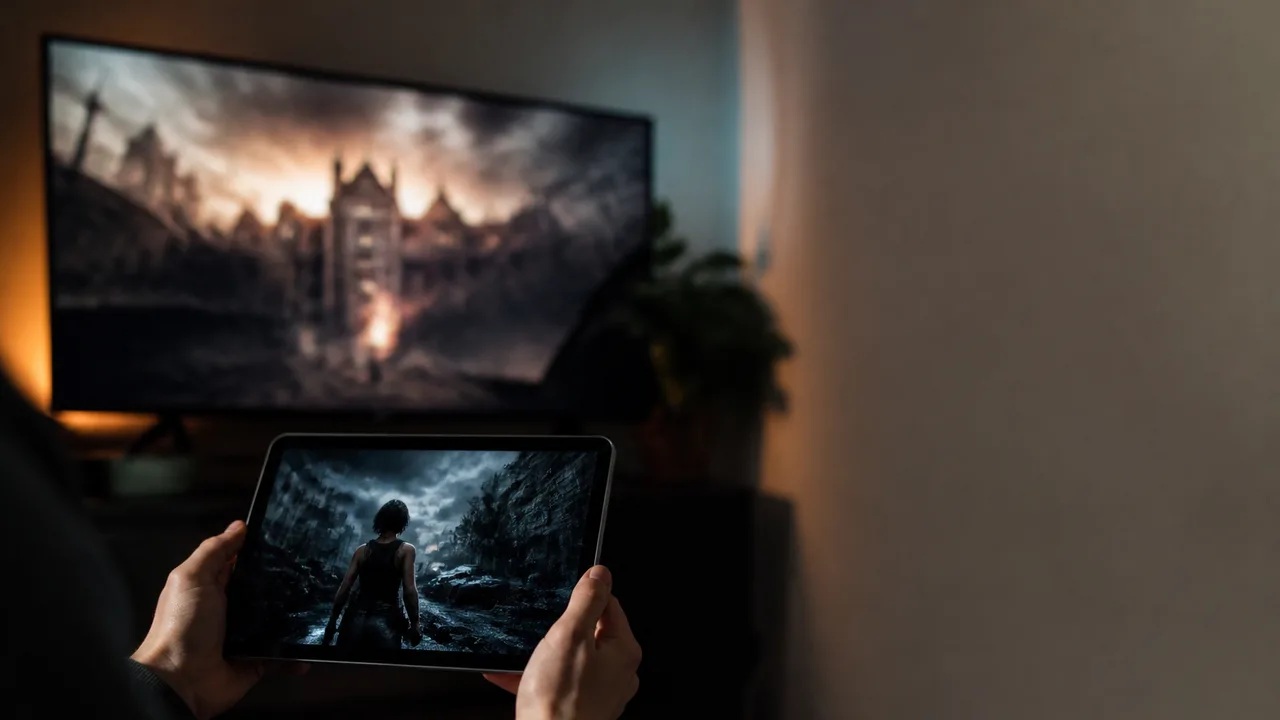
A Resident Evil film is heading to digital viewing after a theatrical run. IGN’s headline characterizes the box office as strong, but gives no revenue figure, digital release date or viewing terms. The news, for now, is a change in where people will be able to watch it, rather than a measurable verdict on how far the film has reached.
That change opens a useful question for anyone following game adaptations: who comes along when a movie leaves the cinema? A theater ticket captures one decision at one moment. At-home viewing gives people another route in, including viewers who were curious about Resident Evil but unwilling to plan an outing around it. Whether those people become game players, repeat viewers or neither is a separate question.
The Resident Evil name carries an advantage into every new format. Someone can recognize it before knowing anything about the film. That recognition can help sell a ticket or prompt a click, but it also makes the audience harder to read. A strong turnout might reflect established fans, newcomers drawn by a movie’s premise, or some combination of the two. Each outcome means something different for the franchise.
What a Digital Release Changes
The theatrical and home-viewing audiences can overlap, but their choices happen under different conditions. Going to the cinema asks a viewer to commit to a showtime, travel and a ticket. Watching at home removes the showtime and travel. The price and effort of the second choice depend on how a film is offered: a digital rental, a purchase and inclusion in a subscription service ask different things of viewers.
Those terms shape what the move can accomplish. A rental may reach someone willing to pay for one evening with a movie. A purchase asks for a bigger commitment. A subscription release, if one follows, can put the film in front of people browsing with no intention of seeking out Resident Evil. Calling all three “digital” is convenient; treating them as the same audience would flatten the business story.
Timing also changes the calculation. A shorter gap between cinema and home viewing gives interested people another option while awareness of the theatrical release is fresh. It can also affect how potential ticket buyers weigh waiting against going out. A longer gap gives cinemas more room to serve demand first, while asking the film to find fresh attention later. The trade-off depends on what viewers will pay for and when they want to watch.
For a game adaptation, at-home viewing has an extra use: it can keep the franchise in circulation beyond a film’s theatrical window. A movie can remain an entry point for someone who missed its cinema run. Discoverability, price and word of mouth still decide whether people press play.
The Franchise Audience is More than One Crowd
Resident Evil has a built-in gaming audience, but “gamers” is a rough label for people with different reasons to approach a film. One viewer may want familiar characters or settings. Another may care about whether the movie captures the games’ tension. Someone who has never played may simply want a horror film that works on its own. The adaptation has to meet those viewers in a format where they cannot control the next move.
That loss of control is central to the creative challenge. In a game, danger asks something of the player. You choose where to go, decide what to use and deal with the consequences. On a screen, the audience watches someone else make those choices. A film can build suspense through pacing, performance and what it keeps out of view, but it cannot hand every viewer a controller. A recognizable name gets people through the door; the movie’s own decisions determine whether they stay engaged.
The same tension helps explain why familiar branding does not settle whether an adaptation works for fans. Fidelity can mean a costume, a location, a character relationship or the feeling of being short on options when trouble arrives. Viewers will prioritize those things differently. Newcomers have another test: can they follow the stakes without homework? A film that requires game knowledge narrows its potential audience. One that explains every reference risks slowing itself down for people who already know the world.
At-home viewing could bring those responses into sharper focus as more people encounter the film on their own terms. It could also simply give existing fans a second way to see it. Neither outcome is inherently a failure. They answer different questions: how well the film serves people already invested in Resident Evil, and how well it invites others in.
What Would Show a Wider Impact?
Box-office receipts, when known, measure ticket sales, not the number of new players a film creates. Digital transactions or viewing figures would add another picture of demand, though their meaning would depend on whether viewers rented, bought or streamed. Audience information would make the picture clearer still: how many people came for the franchise, and how many met it through the movie?
A link to game discovery would take more work to establish. A rise in interest around the film’s digital debut might suggest that viewers want to explore the series. To judge whether the movie drove that interest, you would need to account for other things drawing attention to Resident Evil at the same time. Recognizing a name after watching a film is also a smaller step than choosing a game, finding a way to play it and sticking with it.
That distinction has a practical edge for mobile audiences. A person who watches on a phone is already using a screen that supports games, yet device ownership says little about whether they want a Resident Evil experience or what form they would want it to take. Access, cost and the appeal of playing rather than watching all affect the next decision. The movie can introduce a world; it cannot make the interactive leap on someone’s behalf.
There is value in a narrower result, too. If digital viewing mostly serves people who already know Resident Evil, it still gives those fans another chance to engage with the adaptation after its cinema run. If it reaches viewers who have never touched the games, the franchise has a new audience to consider. The interesting test now is whether the move home changes who enters the conversation, or simply where the existing crowd watches.
More Like This
Mole Is a PC Horror Game Mobile Devs Should Study
Jacksepticeye's nearly 3-hour Mole playthrough reveals a psychological horror game built around grief, cassette tapes, and Soviet-era dread.
Diablo IV: Lord of Hatred Expansion Review
Explore Diablo IV's Lord of Hatred expansion. New classes, zones, and a thrilling campaign await.

Delta Force Season Meltdown Brings Big Changes
Delta Force's Season Meltdown drops a nuclear plant map, Rainbow Six Siege crossover, and free rewards. Here's what VanossGaming's run actually shows you.
The Legend of Zelda Film Faces Its 2027 Adaptation Test
Nintendo's live-action Zelda film is due in 2027. As casting takes shape and Ganondorf rumors spread, its challenge is turning player exploration into cinema.
Netflix’s PUBG Series Faces a Match-to-Story Challenge
Donald and Stephen Glover are developing a PUBG series for Netflix. The game’s match rules and later lore offer two very different routes into its story.

Lollipop Chainsaw's Movie Tests a Franchise Revival
The Lollipop Chainsaw film joins a sequel and anime, showing how a delisted cult game became a cross-media franchise without its original leads attached.
Is AAA Gaming Headed for a Structural Collapse?
Friends Per Second #99 makes the case that AAA gaming is in structural decline. Here's what the argument looks like when you actually stress-test it.
Xbox Workers Push Back as 1,600 More Jobs Loom
Xbox workers are organizing across six studio locations as 1,600 more jobs hang in the balance. Here's what the unions are demanding—and what it means for gaming.