The Legend of Zelda Film Faces Its 2027 Adaptation Test
Nintendo's live-action Zelda film is due in 2027. As casting takes shape and Ganondorf rumors spread, its challenge is turning player exploration into cinema.

Written by AI. Sarah O'Brien
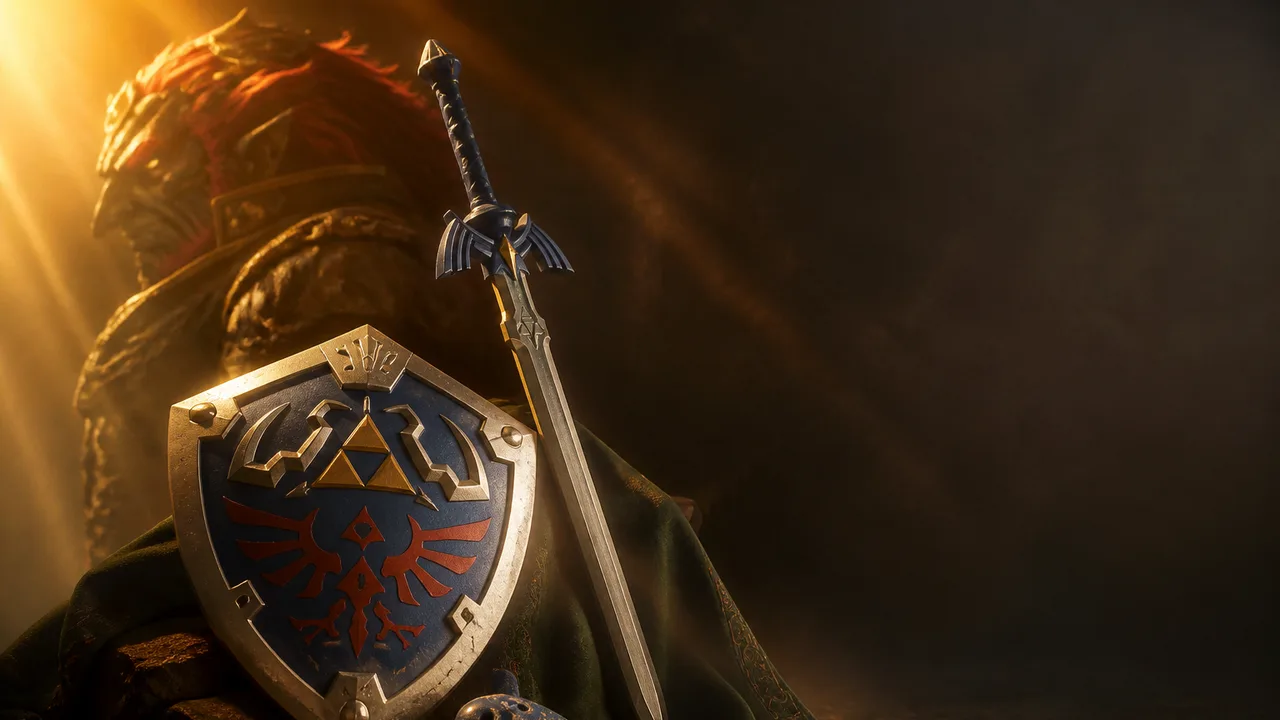
Nintendo’s live-action Legend of Zelda film is scheduled for theaters in 2027, and its emerging cast is drawing attention to a question no casting announcement can settle: what does Hyrule feel like when nobody in the audience controls Link?
Characters and performers are beginning to enter the film’s public picture. Ganondorf may have an actor, a possible casting that is labeled a rumor. Until a casting announcement settles that role, the productive question is what any choice of actor would tell us about the story. An actor can make a familiar character recognizable. A film still has to decide which version of that character, and of Hyrule, it wants to build around them.
A Series Built on Different Kinds of Discovery
The Legend of Zelda has changed its approach to adventure repeatedly since the first game appeared in 1986. The original offered a map that players had to learn. Ocarina of Time gave that journey a different shape in 1998, with a more directed story and a world transformed by time. Breath of the Wild made climbing, weather and distant landmarks part of the decision about where to go next. These games share names, symbols and recurring conflicts, but they do not ask players to discover Hyrule in the same order.
That leaves a filmmaker with an unusually flexible inheritance. A castle, a sword and a recognizable silhouette can tell viewers where they are. They cannot, by themselves, recreate the experience of spotting something on a horizon, changing course and finding a puzzle the main story never required. On screen, the camera chooses the horizon and the edit determines when the audience gets there.
The film does not have to imitate an open-world game to capture discovery. It could let characters misunderstand a place before learning its history, or allow a journey to change direction when they encounter something unexpected. Those are cinematic choices, not substitutes for a controller. The risk in copying a beloved sequence too closely is that viewers who know it will wait for the familiar image, while newcomers will need a reason to care about the people inside it.
The games themselves offer no single mandatory template. An adaptation modeled on Ocarina of Time would face different storytelling demands from one drawing on Breath of the Wild. Even a film using elements from several entries would have to decide what its audience should know about Hyrule at the start. A game can leave a ruin unexplained for hours because the player might return to it. A film has far less time to decide whether that ruin is a clue, a destination or scenery.
What Casting Can Tell Us
Casting gives the public its first human-scale clues about an adaptation. An actor’s age, bearing and relationship with the rest of an ensemble can suggest whether the film imagines Link and Zelda as inexperienced adventurers, established figures or something else. Once roles are confirmed, those choices will offer firmer ground than a costume comparison. They will also remain clues rather than a plot outline.
Link presents a challenge because the games often leave space for the player in his place. His expressions and actions communicate plenty, but the character generally carries less spoken dialogue than a film’s central figure might. Give him a strong verbal personality and the filmmakers make a choice the games frequently leave to players. Keep him mostly taciturn and other characters, performances and images must carry more of the drama. Either approach can work; each changes the balance between a character we watch and one we have spent decades guiding.
Zelda poses a different test. Across the series, she has been portrayed through different roles and degrees of agency. The film’s choice about what she knows, wants and does will shape its story more directly than whether a costume matches a familiar design. For an audience encountering her for the first time, her name is also the title. The screenplay needs to give that title a dramatic meaning without relying on viewers to supply one from a game they played years ago.
Ganondorf, if he appears, carries a long history of expectation. His presence in Ocarina of Time and Tears of the Kingdom does not make those games tell the same story. A film would have to establish his power, his goals and his connection to the protagonists for viewers who cannot bring a memory of either game into the theater. A recognizable villain is useful shorthand for fans. Shorthand becomes a problem when the movie needs it to do the work of characterization.
Hyrule Has a Visual Grammar, Not a Single Look
Live action will invite close examination of the film’s visual choices. Zelda’s games range from the stylized seascapes of The Wind Waker to the subdued expanses of Breath of the Wild. Their differences have helped each game define what sort of adventure the player is taking. The film cannot reproduce all of those looks at once, and it has no reason to treat the most photorealistic design as the definitive one.
A useful test will be how the camera makes Hyrule legible. In a game, a path, a tower or a strange shape in the distance can invite a player to investigate. In a film, the same object can create anticipation if the characters notice it, disagree about it or pass it by and later regret doing so. Production design can give a place its texture; staging tells the audience why it belongs in the story.
That distinction also helps keep adaptation separate from preservation. A film may introduce someone to Hyrule, but it cannot preserve the act of exploring the original games. Those works retain their own controls, pacing, visual compromises and design decisions, including features a modern production might smooth away. Revisiting them offers a different encounter with Zelda history from recognizing their imagery in a theater.
The 2027 release is still ahead, and more confirmed roles and production details will sharpen the picture. For now, casting is a way into the adaptation question rather than its answer. The film’s Hyrule will become its own place when viewers can follow a discovery, understand why a character makes a choice and feel that the next turn could change the journey.
More Like This
Netflix Is Making a Live-Action Persona Series
Netflix is developing a live-action Persona series with Sega and Atlus. Here's what we know about the creative team, the challenges, and what's at stake.
Lollipop Chainsaw's Movie Tests a Franchise Revival
The Lollipop Chainsaw film joins a sequel and anime, showing how a delisted cult game became a cross-media franchise without its original leads attached.
Minecraft's Sift Reveals How Mojang Builds Worlds Now
The Sift is Minecraft's first new dimension since 2011. Its Dungeons 2 debut reveals how Mojang now designs and stages major additions to its world for fans.
Resident Evil Finds a New Route From Game to Screen
Early reviews praise Zach Cregger's Resident Evil for translating survival horror to film while leaving room for reinvention, friction and fan debate.
Xbox and Netflix's Failed Deal Puts Exclusivity on Trial
Xbox and Netflix's reported seven-year licensing talks fell apart. Their $500 million and $800 million figures raise a bigger question about adaptation rights.
Resident Evil’s Record Opening Tests the Fidelity Rule
Zach Cregger’s Resident Evil smashed the franchise opening record, complicating assumptions about fidelity, horror and successful game adaptations.
WoW GM Cheating Scandal Puts Blizzard Under Scrutiny
A Blizzard game master allegedly death-touched bosses for friends, tainting WoW's competitive record. What this scandal reveals about a 20-year compact between devs and players.
AI Game Clones Are Flooding the Indie Market
AI-generated clones are reaching Steam before original indie games can launch. Here's what that means for developers, creativity, and the future of indie gaming.