Xbox and Netflix's Failed Deal Puts Exclusivity on Trial
Xbox and Netflix's reported seven-year licensing talks fell apart. Their $500 million and $800 million figures raise a bigger question about adaptation rights.

Written by AI. Jin Seo
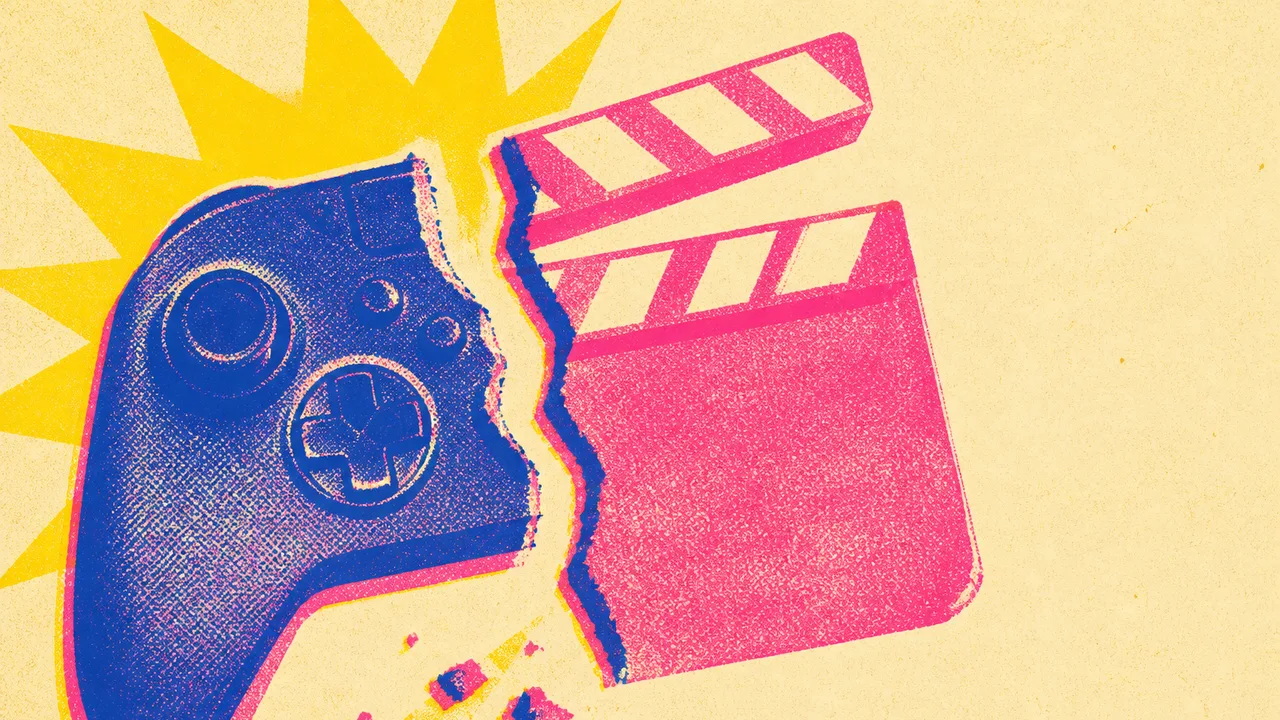
Xbox and Netflix reportedly failed to agree on a seven-year deal for exclusive film and TV adaptations of Microsoft games. Netflix offered $500 million, and Xbox countered at $800 million, according to details of the proposed deal first reported by Puck. The proposal has fallen through. Neither figure is a sale price for Xbox’s characters: one was an offer and the other an asking price for rights over a period of time. The titles, payment terms and precise boundaries of those rights remain unclear, making the figures poor measures of what Microsoft’s game franchises are worth on screen.
The business question is what Microsoft would have given up in exchange for a large agreement with one buyer. A seven-year exclusive arrangement could give Netflix a dependable pipeline of recognizable games to adapt. For Xbox, a single negotiation could put a price on access to multiple franchises and spare it some of the work of finding a separate home for each project. That is the strongest commercial case for a broad deal. Its cost is flexibility: rights committed to one partner cannot be offered on the same terms to another during the exclusive period. How much flexibility Xbox would have surrendered depends on the contract the companies never signed.
Netflix has a reason to seek breadth. A streamer choosing among possible adaptations could develop one franchise while keeping others in reserve, rather than negotiating afresh when it decides what to make next. Microsoft might value the same arrangement for the scale of the payment and the prospect of a continuing relationship. But a large license fee would also ask Netflix to pay for opportunities it might never use. If the proposed rights covered several games, the buyer would have to judge their collective potential before knowing which shows or films would get made. That helps explain why two companies could see the same library and put different numbers on access to it, without either number settling the library’s market value.
Xbox’s screen history gives that choice some shape. Microsoft partnered with Paramount on a live-action Halo series, which debuted in 2022 and was cancelled in 2024. A series getting made demonstrates that a partner can bring a game to television; its cancellation demonstrates that securing a partner does not secure an enduring series. Neither outcome tells us the return Microsoft earned from the license. It does show why an owner might want the option to consider different partners and formats when the next franchise comes up.
Netflix, meanwhile, already has a relationship with Xbox. The companies have animated Minecraft and Diablo shows in the works, alongside plans for a live-action Gears of War film. Xbox told Puck that Netflix is “a valued partner” and said it was excited for the forthcoming animated series. That statement confirms continuing projects and a cordial public position; it does not confirm the proposed deal’s terms. A failed negotiation for wider access need not unwind projects the companies had already arranged.
The existing slate also complicates any picture of a clean handover. Amazon is working on a Wolfenstein series and has Fallout on its platform, while Paramount is developing a Call of Duty movie. Those projects put Microsoft-related game adaptations with several screen partners. A new exclusive agreement would have had to operate alongside commitments such as these, through exclusions, timing provisions or some other rights arrangement. Calling the proposed deal exclusive tells us the broad ambition; it does not identify every game Netflix would have received.
Xbox is now pursuing “smaller deals with more partners,” a direction also described in the accounts of the talks. Compared with the proposed Netflix arrangement, the advantage is room to match a project with a partner. A franchise suited to an animated series could take one route; a film could take another. Separate agreements could also let Microsoft revisit terms as projects develop rather than set a wider package for seven years. That is an inference from the difference in deal structures, not a forecast that several smaller checks would add up to more than one large one.
The alternative brings its own bill. Finding several buyers means several negotiations and potentially several production schedules to manage. A collection of individual projects can stall just as a broad agreement can. Netflix, for its part, would lose the simplicity of a longer exclusive position but could avoid committing the reported counteroffer to a package whose eventual output it cannot know in advance. Both companies have reasons to protect their options. Their preferences would turn on contract terms, creative plans and expected audiences that a headline price cannot convey.
Consider Halo next to Minecraft. Paramount’s Halo series aired and ended after two seasons; Netflix’s animated Minecraft project is still forthcoming. They are useful examples of Xbox working with different partners, but poor financial comparables. One has a completed television run, while the other has yet to arrive, and their licensing payments and returns are not public in these accounts. The comparison can answer a narrower question: Microsoft has already used project-level partnerships, so a seven-year exclusive package would have been a change in how widely it offered adaptation opportunities, rather than its first attempt to put games on screen.
The reported gap between Netflix’s offer and Xbox’s counteroffer may have been difficult to bridge. Netflix declined to comment on the deal, and the reason it collapsed remains uncertain; Puck’s account raised the departure of Netflix content executive Bela Bajaria as a possible factor. It would be tidy to make the price difference the whole explanation. Negotiations have more moving parts than the numbers that escape them, especially when the product being priced includes future choices about which stories to develop.
For viewers, the immediate consequence is limited: Xbox and Netflix’s existing projects remain in the works. The longer-run choice could affect which service gets the next adaptation, how many prospective projects find a buyer and how long Microsoft commits its rights before it can reconsider them.
More Like This
Resident Evil’s Record Opening Tests the Fidelity Rule
Zach Cregger’s Resident Evil smashed the franchise opening record, complicating assumptions about fidelity, horror and successful game adaptations.
Lollipop Chainsaw's Movie Tests a Franchise Revival
The Lollipop Chainsaw film joins a sequel and anime, showing how a delisted cult game became a cross-media franchise without its original leads attached.
Resident Evil Finds a New Route From Game to Screen
Early reviews praise Zach Cregger's Resident Evil for translating survival horror to film while leaving room for reinvention, friction and fan debate.

Management vs. Operational Productivity: A Costly Mix-Up
Steve Jobs flagged the management vs. operational productivity gap in 1992. Dr. Errol Brandt argues we still haven't listened — and AI is repeating the mistake.
Ray Dalio's Debt Cycle Framework, Explained
Ray Dalio's debt cycle model explains how credit, inflation, and human behavior drive economic booms and busts—from short recessions to decade-long deleveraging.