Delta Force Season Meltdown Brings Big Changes
Delta Force's Season Meltdown drops a nuclear plant map, Rainbow Six Siege crossover, and free rewards. Here's what VanossGaming's run actually shows you.

Written by AI. Jordan Mercer
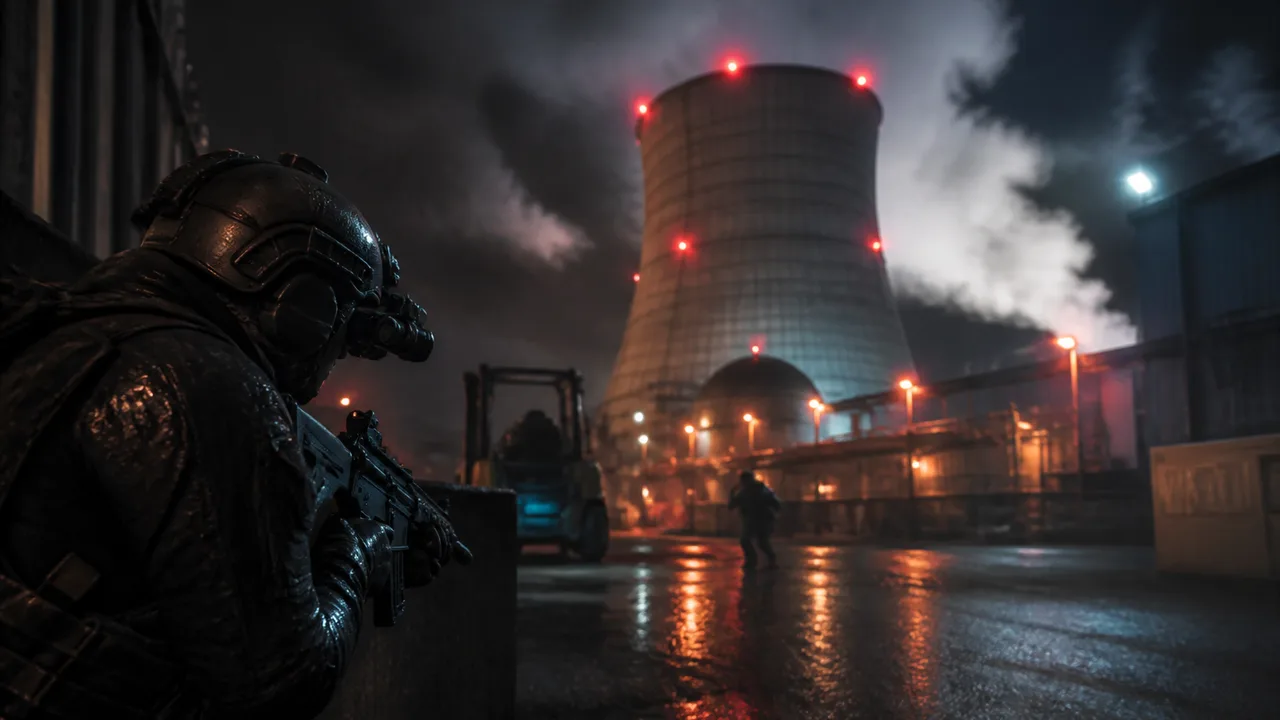
Photo: AI. Kai Hargrove
VanossGaming — Evan Fong — has been doing this for years, and the formula still works: grab Wildcat and Nogla, drop into something chaotic, and let the genuine confusion become the content. His new sponsored video for Delta Force's Season Meltdown is exactly that. It's funny, it's loose, and if you're a mobile player trying to figure out whether this update is actually worth your time, it's also genuinely useful — just not always in the ways it intends to be.
Let me explain what I mean.
The A3 map is the real headline
Season Meltdown's centerpiece is the A3 nuclear plant operations map, and even through the fog of Evan's crew getting lost, arguing about operator loadouts, and briefly spiraling into a rabbit hole about an ostrich egg someone found on eBay mid-match — yes, really — the map's design philosophy comes through clearly. Radiation isn't just cosmetic flavor here. It's a mechanical layer that makes you visible and vulnerable, which means moving through contaminated zones is a genuine risk-reward calculation, not just atmosphere.
That matters differently depending on how you're playing. On mobile, your map awareness is already compressed — you're working with a smaller screen, and every extra variable that taxes your attention is one that could get you killed. The radiation indicator sitting in the corner of the screen (Evan calls out the "nuke symbol in the bottom left" while his squad is actively getting cooked) is the kind of persistent pressure that, on a phone, you might genuinely not catch until it's too late. That's not a criticism of the design — that tension is the point. But it's worth knowing before you walk into the A3 map on a commute expecting a chill looting session.
The environmental hazard design also intersects with the extraction pressure in a way the video accidentally illustrates perfectly. At one point the squad realizes they need to clear the contamination zone fast, and the scramble to find an extraction point while managing radiation, active bosses, and real enemy players converging from multiple angles is genuinely stressful to watch. Evan clocks it: "Oh, no. This place is slowly killing us." That's the game working as intended. The map doesn't just give you a new location — it gives you a new threat hierarchy to juggle.
What the sponsorship actually shows you (and what it doesn't)
The video is a paid integration, disclosed upfront. Evan leans into it with his usual self-deprecating bit — "I'm just one of the greatest, uh, first-person shooter gameplay experts on the platform YouTube.com" — and then promptly gets his squad wiped inside the first few minutes of real play. It's a smart move. The self-awareness disarms the paid-content skepticism before it can build up.
But here's the thing worth sitting with: sponsored gameplay videos from creators like Evan aren't trying to give you a competitive breakdown. They're trying to make the game look fun enough to download. That's a different job. And Delta Force's decision to reach out to Vanoss rather than, say, a dedicated extraction shooter creator or a mobile-first channel tells you something about their acquisition strategy. They want the casual-to-curious player, the person who sees their favorite creator goofing off in a nuclear plant and thinks, "okay, that looks like a good time."
Whether that's your entry point depends on what you want from this update. If you're already playing Delta Force and you want to know whether Season Meltdown's new content is mechanically deep — whether the boss respawns, the locked room requiring a key, the extraction point currency system, the Rainbow Six Siege operator skins all add up to something worth grinding — this video gives you impressions, not answers. The squad beats bosses, finds a gold bar that one of them calls out as massively valuable (shown on-screen during the run), and extracts successfully. That's a win. It's also a 21-minute video where the squad repeatedly admits they don't fully know where they're going.
Which, honestly? Is also information.
The Siege crossover and the free rewards question
The Rainbow Six Siege crossover is real and it's the kind of thing that's going to move the needle for players who have history with Siege. Two crossover operator skins and a collectible drone as free rewards is a solid acquisition hook — Delta Force gets new players from Siege's fanbase, Siege gets brand visibility, players get cosmetics without paying. That's a well-constructed crossover event.
For mobile players specifically, crossover events like this tend to perform differently than on PC. The mobile Delta Force player base skews more international and plays in shorter bursts, which means free rewards tied to login events or limited-time missions hit harder as a retention mechanic. The question is whether the actual event structure — how you claim those rewards, how long the crossover window is — is designed around mobile play patterns or built for a sit-down session. The video doesn't dig into that, but it's the thing I'd be checking before I told mobile players to prioritize this update over anything else in their rotation right now.
The "memories we're making" problem
There's a moment halfway through the video where Evan's squad is supposed to be looting efficiently and instead someone says, "the value we're getting here is the memories we're making along the way," and everyone cracks up. It's the funniest line in the video. It's also, accidentally, the most honest description of what this content format does and doesn't deliver.
You're not getting a build guide. You're not getting a meta breakdown of which new operator is worth unlocking first, or how the A3 map's radiation zones interact with specific operator abilities, or whether the new weapons added in Meltdown are worth farming materials for on mobile. The memories are real. The strategic clarity is not.
That's fine — it's not what this format is for. But if you're a mobile player who's been running extraction loops seriously, the gap between what a Vanoss video shows you and what you actually need to know to play the update well is worth naming out loud.
So what should you actually do with this?
Watch the video if you want to feel out the vibe of the A3 map before you drop in — the chaos Evan's crew experiences is a reasonably accurate preview of what a disorganized trio looks like on it, which is useful context. The boss encounters, the locked sarcophagus room, the multi-stage extraction pressure — all of that reads as genuinely interesting content design, even through the comedy filter.
Then, if you're playing on mobile, go in with your screen brightness up and your sound on. The radiation system and the respawning bosses are both audio-visual information games, and missing either on a small screen in a noisy environment is how you end up in the same situation as Evan: slowly dying in a contamination zone while your teammate goes down the tube anyway.
Season Meltdown looks like a real update. The question nobody in this video was positioned to answer is whether it's a real mobile update — designed with the platform's constraints and its players' habits in mind, or just a PC update that happens to also exist on your phone. That's the thing worth finding out in the first week of play.
More Like This

Diablo IV: Lord of Hatred Expansion Review
Explore Diablo IV's Lord of Hatred expansion. New classes, zones, and a thrilling campaign await.
Sword x Staff: The Mobile RPG That Ate VanossGaming
VanossGaming and crew went down a Sword x Staff rabbit hole for 2+ hours. Here's what that actually tells us about mobile RPG design in 2025.
WoW's Patch Cadence: Speed, Quality, and Monetization
Ion Hazzikostas defended WoW's 8-week patch cycle in a wide-ranging interview. Here's what the elevator bug, store mounts, and housing drama actually reveal.

Risky Damage Is What Makes Games Feel Like Games
Design Doc's latest video maps how risky damage mechanics—glass cannons, opportunity costs, emotional stakes—shape the way games actually feel to play.
Dune: Awakening Adds Single-Player Mode for Console Launch
Funcom is adding a full single-player mode to Dune: Awakening alongside its September 22nd console launch. Here's what that actually means for the community.

Arm's Next Mali GPU Will Carry Neural Accelerators
Arm's Neural Dawn demo signals dedicated neural accelerators in the next Mali GPU generation, bringing desktop-style upscaling and dynamic lighting to Android.

GTA VI Pricing, Bungie's Fall, and Xbox Price Hikes
GTA VI's $100 tiered pricing, 292 Bungie layoffs, and Xbox's third price hike in 15 months — a week that clarified who gaming is actually for.
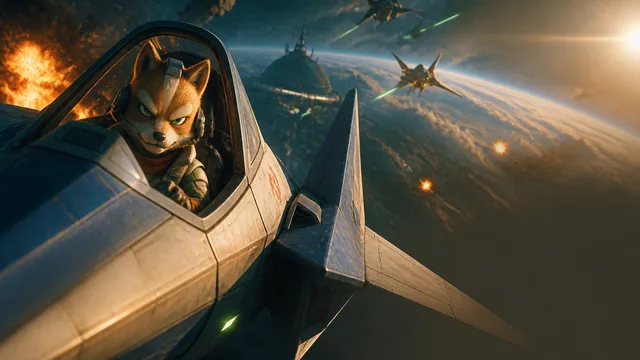
Star Fox 2026 Review: Great Game, Wrong Ambition
Skill Up reviews the 2026 Star Fox remake: gorgeous, fun, and built exactly like a premium mobile game — which is both its strength and its ceiling.