Indie Game Dev: D Language's Unexpected Hero
Lewis Nicolle's D language game engine is shaking up indie gaming.

Written by AI. Jordan Mercer
Breaking Mirrors and Molds: How Lewis Nicolle's Indie Game is a Game-Changer
When Lewis Nicolle decided to plunge into the world of indie game development, he didn’t just dip his toes in—he cannonballed. His game, The Art of Reflection, isn't just another first-person puzzle experience. It's a testament to what happens when you pair the audacity of an indie developer with a programming language that’s often overlooked.
The Art of Reflection: A Concept's Evolution
The game isn’t your typical indie fare. It explores the whimsical question: What if you could walk through mirrors? Imagine the spatial gymnastics of Portal mixed with the mind-bending mechanics of Superliminal. Nicolle didn’t start with this idea; he arrived here through a journey of trial and error.
Originally, Nicolle envisioned a completely different game—something more akin to a conversation-driven 2D experience. But as he put his prototype in front of players, it fell flat. “I ditched my old prototype... This is it. This is the game,” Nicolle said, after a eureka moment with mirror mechanics. Like any great indie dev, he pivoted, letting player feedback and his own instincts guide him.
D Language: The Underdog with Bite
Now, here’s where things get spicy for the tech-heads. Nicolle chose the D programming language to build his game engine. Hold up, D? Not Unity, not Unreal, not even the usual suspect, C++. This isn't just a hipster move; it's a calculated play that highlights D’s power and flexibility.
D is like the Swiss Army knife for programmers who want the power of C++ without its historical baggage. Nicolle describes it as a language that allows him to cut through the fluff and get straight to innovation. It’s a choice that might raise eyebrows in traditional game development circles, but for mobile and indie developers looking to push boundaries, it’s a revelation.
Custom Engines: Control Freak or Visionary?
Building your own engine is like crafting a custom skateboard—sure, you can buy one off the rack, but where’s the fun in that? Nicolle’s background in AAA development gave him the chops to pull it off. “I’m definitely a more confident programmer... making the exact custom tool that I really need,” he says.
This approach isn’t just about control; it’s about unlocking creative potential. With his own engine, Nicolle can iterate faster and implement features that might be cumbersome in a standardized engine. It’s about taking the scenic route and finding joy in the journey.
Player Feedback: The Unsung Hero
Community engagement isn’t just a box to tick off; it’s the secret sauce in Nicolle’s recipe. By actively listening to player feedback, Nicolle honed The Art of Reflection into a game that resonates. It’s a reminder that while the tech stack matters, understanding your audience is non-negotiable.
In mobile gaming, where player feedback can make or break a game, Nicolle’s approach is a masterclass. He’s not just coding in a vacuum; he’s building a dialogue with his players.
What This Means for Mobile Gaming
So, why should mobile gamers care about a game built in D? Because it shatters the myth that mobile and indie games are somehow lesser. Nicolle’s work proves that innovation doesn’t have to be tied to big budgets or established engines. It’s about vision, flexibility, and a willingness to try the unexpected.
With The Art of Reflection, Nicolle has set a new bar—not just for indie developers but for anyone willing to see gaming as a canvas for endless possibilities. It’s a call to arms for mobile devs to embrace the unconventional.
Let’s face it: the future of gaming is mobile, and with pioneers like Nicolle leading the charge, it’s going to be a wild ride.
More Like This
Diablo IV: Lord of Hatred Expansion Review
Explore Diablo IV's Lord of Hatred expansion. New classes, zones, and a thrilling campaign await.
Exploring GTC 2026: AI, Robots, and Tech Demos
Dive into GTC 2026 with AI innovations, humanoid robots, and advanced tech demos that redefine the future.
Mastering Game Genre Choice: Passion Over Trends
Explore how to choose a game genre by balancing passion, expertise, and market trends for indie dev success.
Exploring 3D Game Development with D Language
Delve into Lewis Nicolle's journey of creating a 3D indie game using the D programming language, highlighting technical feats and lessons learned.
Exploring Minecraft Capes and Player Engagement
A deep dive into Minecraft capes, their history, and how they shape player engagement and community culture.
Minecraft 26.1 Snapshot: Game Rules Revamped
Explore new game rule features, time manipulation, and mob changes in Minecraft's latest 26.1 snapshot update.
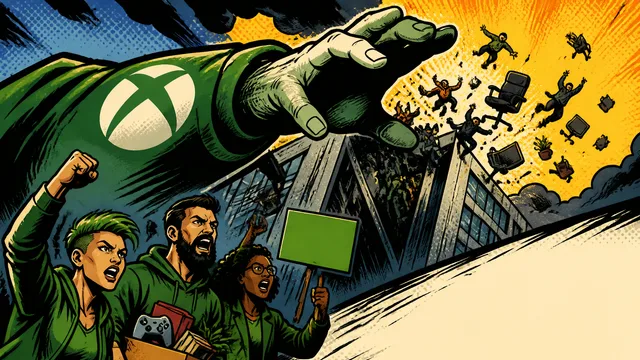
Xbox Workers Push Back as 1,600 More Jobs Loom
Xbox workers are organizing across six studio locations as 1,600 more jobs hang in the balance. Here's what the unions are demanding—and what it means for gaming.
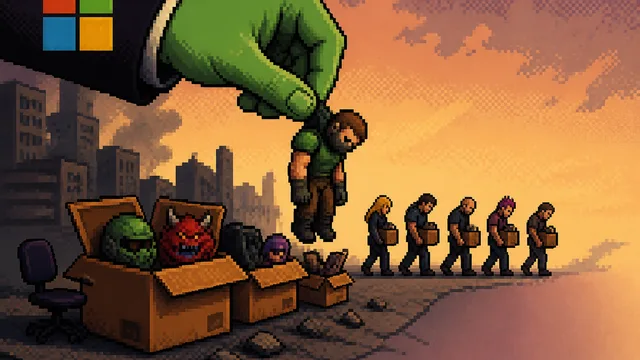
Xbox Cuts 3,200 Jobs and Guts Its Best Studios
Xbox's 'Great Reset' means 3,200 layoffs, five studios gone, and id Software decimated. Here's what actually happened and what it means.