BioWare's Closure Leaves Mass Effect and Its Team Apart
BioWare is closing and its next Mass Effect project has ended. Fan and worker-led proposals could preserve different things: the franchise, a game, or a team.

Written by AI. Mike Wierzbicki
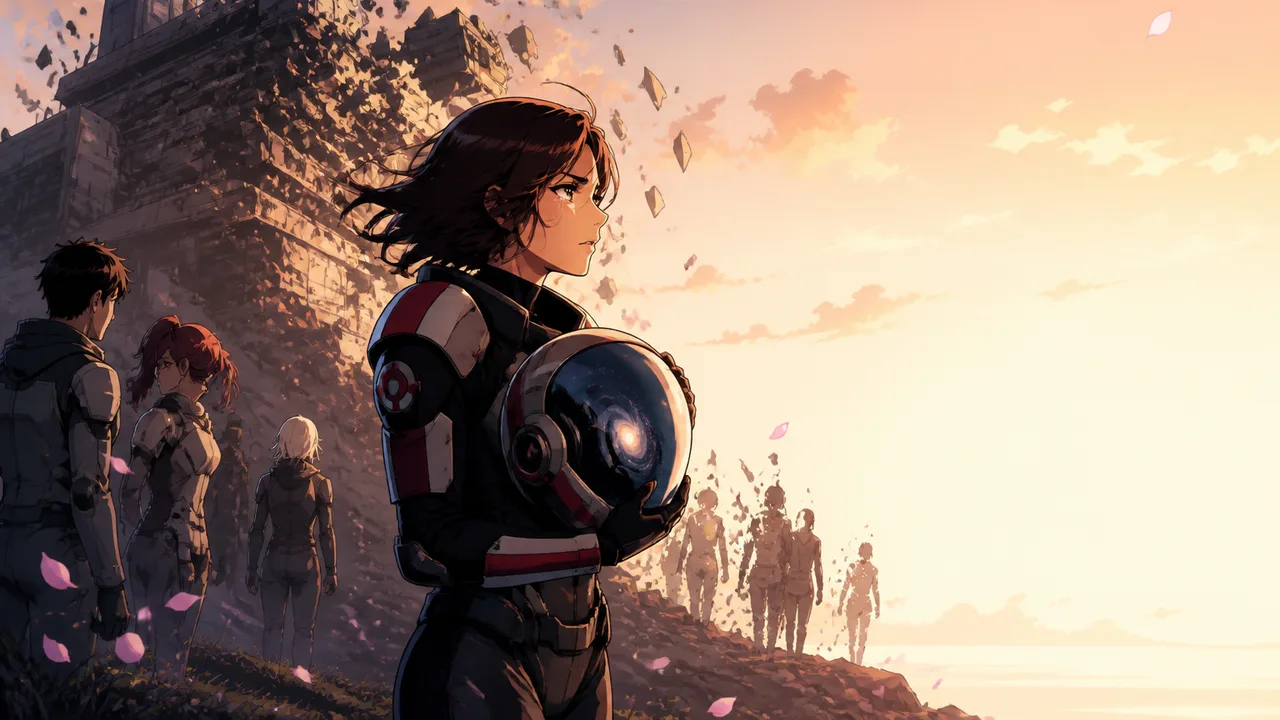
EA closed BioWare on October 21 and ended early development of the studio’s next Mass Effect game. That decision leaves three different things to account for: a franchise EA could use again, a project it has stopped, and the people who were building it. The calls to save Mass Effect address those losses in different ways.
The #SaveMassEffect petition asks EA to fund another studio to develop the next game or license the franchise to someone else. It had 52,783 signatures on October 23. The petition does not ask EA to reopen BioWare. Meanwhile, Canadian New Democratic Party leader Avi Lewis has called for BioWare’s developers to get the first opportunity, with federal support, to buy and run the studio. His worker-buyout proposal puts the people and their workplace at the center. Neither call amounts to an announced transaction with EA.
That split is easy to miss when every proposal travels under the same shorthand: save BioWare, save Mass Effect. A new Mass Effect made elsewhere could satisfy fans who want another game while offering former BioWare staff no jobs. A developer-owned studio could preserve a working team without securing permission or funding to make Mass Effect. And assigning a new developer would not, by itself, resume the early-stage project EA cancelled.
The Game EA Stopped
BioWare’s farewell message, quoted by Pixel Twelve, said the studio was closing and early development on the next Mass Effect project was ending. EA described a small team working on that project. No title, release window or full gameplay reveal had been publicly announced. Those details put a boundary around the cancellation: this project has ended, while EA has announced no replacement developer or project.
The public commitment had lasted years. The next Mass Effect was announced at The Game Awards in 2020. In a 2025 studio update, BioWare said a core team was developing it between full development cycles. That November, executive producer Mike Gamble said the game remained in development and EA and BioWare remained committed to telling more stories in the universe. October’s cancellation supersedes that development update. The earlier statement cannot serve as a promise that another team will pick up where BioWare left off.
EA also made the decision amid a wider portfolio reset. In an employee memo described by Eurogamer, executives said EA would pursue fewer simultaneous large-scale projects; the company paused a Sims-related project and planned a smaller Skate team. Bloomberg reported roughly 400 job cuts across EA, including around 50 at BioWare, as cited by Eurogamer. EA’s memo presents concentration as a way to set projects up for success. For the people on the cancelled game, concentration means their project no longer has a place in that plan. The memo does not assign a single cause to BioWare’s closure.
The petition’s first route requires EA to reverse course on funding a Mass Effect game, even if it gives development to another studio. Its second route asks EA to license the franchise. That could give an outside developer a path to make a game, subject to whatever arrangement EA agreed to. Neither route specifies that the cancelled team would be hired or that its work would move with the franchise. A recognizable name on a new game would answer one question for players; it would leave the employment question open.
Lewis is asking a different question: who gets to keep the studio together? His proposal would give developers the chance to own and operate BioWare rather than wait for EA to assign their franchise to another company. It has an appeal beyond nostalgia. A team can carry knowledge of its tools, unfinished decisions and working relationships that a new contractor would have to rebuild. But a purchase of the studio would need a seller, financing and clarity about what the buyers were acquiring. It would not automatically give that team Mass Effect rights or restore EA’s cancelled development budget. Lewis has called for federal support; no funded buyout has been announced.
Worker control can change how a studio handles a shortfall without making the shortfall disappear. In September, worker-run KO_OP eliminated 13 roles after it failed to secure funding for new projects while working on existing ones. KO_OP said its members had been informed about the cash-flow problem and that the decision was made democratically. That is a comparison about governance and financing, not an example of employees purchasing a closed publisher-owned studio. It shows both what workers can control and what they cannot pay for with a vote.
The Handoff that Happened
EA has previously moved responsibility for a BioWare-developed game to another studio. BioWare launched Star Wars: The Old Republic in 2011 and supported it until 2023, when EA put Broadsword Games in charge of maintaining the MMO. The game remained playable after its original developer left the job. For fans proposing that EA place Mass Effect elsewhere, that handoff supplies a concrete example of a game continuing beyond BioWare.
It supplies a limited example. The Old Republic was an existing live game with years of BioWare-written content; the cancelled Mass Effect was an early-stage project with no public release plan. Maintaining one game under a new operator does not tell us whether EA would license another franchise, transfer unfinished work or employ its former developers. The Broadsword arrangement establishes a change in operational responsibility, not a model with disclosed terms for restarting Mass Effect.
There is a business case for caution as well as a fan case for continuation. BioWare’s franchises could be too costly and time-consuming for many prospective buyers. Former BioWare producer Mark Darrah, in remarks covered by GamesRadar+, considered both an IP sale and EA leaving the franchises unused possible. Those are assessments of what might happen, not EA plans. They also address a sale of rights, which is a different proposition from the petition’s request for a license.
A petition can demonstrate an audience willing to put its name behind another Mass Effect. A buyout proposal can put worker ownership on the political agenda. Neither supplies the missing commitment to a game, a budget and a team. If EA ever announces a successor, the useful questions will be precise: Who is developing it, what work continues from BioWare’s cancelled project, and which of the people who made that work have a place in it?
More Like This
Halo: Campaign Evolved Gets Mixed Reviews
Halo: Campaign Evolved's split reception isn't just a creative story — it's a studio story. What 343 Industries produced reflects the conditions it worked under.

Alpha Dog Games Re-emerges as Independent Studio
Alpha Dog Games, the Mighty Doom developer shut by Microsoft in 2024, has quietly re-emerged as an independent studio—the latest in a string of Xbox departures.