Alpha Dog Games Re-emerges as Independent Studio
Alpha Dog Games, the Mighty Doom developer shut by Microsoft in 2024, has quietly re-emerged as an independent studio—the latest in a string of Xbox departures.

Written by AI. Mike Wierzbicki

The announcement arrived not in a press release or a proper blog post, but in two words on a LinkedIn profile page: "Independently owned, again."
That's the full statement from Alpha Dog Games, the Halifax-based mobile developer behind Mighty Doom and Wraithborne, according to reporting from Yahoo Tech. No fanfare. No roadmap reveal. No carefully worded corporate communication thanking Microsoft for the opportunity. Just a comma and an adverb doing a lot of heavy lifting.
It's a small detail worth sitting with: "again." That word carries the entire history of this studio in one syllable.
Founded in 2012, Absorbed, Closed, Revived
Alpha Dog Games didn't start its life under the Xbox umbrella. According to VGTimes, the studio was founded in 2012 and built its early reputation on mobile titles like MonstroCity: Rampage and Wraithborne — the kind of work that gets you acquired, eventually. Bethesda picked them up, and when Microsoft closed its $7.5 billion acquisition of ZeniMax Media in 2021, Alpha Dog came along as part of the package.
They spent their time in the corporate ecosystem building Mighty Doom, a mobile top-down action spinoff of id Software's flagship franchise. It launched in 2023 and was, by any reasonable measure, a competent piece of work — extracting the kinetic feel of the mainline games into a format that actually made sense on a phone screen. Whether it was ever going to be a sustainable live-service product under those conditions is a different question.
It didn't get the chance to answer that question. In 2024, Microsoft began the largest round of gaming-related layoffs in its history, cutting approximately 1,900 positions across its gaming division — roughly 8% of its gaming workforce — in January of that year, following the Activision Blizzard acquisition closing the previous October. Alpha Dog was among the studios shuttered. Mighty Doom was shut down the same year, per Kotaku.
Now, somewhere in the gap between closure and this announcement, the studio has reconstituted itself.
What "Independent Again" Actually Means Right Now
Here's where the honest reporting has to get uncomfortable: the record is thin.
Kotaku notes that it remains "unclear what this new independent revival will look like or who all from the previous studio will work there," and that it had reached out for comment. VGTimes reports that the studio had "not made an official announcement yet" as of their coverage. Vice's reporting relies on insiders rather than a formal statement. The announcement, such as it is, lives on a LinkedIn page.
That's not a criticism of the people doing the reporting. It's an accurate description of what's publicly available. Alpha Dog Games, at least as of the time of this writing, has not told us who is on the team, what they're working on, or what the funding situation looks like. The studio may be five people with a business plan, or it may be a skeleton crew trying to hold the name and IP together while they figure out the next move. We don't know.
What we do know is the shape of the story — and that shape is becoming familiar.
Alpha Dog Is Not Alone in This
Windows Central frames the Alpha Dog re-emergence explicitly in the context of Double Fine Productions and Compulsion Games, noting the studio follows their examples in "breaking free of Xbox." That framing deserves some interrogation, because "breaking free" implies agency the public record doesn't fully confirm for all cases.
Double Fine's situation — Tim Schafer's studio being divested by Microsoft and returning to independence — is documented. Compulsion Games similarly. The pattern of Microsoft studios either being closed outright, spun off, or quietly returning to independence is real enough to constitute a trend. The question that pattern raises isn't "why are these studios leaving Microsoft?" It's something more structural: what does it mean that a company that spent years and billions of dollars acquiring gaming studios is now, functionally, releasing them?
Microsoft's gaming acquisition strategy under Phil Spencer was premised on the idea that owning first-party studios would give Xbox a competitive content pipeline — especially after years of criticism that Game Pass lacked tentpole titles. The Bethesda acquisition was the biggest bet. The Activision Blizzard acquisition, which closed in late 2023, was an even larger one, focused primarily on Call of Duty, Diablo, and mobile (Candy Crush and King's massive revenue base).
In that context, a studio making a mobile Doom spinoff is — and this is not a judgment on the people who made it — a rounding error. Alpha Dog wasn't acquired because Microsoft wanted Alpha Dog. It was acquired because Bethesda came with it.
When the strategy gets rationalized and the headcount gets cut, those kinds of studios are the ones that disappear first. The math is cold and simple.
The Harder Questions for the People Involved
The "independence" framing in coverage of these re-emergences tends toward the triumphant. Studio breaks free. Creative freedom restored. And there's a version of that narrative that's genuinely true — smaller studios operating inside large corporate structures often face creative constraints, milestone reporting requirements, and the constant threat of cancellation if a game doesn't fit a shifting platform strategy.
But independence isn't free, either. It means finding your own funding, carrying your own health insurance costs, negotiating your own publishing deals, and building without a safety net. For the developers who were laid off in 2024 — many of whom likely went elsewhere to find stable income — returning to an independent Alpha Dog may not be an option at all, regardless of whether they'd want to.
Kotaku's reporting specifically flags the uncertainty around staffing: we don't know who from the previous team is part of this revival. That's not a minor detail. A studio name is a legal and brand asset. The people who made the games that earned that name are the actual studio. If the overlap is small, "Alpha Dog is back" means something quite different than it sounds.
This is one of the less-examined costs of mass layoffs in the industry: the institutional knowledge, relationships, and team chemistry that made a studio functional don't automatically reconstitute when someone re-registers the LLC.
What to Actually Watch For
The mobile gaming market that Alpha Dog is presumably returning to looks different now than it did in 2022 when Mighty Doom was in development. Ad revenue softness, Apple's App Tracking Transparency changes, and the continued dominance of a handful of live-service juggernauts have compressed the middle market further. A small independent studio making premium or niche mobile titles faces a different challenge than one backed by a publisher with a recognizable IP license.
Whether Alpha Dog has a path through that — whether they've secured funding, whether they're working on something original or licensed, whether the core team has enough continuity to actually ship — is entirely unknown right now. The LinkedIn update tells us a direction, not a destination.
The studio was founded in 2012, built something worth acquiring, survived a corporate acquisition, got closed, and now says it's back. That's a harder journey than most studios make it through intact. Whether what re-emerges carries the weight of that history, or just the name, is the only question that matters.
More Like This
Xbox Cuts 3,200 Jobs and Guts Its Best Studios
Xbox's 'Great Reset' means 3,200 layoffs, five studios gone, and id Software decimated. Here's what actually happened and what it means.
Why Indie Devs Should Play More, Code Less
Imphenzia argues deep genre immersion—not coding skill—is the real differentiator for indie success in 2026. Here's what that argument gets right, and where it gets complicated.
Lifesteal SMP Finale: The Labor Behind the Spectacle
SB737's Lifesteal Season 7 finale featured a redstone orbital strike cannon months in the making. What does that prep work actually cost — and who pays?
OpenClaw Acquisition Raises Questions About Startup Exit Timing
Tech streamer Theo discusses OpenClaw's acquisition amid launch preparations, revealing the complex calculus behind when startups should sell versus building.
Gaming Media Veterans Bet on Old-School Web Revival
Two games media veterans are launching a classic multi-format gaming website in 2026. Can lean, reader-supported journalism survive where ad-driven outlets collapsed?
Exploring Minecraft Capes and Player Engagement
A deep dive into Minecraft capes, their history, and how they shape player engagement and community culture.
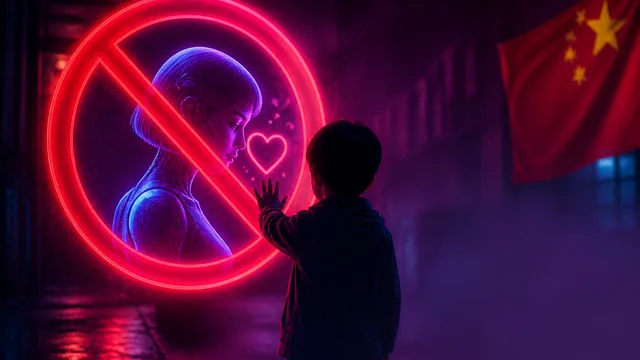
China Bans AI Romance and What It Means for Games
China has banned AI companion relationships for minors and restricted adults. Here's what that regulatory move reveals about emotional design in games.
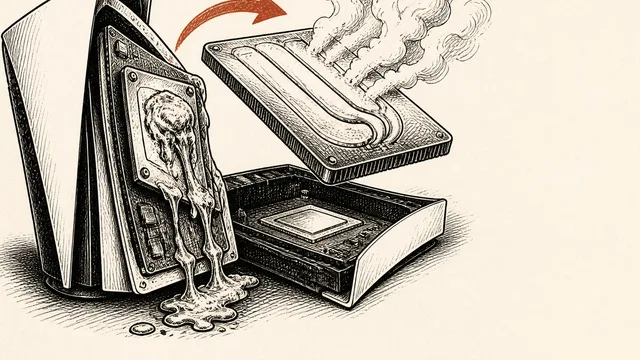
PS6 May Ditch PS5's Liquid Metal Cooling System
A Sony patent points to vapor-based cooling for the PS6, signaling a possible retreat from the liquid metal system that dogged the PS5 at launch.