Gaming Media Veterans Bet on Old-School Web Revival
Two games media veterans are launching a classic multi-format gaming website in 2026. Can lean, reader-supported journalism survive where ad-driven outlets collapsed?

Written by AI. Lily Tsai

There's something almost quietly radical about two people deciding, in 2026, that what gaming media needs is a website that looks and acts like it's from 2006. Not ironically. Not as a gimmick. Just: news, previews, reviews, done well, across multiple formats, by people who know what they're talking about.
That's the bet two unnamed games media veterans are making, according to GamesIndustry.biz, which broke the story this week. Their pitch is as blunt as it is nostalgic: a "classic old-school style multi-format video games website" built to flourish in the current landscape precisely because it refuses to chase that landscape.
The rationale, as quoted by GamesIndustry.biz, has a resigned clarity to it: "There were loads of these around 15 years ago, but then they got squeezed by the ad market, acquired and run into the ground, or pushed too hard and ran out of money. We think this kind of website, run on a tight budget and with the support of readers, can very much s[ucceed]." The quote cuts off there in the source material — which is maybe fitting, because the full sentence is still being written.
The Graveyard Is Real
Before we get into whether this can work, it's worth sitting with why it failed the first time. The obituary list for comprehensive gaming outlets is genuinely dispiriting. The mid-2000s to mid-2010s saw a gold rush of multi-platform gaming sites — staffed by passionate writers, covering everything from AAA blockbusters to obscure Japanese imports — that got swallowed whole by consolidation, venture capital expectations they couldn't meet, or ad revenue cliffs they couldn't survive.
The pattern wasn't random. It was structural. Ad-based media economics reward scale and velocity above everything else. A site that publishes three deeply considered reviews a week and a thoughtful weekend feature cannot compete on pageviews with one that publishes forty hot-take posts per day optimized for search and social. When your revenue model is tied to volume, the quality ceiling gets very low very fast.
What replaced those sites wasn't nothing — it was YouTube, Twitch, Discord, and a sprawl of creator-led content that distributes authority across thousands of individual voices rather than concentrating it in editorial mastheads. That model has real strengths: diversity of perspective, direct audience relationships, platform-native fluency. But it has a journalism problem. Creators have brand relationships. They need access to developers. They operate in ecosystems where the line between coverage and promotion is structurally blurry. Nobody is assigning them investigative pieces.
The Audience Is There — Maybe
The argument that there's an underserved audience for curated, trustworthy games coverage is intuitively compelling, and it's not just vibes. Anyone who's spent time on gaming subreddits in the last few years has watched readers openly lament the collapse of outlets they trusted, circulate years-old articles from sites that no longer exist, and express exhaustion with the algorithmic churn that now fills their feeds. That's not a marginal constituency.
The open question is whether that sentiment translates to subscription dollars, Patreon pledges, or whatever reader-support model these founders are considering. Readers who miss quality journalism are not always readers who will pay for it — particularly in gaming, where free alternatives are abundant and the cultural expectation of free content runs deep.
The "tight budget, reader support" model that GamesIndustry.biz describes is recognizable from adjacent spaces. Defector in sports media, Aftermath in games media (before its cooperative restructuring), 404 Media in tech journalism — all have tried to build lean, reader-funded editorial operations with varying degrees of success. The common thread is that they work when the editorial voice is distinct enough that readers feel genuine loyalty, not just preference. Readers don't subscribe to coverage. They subscribe to people.
That cuts both ways for this new venture. Veteran credibility is real — if these founders have built trust over careers, that reputation travels. But "multi-format video games website" as a concept is not, by itself, a differentiating identity. The specifics of what they cover, how they write, whose games they take seriously — that's where the loyal audience either forms or doesn't.
The Market Context Makes This Interesting
What makes this particular moment worth paying attention to is the broader industry turbulence surrounding it. PocketGamer.biz reports that games industry M&A reached $2.3 billion in Q2 2026 alone — a number that signals continued consolidation at the development and publishing level. When the industry consolidates, coverage of that industry tends to consolidate too, or thin out as surviving outlets make the same cost-cutting calls the studios are making.
That's the environment into which this old-school site is launching. Which is actually, if you squint at it, an argument for its timing. Consolidation creates coverage gaps — games, studios, and platforms that fall outside the narrowing editorial priorities of surviving big outlets. A lean, multi-format site with low overhead and no VC timeline doesn't need to be everywhere; it needs to be good where others have stopped showing up.
There's also something worth naming about the algorithmic landscape specifically. The current Google News ecosystem — if you glance at what's surfacing on any given day — is a mix of major franchise coverage, hardware news, and a long tail of aggregation. The sites doing patient, multi-platform coverage of mid-tier and smaller releases are increasingly sparse. That's a real gap. The question is whether filling it is commercially viable, or whether it's just genuinely good journalism that doesn't pay for itself.
What "Old-School" Actually Means in Practice
It's easy to romanticize the old model and forget what it also included: review scores that publishers managed around, review copies as leverage, access journalism dressed up as criticism, and editorial cultures that had their own problems with representation and rigor. "Old-school" is not a synonym for "better." It's a structural description, and the structure had real flaws alongside real strengths.
What these founders presumably mean by the term is the comprehensive part: covering multiple platforms, covering multiple genres, taking reviews seriously as a form, running previews with genuine editorial skepticism rather than publisher-managed hype. That's worth wanting. Whether the "old-school" framing serves them as a brand, or whether it reads as nostalgia-bait to a reader base that includes people who weren't gaming fifteen years ago, is a question their eventual editorial choices will answer better than their pitch.
The indie and mid-tier space — which is, yes, where I spend most of my attention — is particularly poorly served by the current landscape. Big outlets have narrowed toward AAA coverage because that's where the traffic is. Creator coverage skews toward whatever's algorithm-friendly this month. A genuinely multi-format site that takes a forty-dollar indie game as seriously as a seventy-dollar blockbuster would be filling a real need. Whether this is that site remains to be seen.
The founders are right that sites like this can exist — we have enough examples now of lean, reader-supported editorial operations that the proof of concept is established. The harder question isn't can it survive. It's whether these specific people, with this specific approach, build something distinctive enough that readers feel it's theirs. That's the only thing that keeps a small publication alive when the ad market dips or the algorithm changes again.
Gaming has always been made by people who believed in something other people had stopped investing in. Maybe games media can run on the same fuel.
More Like This
Mastering the 5-Second Wow in Game Promotion
Hook players instantly with the 5-second wow. Discover strategies for game promotion.

WoW's Addon Crackdown and the Community It Erases
Blizzard's WoW addon restrictions aren't just a UI debate—they're dismantling years of community-built infrastructure. Here's what's actually at stake.

Kickstarter CEO Everett Taylor on Funding Without VC
Kickstarter CEO Everett Taylor breaks down pre-orders, pitching, and why venture capital might be the worst deal you ever make for your business.

Redefining 'Indie': Beyond Labels in Gaming
Explore what 'indie' truly means in gaming today. Is it a genre, a spirit, or something else entirely?
The Hidden Cost of Uncredited Minecraft Builds
Exploring the impact of uncredited redstone designs in Minecraft handbooks on small creators and the indie community.

How iRunFar Grew Traffic 249% While Affiliate Sites Collapsed
Bryon Powell's trail running site iRunFar defied Google's affiliate site purge. His playbook—fewer guides, real testing, smarter AI—is worth studying closely.
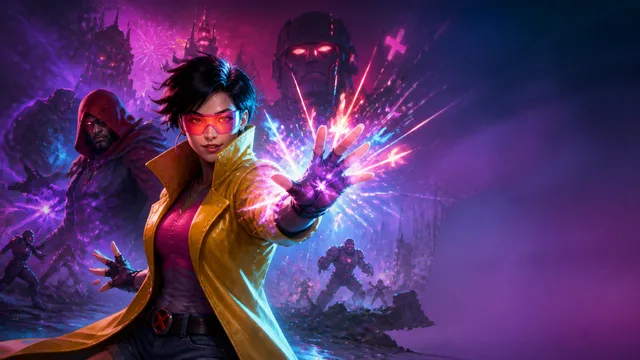
Jubilee Joins Marvel Rivals Season 9 as a Strategist
Marvel Rivals adds Jubilee in Season 9 as a Strategist with firework-based healing—a bold design choice that reframes a fan-favorite for a role her fans never expected.

Ghost in the Shell Returns with Science SARU at the Helm
Science SARU's Ghost in the Shell reboot debuted at Anime Expo 2026. Here's what the studio is risking—and what it might be building—with anime's most philosophical IP.