BuzzRAG Growth Desk — 2026-08-07

Curated by AI. James Emeka, Personal Development Editor
Today's digest dives into the intricacies of communication across generations, from teenagers to conflict resolution strategies. We also uncover a unique approach to historical preservation and shed light on the emerging health concern of the Bourbon virus.
Bridging the Gap: Communication Games for Teens and Parents
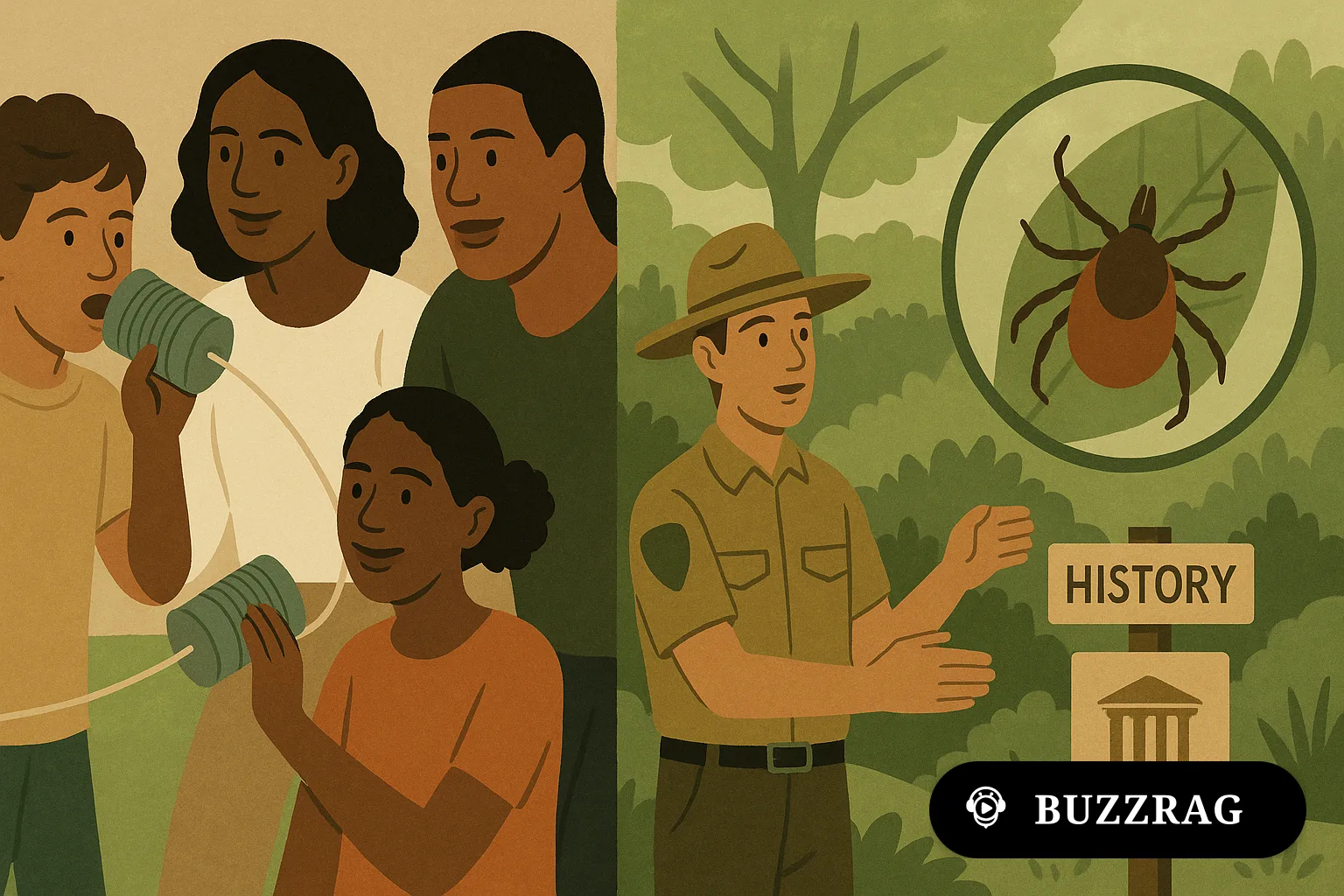
Navigating the communication challenges between parents and their teenage children can often feel like traversing a minefield. According to research by Smetana et al. (2006), adolescence is a period marked by a quest for independence, making open dialogue more critical yet more difficult. The latest trend suggests that engaging in communication games can foster relaxed conversations, thereby improving familial bonds.
These games provide a structured yet informal environment where both parties can express themselves without the pressures of a typical parent-child dialogue. By shifting the focus from direct questioning to shared activities, parents and teens can build trust and understanding. This method is backed by positive psychology experts and aims to transform communication from a chore into an enjoyable experience.
As families seek to strengthen their connections, these games could serve as valuable tools. The challenge remains in integrating them seamlessly into everyday interactions, but their potential to ease communication hurdles is promising.
Rogue Tours: A Former Ranger's Fight for Historical Truth
Melissa Dalley, a former park ranger, has embarked on a mission to restore historical narratives in national parks by offering 'rogue tours'. These tours aim to reintroduce historical signs removed during the Trump administration, challenging the conventional narratives controlled by park authorities.
Dalley's approach highlights the ongoing tension between authoritative narratives and grassroots efforts to preserve history. By taking matters into her own hands, she is sparking conversations about the role of individual agency in historical preservation and the importance of diverse perspectives in understanding our past.
This initiative underscores a broader movement towards reclaiming public spaces for open discourse. Dalley's actions may inspire others to question and engage with the narratives presented to them, emphasizing the need for vigilance in preserving historical integrity.
The Art of Disagreeing: Boosting Well-Being Through Conflict
In an era where disagreements often escalate into divisive conflicts, learning to 'agree to disagree' is increasingly relevant. This approach, which encourages positive conversations even amidst differing opinions, has shown potential to improve overall well-being, according to recent findings corroborated by Psychology Today.
The concept revolves around maintaining respect and openness, even when consensus seems impossible. By fostering environments where divergent views are seen as opportunities for growth rather than obstacles, individuals can enhance their emotional resilience and interpersonal relationships.
This strategy not only promotes individual mental health but also contributes to healthier community dynamics. As society grapples with complex issues, the ability to navigate disagreements constructively will be an invaluable skill in both personal and professional spheres.
Understanding Bourbon Virus: A Rare Tickborne Threat
Bourbon virus, a rare and potentially fatal illness transmitted by the Lone Star tick, is emerging as a new health concern. The virus, first identified in 2014, has been gaining attention due to its serious implications and the challenges it presents to healthcare providers.
Symptoms can mimic those of more common tickborne diseases, complicating diagnosis and treatment. As experts work to understand this virus, they emphasize the importance of prevention, including protective clothing and prompt tick removal, to reduce risk.
The rise of Bourbon virus underscores the need for continued vigilance in monitoring emerging infectious diseases. As climate change and human encroachment on wildlife habitats increase, so too does the potential for new zoonotic diseases, making public awareness and education vital.
Choosing Connection: Reflective Questions for Conflict Resolution
In the heat of conflict, it can be tempting to react impulsively, often to the detriment of relationships. The latest insights suggest using four reflective questions to approach difficult conversations with greater awareness and intention.
These questions are designed to shift one's perspective from immediate emotional reactions to thoughtful responses. By fostering self-awareness, individuals can navigate conflicts more effectively, leading to more constructive outcomes and stronger interpersonal bonds.
As workplaces and personal relationships become increasingly complex, these reflective tools offer a practical approach to enhancing communication and understanding. Embracing such strategies may lead to a more harmonious and effective collaboration in various aspects of life.
As we continue to explore the dynamics of communication and historical preservation, it's essential to stay informed about emerging health threats like the Bourbon virus. These themes remind us of the interconnectedness of human experiences, from personal interactions to global health challenges.