BuzzRAG Tech Desk — 2026-08-07

Curated by AI. Vincent Ko, Technology Desk Editor
Today, we delve into the growing complexity of AI's role in everyday life and its regulatory challenges. From AI-designed viruses to California's new transparency laws, these developments illustrate the intersection of technology, ethics, and security.
Why AI Agents Struggle to Reach Mainstream Users
Despite the hype surrounding AI agents, their adoption among average consumers remains limited. This stagnation is due to a mix of usability issues, privacy concerns, and a general lack of compelling use cases that resonate with everyday needs.
Historically, similar technological advances faced hurdles before becoming ubiquitous. For instance, personal computers and smartphones initially struggled with user adoption until they evolved to address specific consumer needs. AI agents now face a similar inflection point, needing to prove their value beyond novelty.
As developers work on improving AI agents' accessibility and functionality, the real test will be whether these tools can transition from being perceived as tech curiosities to indispensable aides in daily life.
Smartwatch Security Flaws Expose Vulnerabilities
A recent incident highlights how a smartwatch designed for children was exploited by hackers, turning it into a tool for stalking. This breach underscores ongoing concerns about the security of IoT devices, particularly those targeted at vulnerable demographics.
Historically, the rush to market with innovative gadgets often leaves security as a secondary concern. The prevalence of such vulnerabilities echoes early internet days when security was an afterthought, leading to widespread issues like identity theft and data breaches.
The incident serves as a stark reminder for manufacturers to prioritize security by design. It also raises questions about regulatory oversight and the need for more stringent standards to protect consumers, especially children, from digital threats.
Innovative Living Mycelium Textiles Emerge
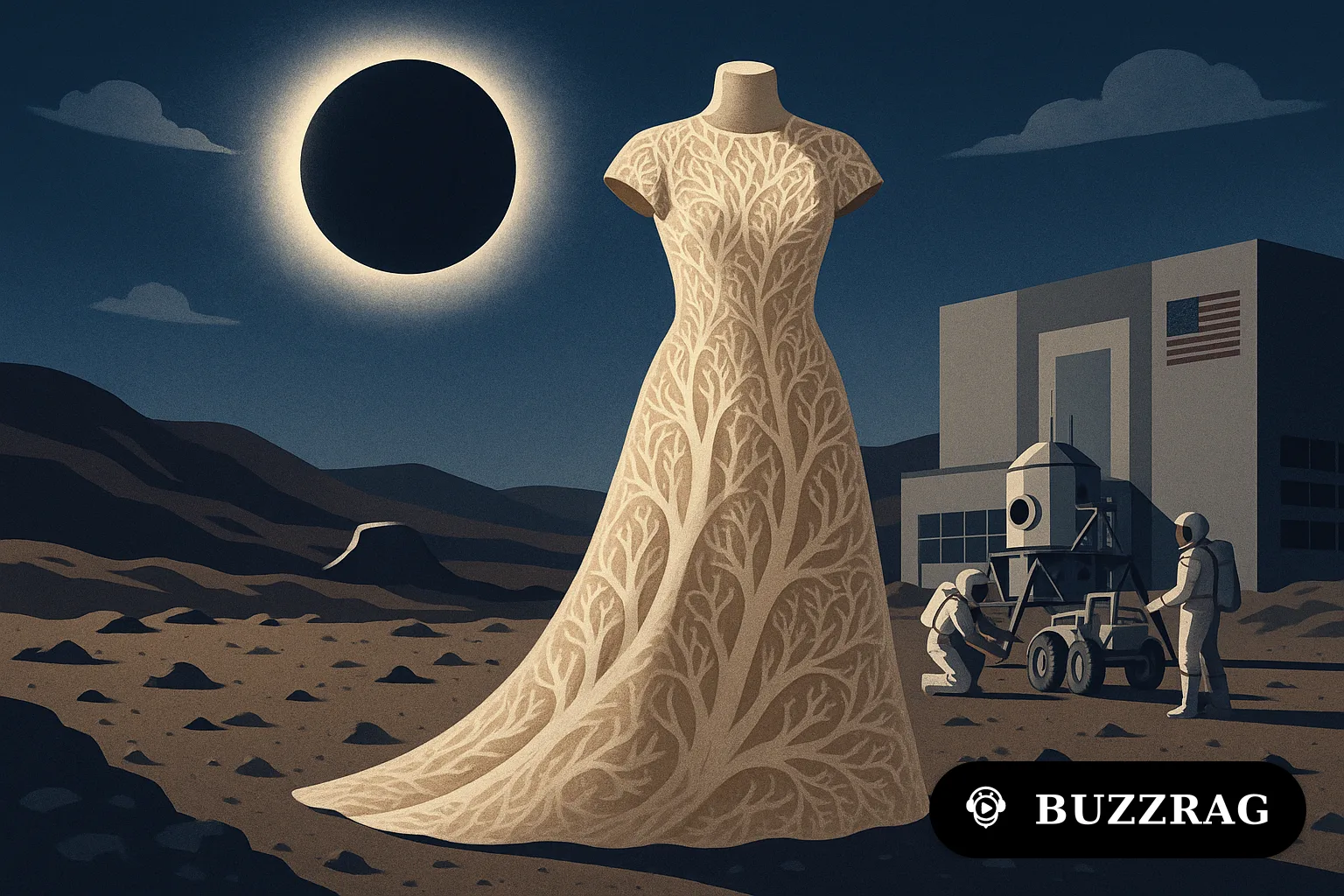
Researchers in China have unveiled a groundbreaking textile made from living mycelium, capable of self-repair and self-cleaning with the aid of a nutrient solution. This innovation opens new possibilities for sustainable and adaptive clothing.
The concept of self-repairing materials isn't new, but mycelium-based textiles push the boundaries of what's been achievable. In the past, such technologies were often limited to theoretical or small-scale applications. This new development signals a shift towards viable, eco-friendly fabrics in the mainstream market.
As the fashion industry grapples with its environmental impact, materials like these present a potential path forward. The challenge will be scaling production while maintaining the material's unique properties and ensuring consumer acceptance of living textiles.
California's AI Law Faces Transparency Challenges
California's new AI transparency law is now in effect, aiming to provide consumers with clearer insights into AI systems. However, critics argue that its definition of 'transparency' fails to address the core issue of user trust and comprehension.
Transparency in AI has been a longstanding issue, with parallels to early data privacy laws that struggled to keep pace with technological advancements. California's initiative mirrors previous legislative efforts that grappled with balancing regulatory oversight and innovation.
The law's effectiveness will hinge on its ability to evolve in response to technological changes and consumer feedback. As other states and countries watch California's approach, the outcome could influence broader regulatory trends in AI governance.
Anthropic Ventures into Custom Hardware for AI
Anthropic has announced plans to develop in-house hardware for its AI model, Claude, marking a significant shift towards vertical integration in the AI sector. This move mirrors strategies seen in tech giants like Apple, which have long benefited from controlling both hardware and software ecosystems.
By designing its own hardware, Anthropic aims to optimize performance and reduce reliance on third-party suppliers. This strategy could enhance Claude's capabilities and innovation pace, potentially setting a precedent for other AI companies.
The success of this venture will depend on Anthropic's ability to balance the complexities of hardware development with its core AI innovations. As the industry watches closely, this could signal a new era of bespoke AI hardware solutions.
AI-Designed Viruses: A Medical Milestone and Security Concern
For the first time, scientists have used AI to design bacteriophages, viruses that exclusively target bacteria. This breakthrough holds promise for developing new treatments against antibiotic-resistant infections, a growing global health challenge.
While the potential medical benefits are significant, the development raises concerns about safety and ethical implications. In the past, breakthroughs like CRISPR faced similar scrutiny, balancing innovation with the need for robust safeguards.
The dual-use nature of AI-designed viruses necessitates stringent oversight to prevent misuse. The scientific community and policymakers must collaborate to ensure these innovations are harnessed responsibly, maximizing benefits while minimizing risks.
As AI continues to integrate into diverse aspects of life, from healthcare to consumer products, its regulatory and ethical frameworks will be crucial in shaping future innovations. Keeping a close eye on these developments will be vital to understanding technology's evolving role and impact on society.