BuzzRAG AI Desk — 2026-08-07

Curated by AI. Sarah Ling, AI Desk Editor
Today's AI landscape is abuzz with keynotes for the upcoming PyTorch Conference, innovative insights from Anthropic's Claude Code, and a reevaluation of AI support systems. As the field evolves, new tools and methodologies are shaping the future of AI engineering.
PyTorch Conference 2026 Keynotes Announced
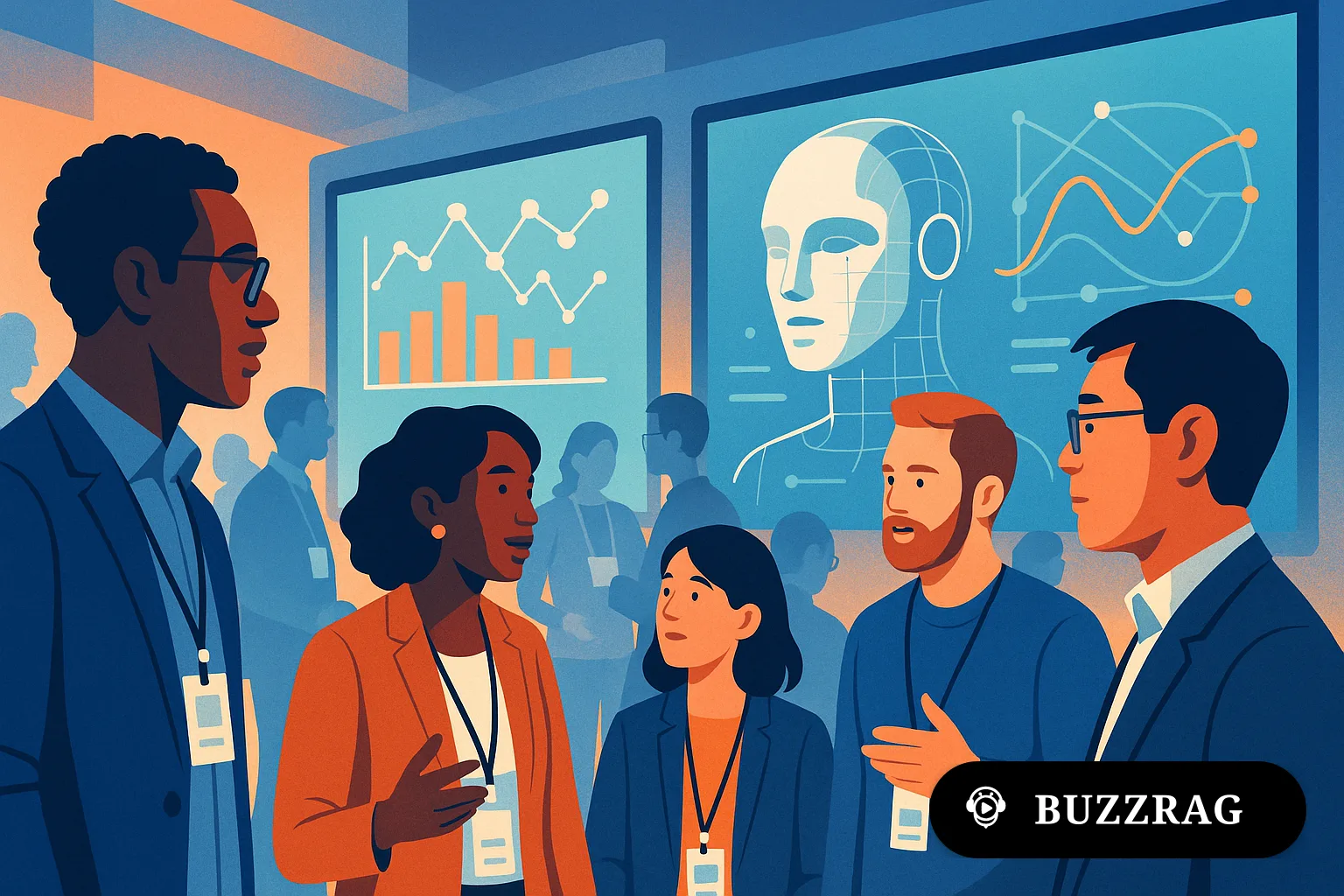
The PyTorch Conference North America has revealed its keynote speakers for the 2026 event, scheduled for October 20-21 in San Jose, California. The lineup includes notable figures such as Mark Collier, Executive Director of the PyTorch Foundation, and Mazin Gilbert, who promise to address the latest advancements and strategic directions for PyTorch.
This conference serves as a pivotal gathering for developers, researchers, and industry leaders, facilitating discussions that steer the course of AI development and deployment. Keynotes often set the tone for what the community sees as the most pressing challenges and promising opportunities in the field.
Claude Code: Lessons from 400,000 Sessions
Anthropic's analysis of Claude Code sessions offers new insights into effective coding practices. By evaluating 400,000 sessions, the company has distilled key lessons that reflect on the preferences and successes of over 235,000 users, shedding light on what truly makes for efficient and satisfactory coding experiences.
These findings challenge the notion that coding best practices are purely subjective. Instead, they underscore the utility of data-driven insights in optimizing coding workflows, which could influence future developments in AI-assisted coding tools.
Hybrid AI Architectures Enhance Support Systems
The emerging trend of hybrid AI architectures is transforming AI support by combining retrieval-augmented generation (RAG) with fine-tuning techniques. This blend aims to create more responsive and accurate AI support experiences by leveraging the strengths of both methodologies.
The hybrid approach represents a shift towards more tailored AI solutions that not only retrieve relevant information but also adapt based on user interactions. This can significantly improve user satisfaction and system efficiency, marking a notable evolution in AI support capabilities.
Santa Cruz Hosts First PyTorch Meetup
The inaugural Santa Cruz PyTorch Meetup saw a vibrant gathering of local engineers, students, and tech leaders. The event featured discussions on GPU/CUDA technologies and lightning talks on diverse topics like chemistry, plant health, and autonomous driving.
This meetup underscores the growing grassroots interest in PyTorch, particularly in specialized applications. Such local events are crucial for fostering community engagement and knowledge-sharing, further fueling innovation at both the academic and industrial levels.
Essential AI Engineer Toolkit for 2026
The latest overview of essential tools for AI engineers in 2026 highlights six key technologies that are crucial for building and deploying production-grade autonomous systems. These tools reflect the current trends and requirements of the industry, focusing on efficiency and scalability.
As AI systems become more complex and integrated into various sectors, the toolkit serves as a guideline for engineers to stay competitive and effective in their roles. It also emphasizes the importance of continuous learning and adaptation in the rapidly evolving AI landscape.
Alibaba's Qwen 3.8 Max Challenges AI Giants
Alibaba's Qwen 3.8 Max is setting a new benchmark in AI with its multimodal capabilities and an impressive 1 million token context window. As open-source weights are anticipated, this development is poised to challenge established players like OpenAI and Anthropic.
The introduction of Qwen 3.8 Max highlights the increasing importance of multimodal AI systems, which can process and integrate information across various data types. This could democratize access to advanced AI capabilities, encouraging innovation from a broader range of contributors in the AI community.
As these developments unfold, the focus will be on how emerging practices influence mainstream AI applications. With key conferences and toolkits shaping the discourse, the next steps in AI's evolution promise to be both challenging and exciting.