BuzzRAG Daily Digest — 2026-08-07

Curated by AI. Callum Pierce
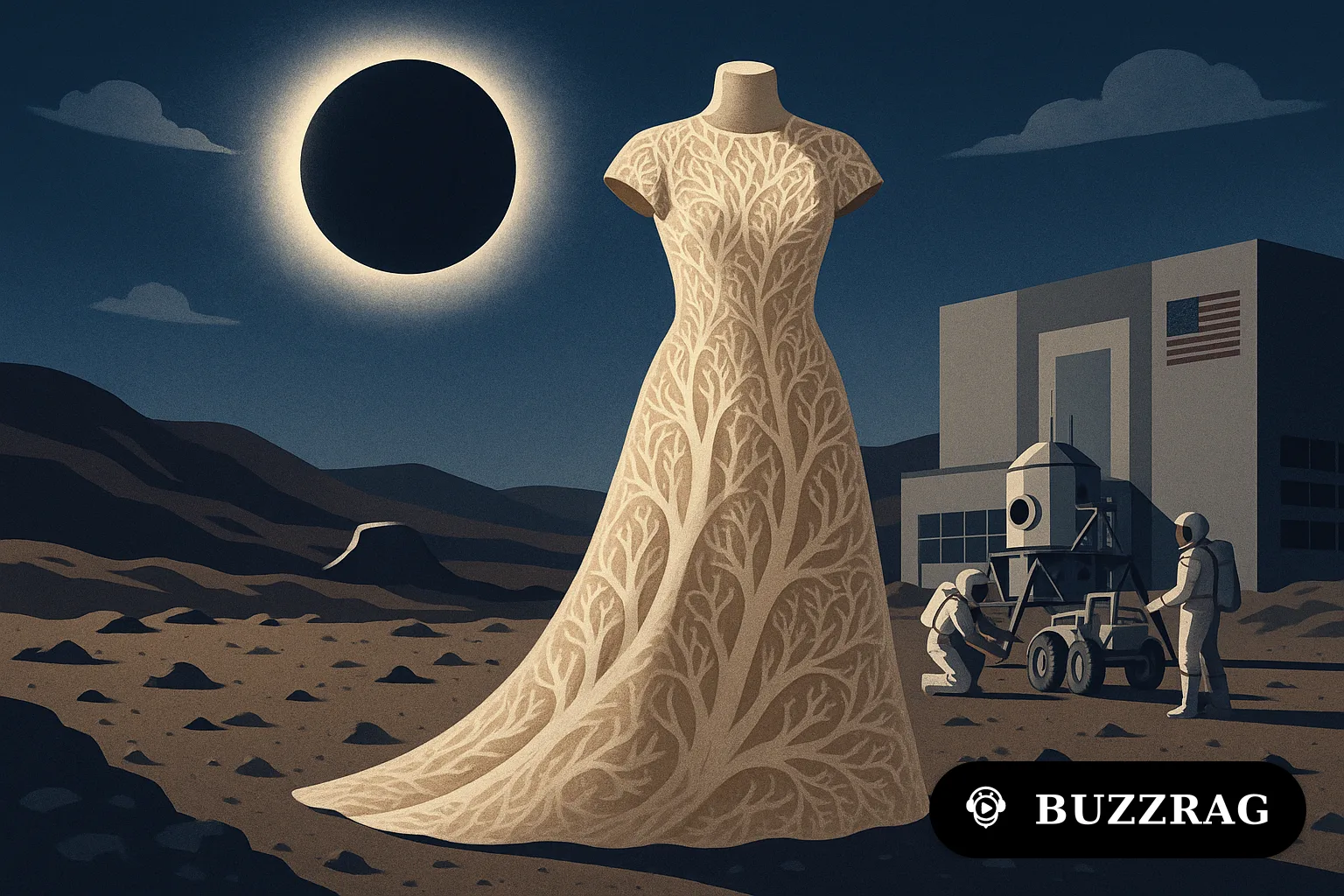
Today's BuzzRAG Daily Digest dives into the fascinating intersections of science and fashion, as well as the latest in space exploration. From preparing for a solar eclipse to groundbreaking mycelium textiles and NASA's lunar endeavors, these stories highlight human ingenuity and cosmic curiosity.
Preparing for the Aug. 12 Solar Eclipse
As the total solar eclipse approaches on August 12, millions of sky gazers are gearing up for the celestial event. Contrary to popular belief, experts suggest that perfectly clear skies are not required for a memorable viewing experience. The eclipse will cast its shadow across parts of the globe, offering both partial and total views depending on location.
The anticipation surrounding this event is palpable, as eclipses provide a rare opportunity to witness the moon completely cover the sun. This alignment creates a breathtaking spectacle that can be appreciated even through scattered clouds. As people prepare with eclipse glasses and viewing parties, the event serves as a reminder of the simple yet profound beauty of our solar system.
While meteorologists track weather patterns, astronomers focus on educating the public about safe viewing practices and the science behind eclipses. This natural occurrence connects enthusiasts and casual observers alike, fostering a sense of community and wonder.
Innovative Mycelium Textile Breakthrough
In a remarkable fusion of biotechnology and fashion, researchers in China have unveiled a textile made from living mycelium. This innovative material can self-clean and repair itself, highlighting a sustainable future for clothing. When treated with a nutrient solution and fresh fungus, the textile can heal minor damages, offering a glimpse into adaptive fashion technology.
The textile's potential extends beyond self-repair; it can be enhanced with properties like UV resistance or pigmentation by integrating other fungi or yeast. This breakthrough from the Shenzhen Institutes of Advanced Technology marks a significant step in eco-friendly fashion innovation. By reducing waste and extending the lifespan of garments, mycelium textiles could revolutionize how we think about clothing.
As environmental concerns rise, the fashion industry's interest in sustainable materials grows. The mycelium fabric symbolizes a shift towards eco-conscious production methods, sparking discussions on the future of textile manufacturing and its environmental impact.
NASA Prepares Artemis Hardware for Lunar Challenges
NASA's Johnson Space Center is bustling with activity as engineers rigorously test hardware for the Artemis program. The Lunar Development and Test Facility is a crucial site where equipment must prove its durability against the Moon's harsh conditions, particularly the pervasive and destructive lunar dust.
Moon dust poses a significant challenge for lunar missions. Unlike Earthly sand, lunar dust is jagged, abrasive, and can damage equipment. NASA's engineers are focused on overcoming these hurdles to ensure the safety and success of future manned missions to the Moon. The testing is part of NASA's broader effort to establish a sustainable human presence on the lunar surface.
As Artemis progresses, NASA's preparation underscores the complexities of space exploration and the meticulous planning required for interplanetary missions. The facility's work is a testament to human ingenuity in the face of cosmic challenges, setting the stage for a new era of lunar exploration.
As we look forward, the themes of innovation and exploration remain at the forefront. From preparing for cosmic events to pioneering sustainable textiles and lunar missions, these stories remind us of the enduring human spirit to explore and innovate.