BuzzRAG Growth Desk — 2026-08-06
Curated by AI. James Emeka, Personal Development Editor
Today's digest examines the intersection of interpersonal relations and mental health. We explore how playful communication can build connections, the significance of self-care, and the complex narratives of grief. Environmental concerns also take center stage with the threat of wildfires to historic landmarks.
Enhancing Connections with Communication Games
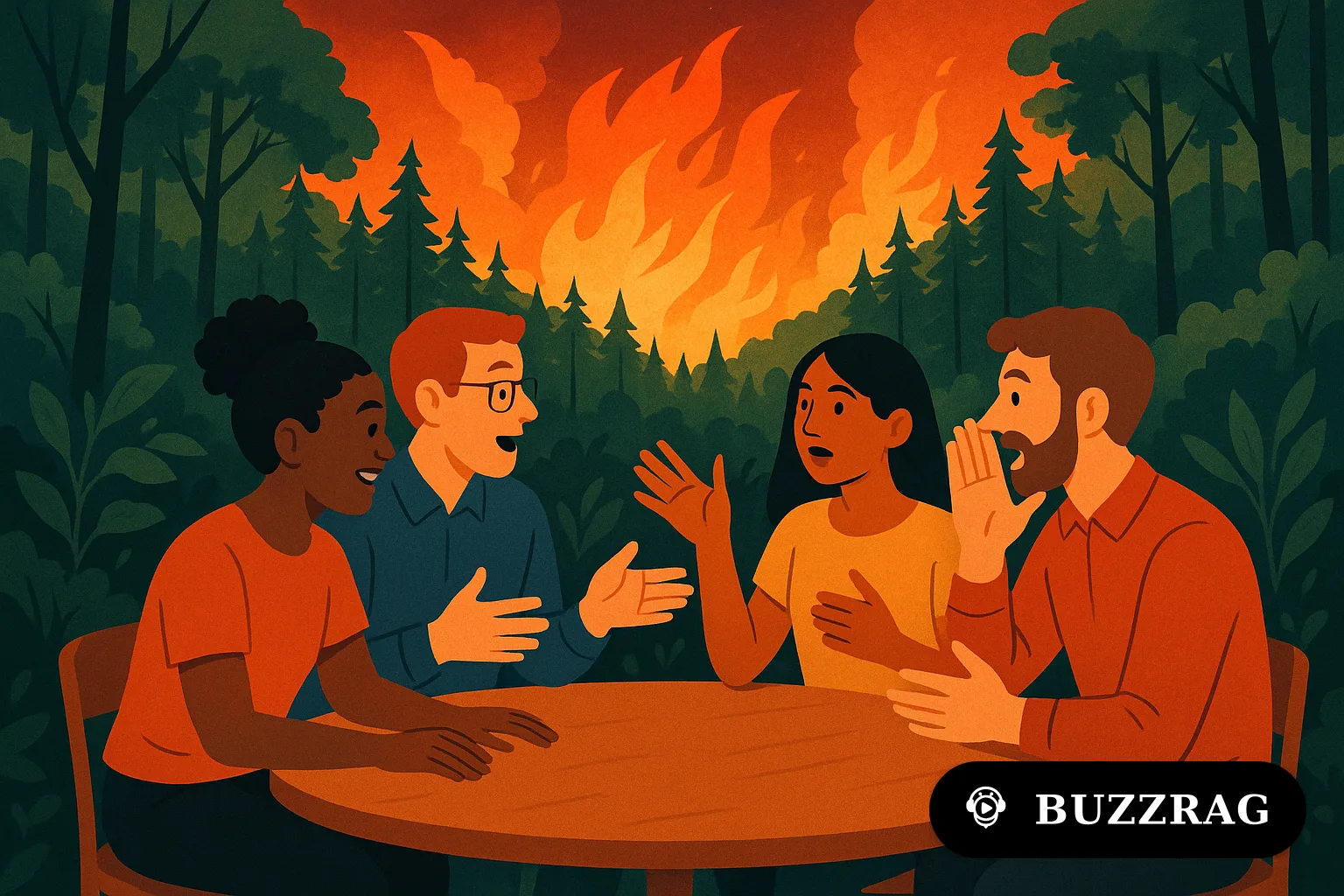
Communication games aren't just for entertainment; they serve as tools for building stronger bonds among friends and family. According to research by Vittengl and Holt, such games can facilitate reciprocal self-disclosure and foster positive emotions, crucial for deepening interpersonal connections.
These interactions are particularly valuable in an era where digital communication often prevails. Games, whether conducted in person or via video call, can break the ice and encourage participation, making them effective for maintaining social bonds in diverse settings. As families and friends navigate increasingly busy lives, these playful interactions offer a structured yet enjoyable way to connect deeply.
Incorporating these games into regular interactions can enhance emotional well-being, providing a sense of belonging and reducing feelings of isolation. They remind us of the importance of shared experiences in nurturing relationships.
Prioritizing Self-Care Without Guilt
In the hustle of daily life, self-care often takes a backseat, leading many to feel guilty for prioritizing themselves. However, research emphasizes that valuing oneself and speaking up for personal needs is not selfish but essential for mental health.
Psychology Today supports that taking time for self-care can prevent burnout and improve life satisfaction. By learning to assert one's needs, individuals can cultivate a healthier relationship with themselves and others, fostering a supportive environment both at home and work.
Adopting self-care practices requires a cultural shift away from the stigma of selfishness, recognizing that a well-cared-for individual is better equipped to contribute positively to their community.
Autism, Military Service, and PTSD: Unseen Challenges
The intersection of autism, military service, and PTSD remains a largely unexplored area, leaving many autistic veterans without adequate support. This discourse brings to light the unique challenges faced by autistic individuals in the military, who may experience PTSD differently.
Veterans with autism often struggle with the rigidity and social demands of military life, which can exacerbate PTSD symptoms. Understanding these differences is crucial for tailoring support and intervention strategies that acknowledge their specific needs.
Highlighting these stories not only advocates for better resources but also challenges societal perceptions of both autism and military service, promoting a more inclusive approach to mental health care.
Wildfires Threaten Mount Hood's Heritage
Mount Hood's historic landmarks and ski areas face imminent threats from escalating wildfires, highlighting the urgent need for effective environmental management strategies. The fires not only endanger natural beauty but also the cultural heritage preserved in sites like the Flag Point Fire Lookout.
Since 1924, this lookout has been instrumental in forest management, and its potential loss underscores the broader impact of climate change on historical sites. The increasing frequency and intensity of wildfires reflect a pressing environmental crisis that demands immediate attention and action.
Protecting these landmarks goes beyond preserving history; it involves safeguarding the natural ecosystem and the community's connection to its heritage.
As we consider the day's themes, the interconnectedness of mental health, relationships, and environmental stewardship becomes clear. Understanding these links can inform more holistic approaches to personal and communal well-being. Looking ahead, expect further discussions on adaptive strategies to manage these multifaceted challenges.