BuzzRAG Growth Desk — 2026-07-29

Curated by AI. James Emeka, Personal Development Editor
Today's digest dives into practical strategies for reducing mental load and offers a critical look at popular wellness concepts like Ikigai. We also explore the science behind how our brains process trauma and the societal dynamics affecting caregivers.
Streamlining Dinner Planning to Reduce Mental Load
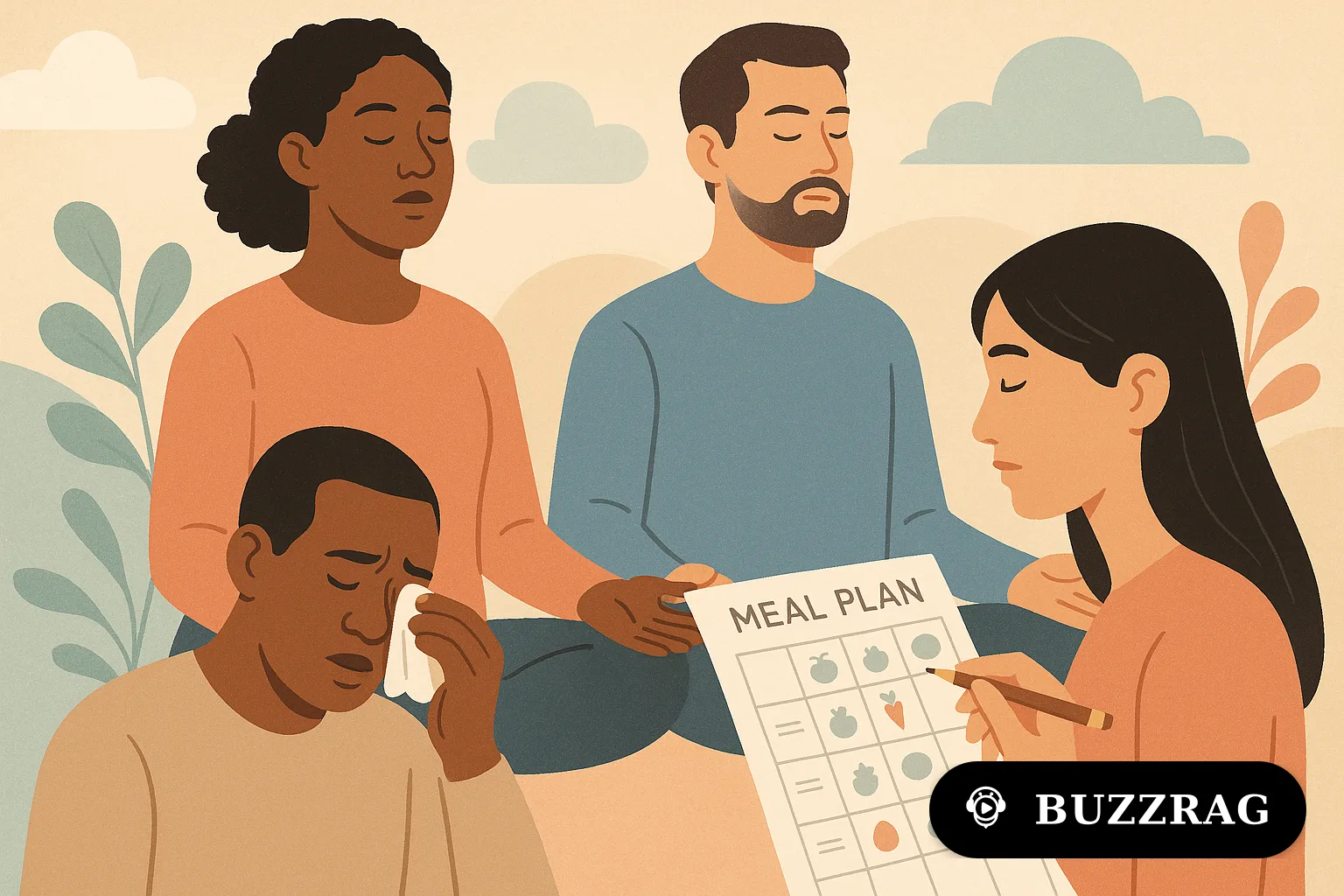
Emily Oster's latest insights on ParentData focus on a simple yet effective method to lighten the mental load of daily dinner planning. This involves a five-minute exercise aimed at organizing meals, which can significantly ease the cognitive burden for busy parents and professionals alike.
The strategy is backed by research showing that pre-planning meals can reduce daily stress and improve mental health. By investing a few minutes upfront, individuals can free up mental resources for other tasks, enhancing productivity and overall well-being.
This approach resonates strongly in an age where mental load is a growing concern. The practical application of such a method could benefit many, especially those juggling multiple responsibilities.
Revisiting the True Essence of Ikigai
The wellness community often touts Ikigai, but its essence is frequently lost in translation. Recent discourse suggests that the Westernized four-circle model oversimplifies this profound Japanese philosophy, turning it into a career-focused tool rather than a holistic life guide.
Scholars Jedvaj and Skrbinjek highlight that Ikigai's true roots involve a deeper exploration of life's meaning, far beyond professional satisfaction. This calls for a reevaluation of how Ikigai is used in coaching, ensuring it respects its cultural significance rather than reducing it to a mere productivity hack.
Understanding the authentic Ikigai can enrich personal development practices by fostering a more integrated approach to finding purpose. As the wellness industry evolves, maintaining cultural integrity in these concepts will be crucial.
Understanding the Persistence of Traumatic Memories
New research sheds light on why traumatic memories often feel as immediate as the present moment. This phenomenon is linked to how the brain predicts and reacts to perceived danger even after the traumatic event has passed.
These insights have profound implications for treating PTSD. By understanding the brain's mechanisms, therapists can develop more effective strategies to help individuals reframe their experiences and reduce the impact of these distressing memories.
As mental health treatment continues to advance, integrating these findings could lead to more compassionate and targeted interventions, offering hope to those struggling with the aftermath of trauma.
Exploring the 'Hope Breath' Mindfulness Technique
In a fast-paced world, the 'Hope Breath' technique emerges as a simple mindfulness practice designed to cultivate joy, compassion, hope, and love. This three-minute exercise encourages individuals to pause and focus on their breath as a means of grounding and emotional regulation.
While the concept of breathwork is not new, the emphasis here is on embracing the natural warmth of each breath as a symbol of life and continuity. This practice aligns with growing evidence supporting the benefits of mindfulness in reducing stress and enhancing emotional well-being.
As people continue to seek quick yet effective stress-relief techniques, the 'Hope Breath' offers a practical solution that can be effortlessly integrated into daily routines.
Rethinking the Self-Care Narrative for Caregivers
The conventional advice for caregivers to prioritize self-care is being challenged for its oversimplification of complex emotional landscapes. Recent perspectives emphasize the importance of recognizing caregivers' unique emotions and needs rather than offering blanket self-care solutions.
This shift highlights a need for more nuanced support systems that genuinely address the emotional and practical challenges faced by caregivers. It advocates for a deeper understanding of the caregiving role and the development of policies that provide real relief and recognition.
As caregiver populations grow, adapting support frameworks to be more responsive to actual needs will be critical in easing their burdens and enhancing their well-being.
Final Steps in Addressing Abusive Behavior
Addressing abusive behavior involves a multi-step process, with the latest focus on the final two steps crucial for meaningful change. These steps require dedication and introspection, aiming to replace patterns of shame with feelings of pride and self-respect.
While each step demands effort, the framework provides a structured path for those committed to behavioral change. It emphasizes accountability and the importance of seeking support, illustrating that transformation is possible with the right tools and mindset.
In a society increasingly aware of the impacts of abusive behavior, these steps offer a roadmap for individuals seeking to break cycles of harm and rebuild healthier relationships.
Harnessing Emotional Release for Resilience
The idea of using emotional release, like crying or even barking, as a resilience strategy is gaining traction. This perspective challenges traditional notions of stoicism by advocating for the expression of emotions as a legitimate coping mechanism.
Research supports the therapeutic benefits of emotional release, suggesting that allowing oneself to fully experience emotions can lead to greater emotional resilience and mental clarity. This is particularly relevant in times of heightened stress or adversity.
As mental health conversations evolve, acknowledging the role of emotional expression can lead to more inclusive and effective strategies for building resilience and fostering mental well-being.
As we continue to navigate the complexities of modern life, these insights remind us of the importance of authenticity, empathy, and scientific backing in our personal growth journeys. Looking ahead, watch for further developments in mental health treatments and the cultural discourse surrounding wellness practices.