BuzzRAG Sports Desk — 2026-07-29
Curated by AI. Marcus Tate, Sports Desk Editor
Today's sports landscape is dominated by developments in gambling cases, viewership spikes in women's basketball, and strategic content moves by sports franchises. These stories underscore the shifting dynamics of media engagement and regulatory involvement in sports.
Shane Hennen Pleads Guilty in Federal Gambling Probes
Shane Hennen, a central figure in multiple federal gambling investigations, has pled guilty to charges of poker fraud. His involvement spans three significant federal cases, highlighting the pervasive nature of illegal gambling activities within sports circles. The plea marks a pivotal moment in ongoing efforts to crack down on sports betting violations.
Hennen's guilty plea is part of a broader crackdown on illegal gambling that has swept through professional sports. The implications of these cases extend beyond mere criminality, touching on the integrity of sports competitions and the regulatory frameworks that govern them. Federal authorities are likely to use Hennen's case to set a precedent, emphasizing the legal risks associated with illicit betting activities.
The outcomes of Hennen's case and others like it are being closely watched by sports leagues and regulators. As the sports betting landscape continues to evolve, the pressure mounts on organizations to ensure compliance and transparency. This case could influence future legislative actions aimed at tightening controls around sports betting.
WNBA All-Star Game Viewership Surges
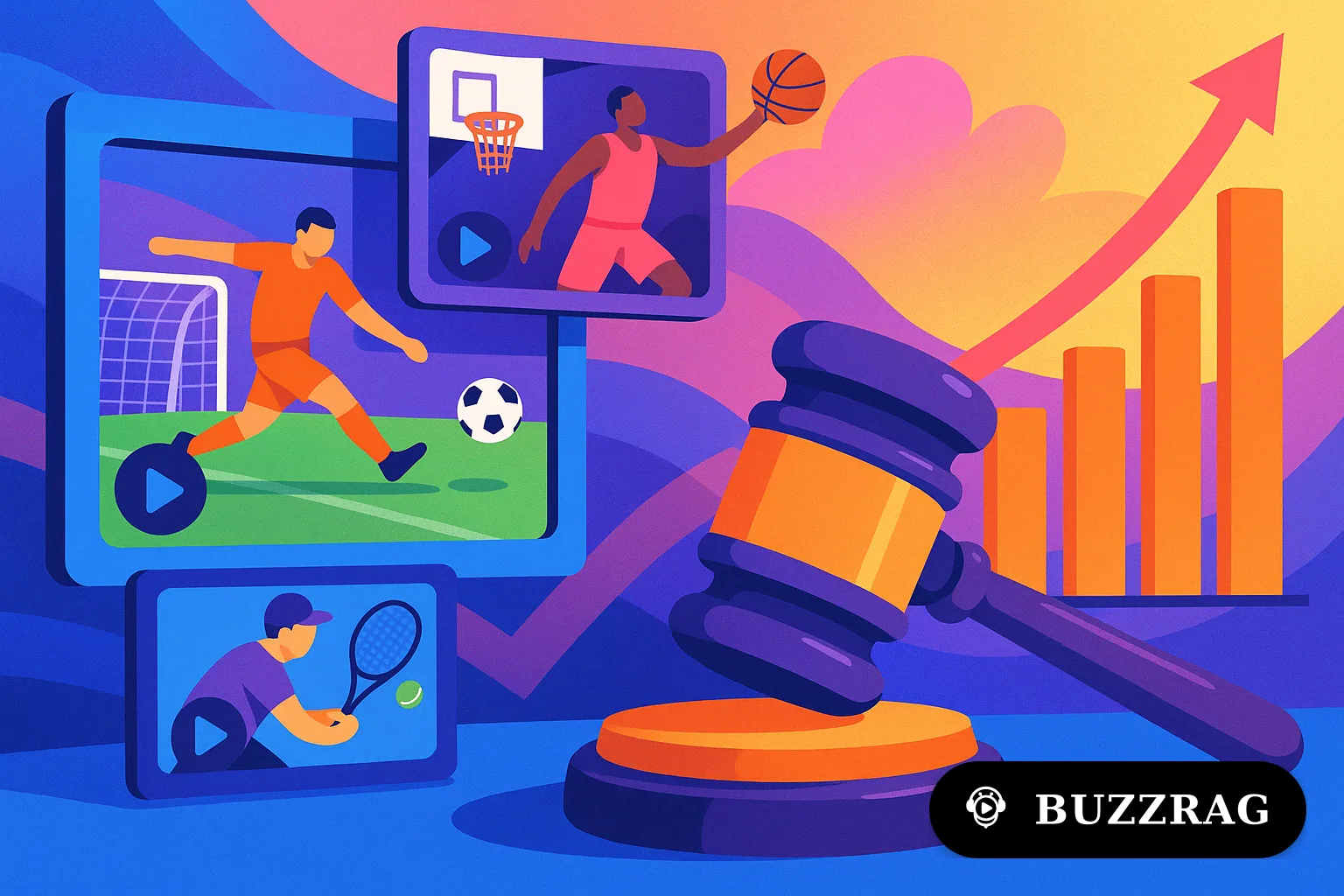
The WNBA All-Star Game has achieved a significant milestone, attracting 3.2 million viewers, marking a 44% increase from the previous year. This surge in audience reflects growing interest in women's basketball, buoyed by star players like Caitlin Clark, who returned to the game this year after missing last year due to injury.
This viewership growth suggests a shifting landscape in sports entertainment where women's sports are capturing larger audiences. The WNBA's strategic efforts to enhance its visibility and marketability are evidently paying off, with increased media coverage and engagement.
Such trends have broader implications for media rights negotiations and sponsorship deals, as advertisers and broadcasters recognize the value of tapping into engaged and diverse audiences. The league's ability to maintain and expand this momentum could redefine the commercial dynamics of women's sports in the coming years.
NBA, MLB Seek Influence Over Prediction Markets
The NBA and MLB have expressed dissatisfaction with a new proposal concerning prediction markets, stating that it 'falls well short' of their expectations. These leagues are advocating for greater control and oversight over how their games are used in betting markets, which have seen rapid growth alongside the legalization of sports gambling.
Prediction markets are becoming significant players in the sports economy, offering fans new ways to engage with games through financial speculation. However, leagues are concerned about maintaining the integrity of their games and the potential impact on fan perceptions. The push for more influence stems from these concerns, as well as a desire to capitalize on a burgeoning revenue stream.
As discussions continue, the outcome will likely shape how sports betting is integrated into the broader sports ecosystem. Leagues are balancing the potential financial benefits against the need to safeguard the reputation and fairness of their competitions.
YouTube TV Expands Sports Offering
YouTube TV has announced significant deals to add ESPN and NBC to its lineup, substantially bolstering its sports programming. This expansion positions YouTube TV as a formidable player in the streaming market, offering a comprehensive sports package that competes with traditional cable offerings.
These deals come at a time when streaming services are increasingly investing in sports content as a means to attract and retain subscribers. Sports remain one of the few types of live programming that consistently draw substantial audiences, making them a valuable asset for streaming platforms.
The enhanced sports lineup is likely to intensify competition among streaming services, driving innovation and possibly reshaping the economics of sports broadcasting. As platforms vie for exclusivity and rights, the beneficiaries will be viewers, who gain access to a wider array of content tailored to their interests.
As the sports industry navigates these changes, stakeholders are recalibrating their strategies in response to evolving viewer habits and regulatory landscapes. The outcomes of these developments will have long-term implications for how sports are consumed and monetized.