BuzzRAG AI Desk — 2026-07-29

Curated by AI. Sarah Ling, AI Desk Editor
As AI continues to integrate into diverse industries, the call for transparency in corporate AI use is intensifying. Meanwhile, advances in model inference and geospatial AI highlight ongoing technical innovations. The educational landscape is also adapting to AI's growing capabilities in coding.
Transparency in Corporate AI Use
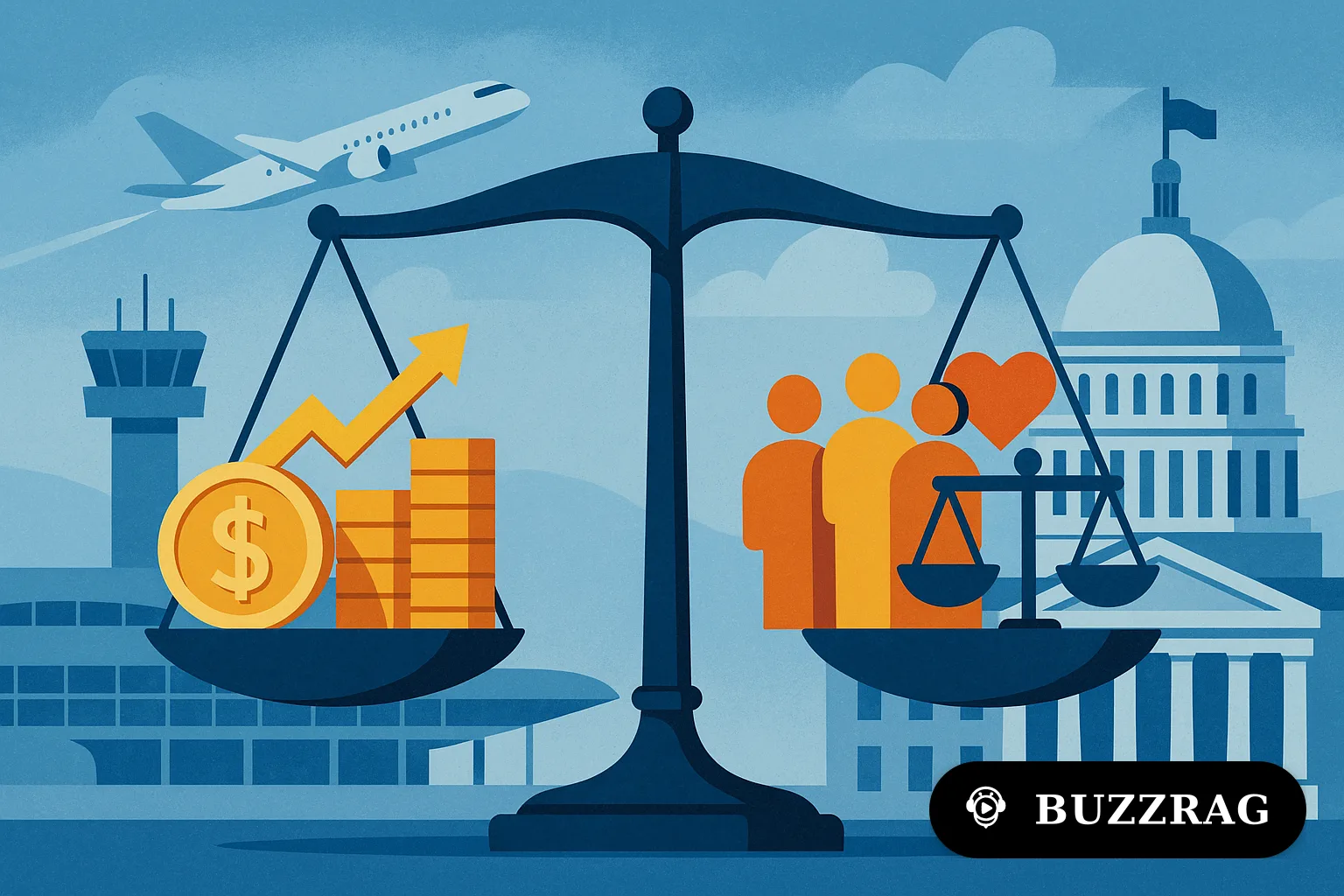
A new call for transparency in how companies utilize AI is gaining traction among investors and stakeholders. The Partnership on AI emphasizes the need for clearer reporting standards to ensure that AI applications align with ethical and operational goals. This move reflects growing concerns about the opaque nature of AI deployments and their wide-ranging implications.
Investors are increasingly aware that understanding a company's AI strategy is crucial for evaluating potential risks and opportunities. This demand for transparency is not just about compliance but also about ensuring that AI technologies contribute positively to business outcomes and societal values. As AI systems influence decision-making, the pressure for clear reporting increases.
The push for transparency could lead to more standardized reporting frameworks, akin to those seen in environmental and social governance (ESG) metrics. This evolution in AI accountability could reshape how companies communicate their technological progresses, influencing investment decisions and public trust.
Innovations in Model Inference
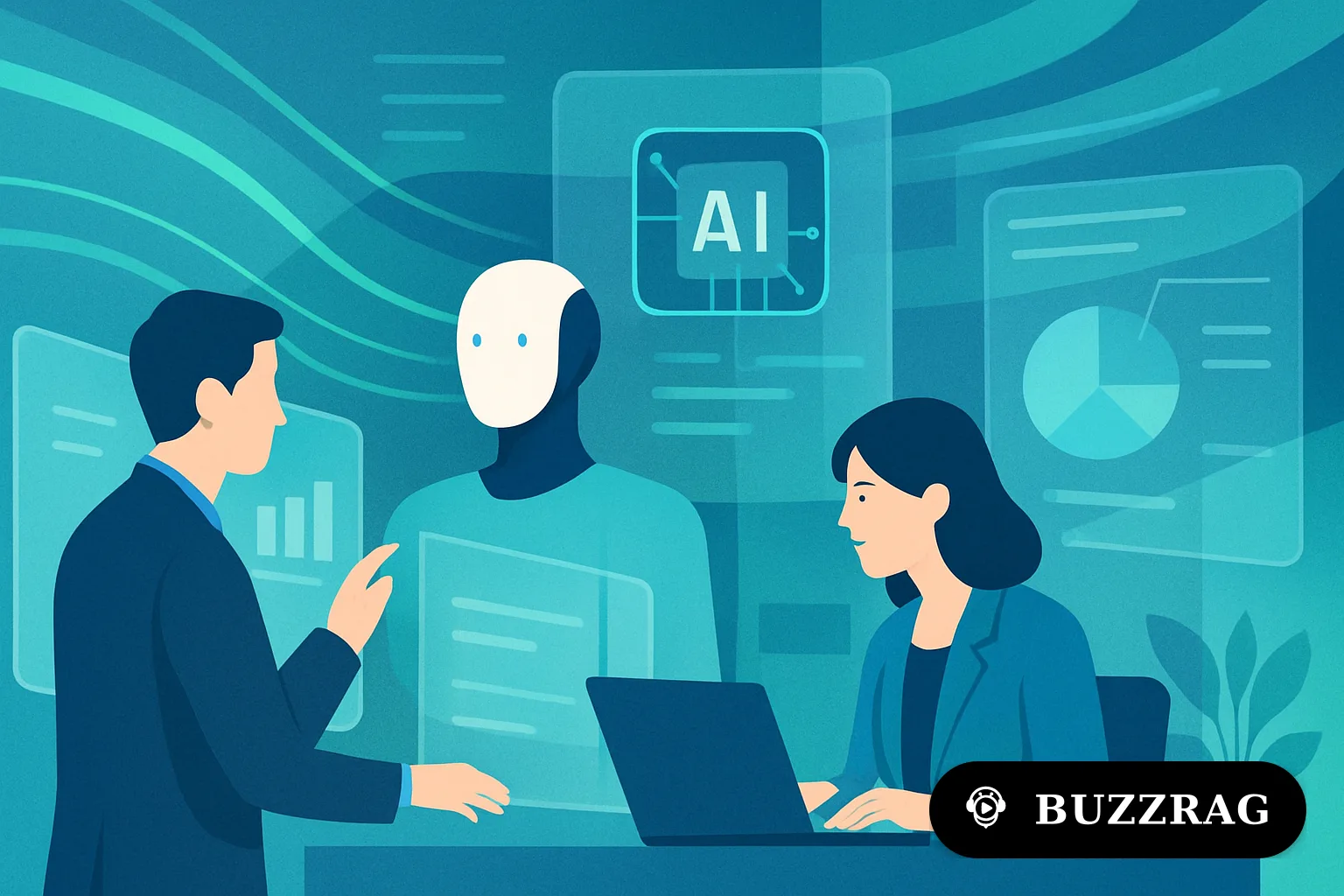
Together AI has introduced a framework for configuring dedicated model inference, focusing on the integration of endpoints, deployments, and configurations. This architecture aims to optimize resource allocation through capacity-aware routing, enhancing the efficiency and scalability of AI deployments.
The technical underpinnings of this framework address a key challenge in AI: managing the computational demands of running large-scale models in real-time applications. By tying together various components of the inference process, Together AI's approach could streamline workflows and reduce operational costs for businesses deploying AI at scale.
Such advancements are crucial as the industry seeks to balance powerful AI capabilities with practical deployment needs. As AI models grow in complexity, efficient inference solutions become indispensable, potentially setting new industry benchmarks for performance and cost-efficiency.
Geospatial AI at Scale with OlmoEarth
The OlmoEarth platform is pioneering geospatial inference on a planetary scale, offering new capabilities for global data analysis. This platform leverages AI to process vast amounts of geospatial data, providing insights into environmental changes and resource management on an unprecedented scale.
Geospatial inference involves complex data processing, and OlmoEarth's platform is designed to handle these challenges with high efficiency. The ability to analyze data globally and at detailed resolutions could transform how scientists and policymakers monitor and respond to environmental phenomena.
As climate change and natural resource management become increasingly pressing global issues, platforms like OlmoEarth are likely to play a critical role in providing actionable insights. This advancement underscores the potential of AI to address large-scale challenges through enhanced data analysis capabilities.
Rethinking Coding Education Amidst AI Advancements
The role of coding education is being reevaluated as AI systems become more proficient at generating code autonomously. Traditional coding exercises, which have long been a measure of student understanding, are being disrupted by AI's ability to produce efficient code solutions rapidly.
This shift poses a challenge for educators who must find new ways to assess and foster student understanding beyond rote programming skills. A focus on problem-solving, algorithmic thinking, and the ethical implications of AI-generated code is becoming increasingly important in computer science curricula.
The evolving educational landscape reflects a broader change in the skills valued in the tech industry. As AI takes over more routine coding tasks, the emphasis on creative and critical thinking skills is likely to increase, preparing students for a future where AI and human ingenuity must collaborate effectively.
As AI systems continue to evolve, transparency, scalability, and educational adaptation remain key themes. The balance between innovation and accountability will shape the next phase of AI integration across industries, demanding nuanced approaches to regulation, deployment, and education.