MLBPA Rejects MLB's Amateur Draft Overhaul
The MLBPA's first formal draft proposal rejects MLB's sweeping changes to draft timing, eligibility, and signing bonuses. Here's what's actually at stake.

Written by AI. Denise Okafor-Williams
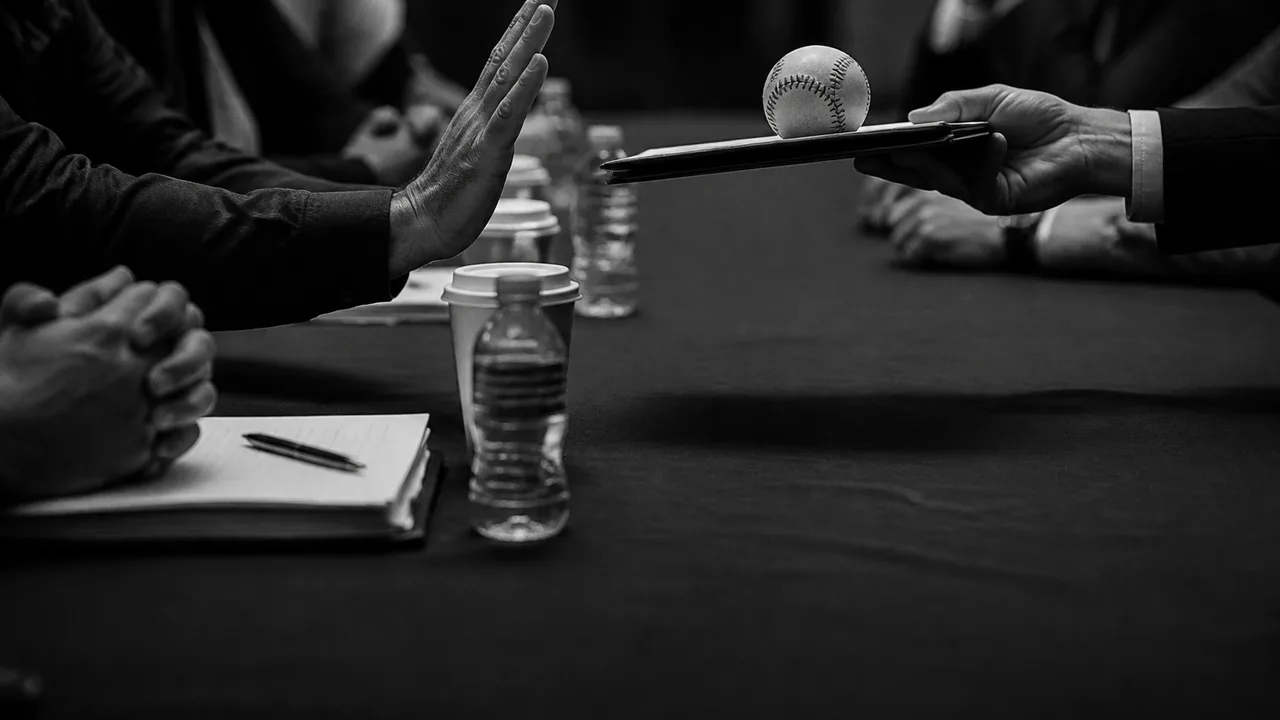
The word "timing" is doing a lot of heavy lifting in how this story is being framed — as if the disagreement between Major League Baseball and the MLBPA is primarily a scheduling dispute, a calendar quibble, something to be sorted out by people who manage league branding events. It is not. The draft timing question is a thread. Pull it, and you get to the actual argument: who controls the entry point into professional baseball, and on what financial terms.
The MLBPA submitted its first formal proposal on the Rule 4 draft earlier this week, and the gap between the two sides is structural, not cosmetic. According to Front Office Sports and Yahoo Sports, one of the union's central asks is returning the draft to June — where it had been held every year through 2019. Since 2021, MLB has staged the draft as part of All-Star Game events, a relocation that folded a labor market mechanism into a promotional spectacle. That bundling served the league's marketing interests. Whether it served players is the question the MLBPA is now formally raising.
But the June-versus-July question, real as it is, matters less than the broader package MLB put on the table first.
What MLB Actually Proposed
The league's draft proposal, as reported by MLB Trade Rumors, would eliminate high school players from draft eligibility entirely, setting a minimum age of 20. It would cut the draft from 20 rounds to 12. And it would replace negotiable signing bonuses with hard slot values — meaning players would have no right to negotiate the terms of their entry into the profession.
Read those three items together and the logic becomes clear. Fewer rounds means fewer players under contract, which reduces the overall bonus pool obligation. An age minimum of 20 means players spend more time in college or independent ball before entering the system, compressing the years of pre-arbitration control the team holds but also, critically, removing the leverage that high school players and their advisors currently exercise when a team picks them. Hard slots remove the remaining leverage entirely.
This is not a calendar reform. It is a compensation structure reform dressed in calendar language.
The MLBPA characterized MLB's approach in direct terms. According to The Athletic via the New York Times, the union's formal response described MLB's proposals as ones that "would demolish the current system by shrinking the draft, slashing benefits by hundreds of millions, and removing all players' right to negotiate." The MLBPA framed its own counter as a framework that would "maintain the economic structure of the Rule 4 draft."
The Union's Counter
The MLBPA's counter-proposal, per ClutchPoints, rejects the age floor, rejects the round reduction, and rejects hard slots in favor of preserving negotiating rights. The June date restoration is part of this package — not incidental to it. Moving the draft back to June lengthens the window between selection and signing deadline, which has historically given players and their representatives more room to negotiate within the slot system that currently exists.
There is also a bonus pool penalty question embedded in this. The Athletic's reporting indicates the union is seeking reduced penalties for teams that exceed their allotted bonus pools. Under the current structure, teams that go significantly over their pool face draft pick forfeiture and steep tax rates — mechanisms that function as hard ceilings in practice, even when the rules technically allow overage. Softening those penalties would expand the effective range of signing bonus negotiation, particularly for players drafted late who outperform their slot value.
The Leverage Map
When you look at this from a labor market perspective, the draft is the only mechanism through which players enter MLB's controlled pipeline. International amateur players have their own separate market with its own rules and spending pools, but domestic amateurs go through the Rule 4 draft. There is no alternative employer, no competing league offering meaningful professional salaries at comparable levels. The draft is a monopsony on entry.
That structural fact matters enormously when evaluating what "hard slots" would actually do. In a competitive labor market, a hard slot is an anchor that firms can use to prevent bidding wars. In a monopsony, a hard slot is a ceiling with no floor pressure underneath it. Players don't get to weigh competing offers. They either sign or they don't play.
This is why the union's language about "removing all players' right to negotiate" is more than rhetorical. The right to negotiate is the only economic leverage an amateur player holds at the moment of entry. The debate about what that leverage is worth — whether the current system already suppresses it too aggressively, or whether owners want to suppress it further — is the actual CBA fight.
Where Things Stand
Yahoo Sports notes that "the two sides remain far apart with the CBA deadline approaching." That framing is accurate but somewhat understates what "far apart" means structurally. The league wants to shrink the draft, age out high school players, and eliminate signing bonus negotiation. The union wants to restore a June draft, preserve the current round structure, and reduce the penalties that function as de facto spending caps. These are not positions separated by percentages. They reflect different theories of what the amateur draft is for.
The owners' theory, at its most charitable, is efficiency: fewer rounds, older players, standardized compensation, cleaner calendar integration. The union's theory is market access: more players drafted means more players under contract, more signing bonus dollars circulating, and more negotiating room at the margins.
One thing that is notable by its absence from the sourced reporting: any substantive public statement from individual players about these negotiations. The union speaks for the membership collectively, but the players who stand to be most directly affected by an age minimum — high school prospects and their families — have no formal voice in a process that will determine whether they enter professional baseball at 17 or 20. That is not a criticism of the MLBPA, which cannot extend membership to non-members. It is simply a gap in the representation structure worth naming.
The SB Nation source provided in the brief's materials concerned WNBA award results and was not relevant to this story.
What happens to a 17-year-old pitcher's earning potential when you tell him he has to wait three years before any professional team can legally pay him to throw? The owners' proposal does not answer that question. The union's counter doesn't fully answer it either. But it is the question sitting underneath all the calendar arguments, and the CBA deadline will arrive before anyone has resolved it.
More Like This

World Cup Knockout Ticket Prices Drop 39% on Resale Markets
World Cup knockout stage resale prices fell 39% from $2,040 to $1,245. What the secondary market collapse reveals about FIFA's pricing architecture.
USMNT Beats Bosnia, Advances Despite Balogun Red Card
The USMNT beat Bosnia 2-0 to reach the World Cup Round of 16, despite Folarin Balogun's controversial red card. Here's what it means on and off the field.

Trump, FIFA, and the Balogun Reinstatement Explained
Trump called FIFA's Infantino to contest Folarin Balogun's red card ban. FIFA reversed it. Here's what we know—and what remains unanswered.
Ken Griffey Jr. Is Trying to Bring Black Players Back to Baseball
Ken Griffey Jr.'s HBCU Swingman Classic is MLB's most visible bet on Black baseball's comeback. Here's what it's up against — and why it matters.
MLB Home Run Derby 2026: Was the $574 Ticket Worth It?
The Dodgers Explicit crew paid $574 each to attend the 2026 MLB Home Run Derby in Philly. Jordan Walker won. Here's what the experience actually cost and delivered.

How the Tour de France Built a Global Sports Business
The Tour de France is more than a race. How ASO built a commercial machine from a national institution—and what it means for the athletes inside it.

ESPN Cuts Ryan Clark as Cable Decline Reshapes Sports Media
ESPN let go of NFL analyst Ryan Clark mid-broadcast, signaling a broader restructuring as cable audiences shrink and the network pivots to digital.

How Goalkeeper Gloves Are Made in Sialkot
Inside Matrix Sports' Sialkot factory, where nearly half a million goalkeeper gloves are made each year for professional clubs and national teams.