Local Staycations Are Reshaping Travel This September
With 72% of travelers preferring nearby getaways, the September staycation trend is more than a budget fix—it's quietly rewriting how tourism works.

Written by AI. Priya Chandrasekaran

There is a particular kind of embarrassment that comes with realizing you have never visited the neighborhood market two streets over, or the state park an hour away that appears on postcards sold in your own airport. The staycation—once the consolation prize of travel, the thing you told people about when you couldn't afford a flight—is shedding that apologetic framing this September with some velocity.
According to Booking.com's press coverage of the trend, 72% of global travelers now indicate a preference for nearby getaways over long-haul journeys. That is not a niche number. That is a majority of the people who travel, telling a travel platform that they would rather not go very far. The question worth sitting with is whether this is genuine preference, quiet economic constraint, or—most likely—a complicated tangle of both.
September as a Hinge Point
September is an interesting month to take the temperature on this. In the Northern Hemisphere, summer's frantic travel season is deflating; school has returned, flights are quieter, and the light turns that particular slant gold that makes even your own city look like somewhere worth photographing. In the Southern Hemisphere, early summer is arriving, which means a different kind of itchiness—the urge to get outside after winter, potentially without a transatlantic price tag attached.
The seasonal symmetry makes September a legible moment to ask: what does it mean to travel well, locally? Not cheaply, necessarily—though that is part of it—but well.
Bloomin's guide to secret staycations frames local unwinding as "one of the most cherished ways to unwind without the fuss," which is the kind of language that would have sounded faintly defensive five years ago. Now it reads as descriptive. The fuss of international travel—visa logistics, airport queues measured in geological time, the specific misery of a long-haul middle seat—has become, for many travelers, a feature they are actively choosing to avoid rather than tolerate.
What "Local" Actually Demands
Here is where the staycation conversation gets interesting, and where the glossy listicle framing starts to strain. Travel + Leisure's roundup of staycation ideas presents a range of options—local adventures, relaxing activities, new experiences close to home—and the implicit assumption is that your "home" contains multitudes worth discovering. That is true for some people and frankly less true for others.
A traveler in a mid-sized city with a dense food scene, accessible nature, and a functioning public transit system has a genuinely different staycation canvas than someone in a rural area with limited infrastructure. The 72% preference figure is a global aggregate, which means it is smoothing over significant variation in what "nearby" delivers. This is not an argument against the trend—it is an argument for reading it with some texture rather than as a universal prescription.
The more honest version of the staycation pitch is one that Cash Store articulates plainly: you do not have to break the bank to have a good time, but you do have to be willing to look at your city differently. That reframing—the city as a place to discover rather than a place to escape—is doing a lot of work in the current staycation discourse. It asks something of the traveler: a willingness to approach the familiar with genuine curiosity rather than the mild contempt that proximity can breed.
The Economics Underneath
Expedia's staycation deals page is instructive in a different way. A major global booking platform actively marketing local stays and weekend escapes is not doing so out of civic altruism. It reflects where platform revenue is moving. If 72% of travelers are orienting locally, the booking infrastructure will follow, and already is.
For local businesses—the independent hotel two towns over, the farm-to-table restaurant that never cracked the destination-tourism circuit—this is potentially meaningful. Staycation travelers tend to spend where they stay, and they stay closer to independent operators than international tourists moving through a checklist of famous monuments. The economic argument for staycations as local stimulus is real, though it requires that travelers actually leave their houses and spend money, rather than simply rebranding a week of Netflix as a vacation.
Partners in Fire's list of staycation ideas and Lucile HR's mini staycation guide both gesture toward this: the value of a local trip is realized through doing, through booking the cooking class or the kayak rental or the hotel room in your own city for a night—the deliberate act of treating your surroundings as a destination. The ritual of departure, even a short one, matters. It creates the psychological boundary between ordinary life and rest that a vacation is supposed to provide.
The Sustainability Layer
The brief positions staycations as part of "a broader movement towards sustainable travel practices," and this is where I want to be careful, because sustainability is a word that absorbs a great deal of weight it cannot always hold. Shorter-distance travel does reduce carbon emissions in most cases—flying is an outsized climate culprit, and driving or taking a train an hour is categorically different from a transatlantic flight. That math is real.
But the sustainability framing can slide into a kind of greenwashing of convenience. Staying local because it is easier and cheaper, then wrapping it in environmental virtue, is a familiar move. The genuinely sustainable version of this trend is one where local travel reinvests in the communities and ecosystems it touches—where the weekend hike comes with trail stewardship, where the local food tourism actually supports the farmers growing the food, where the boutique hotel stay goes to an owner who lives in the community rather than an absentee investor.
Those conditions are not automatic. They require travelers to ask questions and make choices that the listicle format rarely has space to address.
What the Tourism Industry Is Watching
The piece of this that has not received enough attention is what the staycation trend means for how destinations market themselves. If a growing majority of travelers are looking nearby first, the marketing of "international allure"—the language of escape, of elsewhere, of the exotic—becomes less effective as a primary hook. Destinations that have invested heavily in positioning themselves for inbound international tourism may need to rebalance, building products and narratives that serve regional travelers who can drive rather than fly.
This is not a small strategic shift. It affects hotel inventory, tour operator offerings, food and cultural programming, and the stories destinations tell about themselves. A city that has always marketed its cathedral to Europeans may need to learn how to market its neighborhood market to people two hours away—which requires a different vocabulary and a different understanding of what draws people to a place.
September's staycation moment may be a season, or it may be a signal. The 72% preference figure suggests it is at least durable enough to take seriously—not as a replacement for long-haul travel, which will not disappear, but as a parallel economy of attention and spending that the travel industry is only beginning to understand how to serve.
The real question is not whether travelers will stay closer to home. Many already are. It is whether the places they stay will rise to meet them with something worth discovering—or whether "local" will remain, too often, a polite word for settling.
More Like This
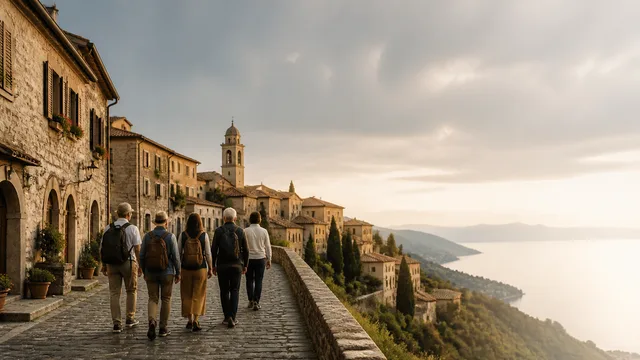
Small Group Italy Tours Are Reshaping Travel
Small group Italy tours promise authenticity over crowds. But do they deliver — and at what cost to the communities they claim to honor?

A New Object in the Sky: The JetBlue Drone Strike
A JetBlue pilot reported hitting a drone on approach to JFK. What the incident reveals about airspace rules built before drones existed.
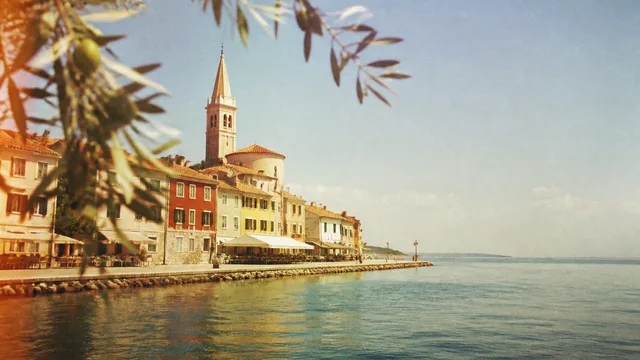
Slovenia's Tiny Riviera Is Having a Very Big Summer
Slovenia's 46km Adriatic coast is drawing travelers with Venetian architecture, local olive oil, and a sustainable tourism model worth watching closely.

How to Travel More Like a Local, Practically
Mark Wolters of Wolters World breaks down what "living like a local" actually means—and the practical habits that separate tourists from travelers.
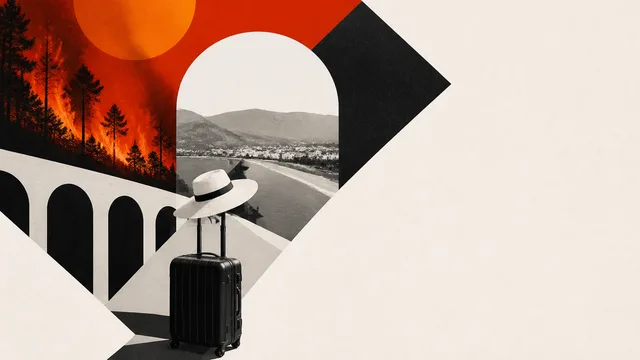
Wildfires Are Reshaping Europe's Summer Holiday Map
Wildfires in Spain and France are pushing travelers toward shoulder seasons and cooler destinations. Here's what the data and experts say about Europe's shifting tourism.

Visaible.ai Bets A$1M That Hotels Are Lost in AI Search
Visaible.ai raised ~A$1M to help hotels stay visible as AI chatbots reshape travel discovery. Here's what the bet reveals about hospitality's next distribution war.

Where to Travel Around the September Equinox
The September equinox splits the world in two. Here's how to use that divide—shoulder season, fewer crowds, better light—to plan a trip worth taking.
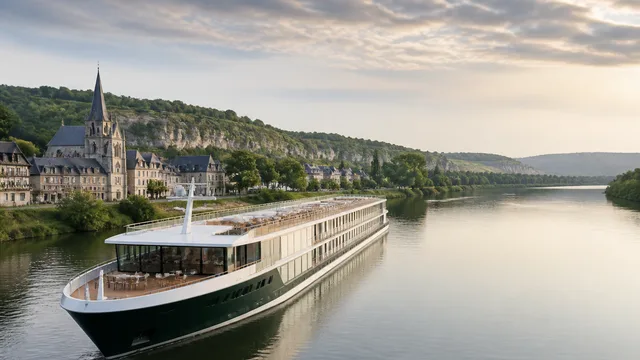
Tauck's Seine River Cruise: What $10,000 Actually Buys
Travel + Leisure boards Tauck's MS Serene for a nine-night Seine cruise. Here's an honest look at what luxury river cruising delivers — and what it costs.