EU Ends Border Safety Valve as Airlines Warn of Longer Queues
The EU is removing a temporary border-management safeguard as airlines warn of longer queues, missed connections and mounting pressure on the EES rollout.

Written by AI. Priya Chandrasekaran
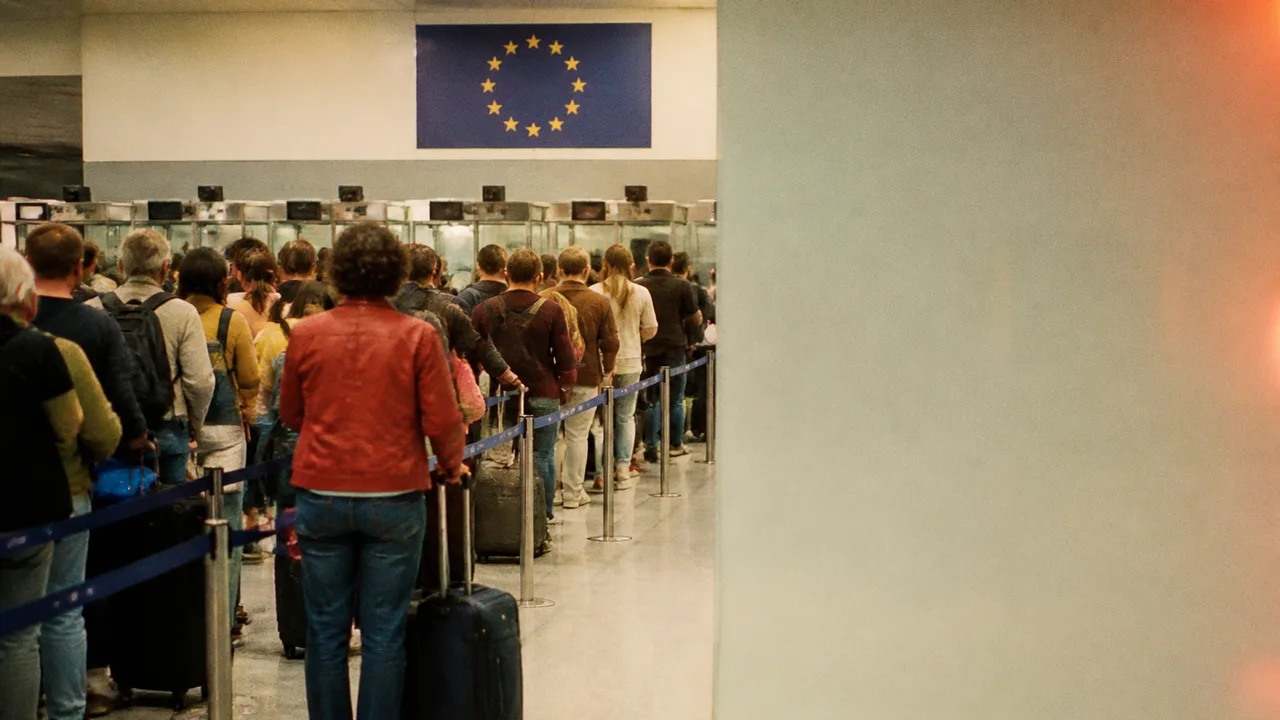
The European Union is retiring a temporary safeguard that let border authorities relax processing rules when entry systems became congested, a change Skift reports amounts to closing a "safety valve" that airports had leaned on during the rollout of the Entry/Exit System. From now on, arrivals must be processed within the intended rules, even when terminals are under strain. Airlines say the result will be longer queues and more missed connections. Border authorities say the rules exist to be followed. Both statements can be true, and this autumn both will be tested at the same time.
What the Safety Valve Actually Did
The safeguard was a pragmatic fudge: when the new biometric system slowed processing beyond what terminals could absorb, officials could fall back on exceptional flexibility, waving through volume rather than letting queues balloon indefinitely. It was always described as temporary. Now the temporary part has arrived.
The backdrop is the Entry/Exit System, or EES, which registers non-EU travellers biometrically at the external border and has replaced passport stamping at major crossings. I have written before about what the EU Entry/Exit System asks of travellers and of the workers standing at the kiosks: fingerprints, facial scans, and a digital record replacing ink. The system's promise is faster repeat crossings. Its cost, in the early phases, is slower first ones, because enrolling a traveller takes longer than stamping a passport.
The summer of 2026 did not go smoothly. In July, EU officials convened what FlightGlobal described as an urgent meeting with airlines and airports over feared EES "chaos". By late summer, the language had sharpened. Business Traveller reported that the European airports chief told the EU to "stop pretending" the EES is working as border queues grow, and BBC News carried the same airport boss's warning that summer border delays were "not bearable". The Points Guy covered EU leaders calling an urgent meeting with airlines as airport chaos grew, and Morning Brew framed it more bluntly: new EU border security is causing airport chaos.
Why Airlines Care, and Why that is Only Part of the Story
Airlines have an obvious commercial interest in fast borders. A passenger stuck at passport control for ninety minutes misses a connection; a missed connection means rebooking, compensation claims, and a baggage retrieval story. Worse, the delays cascade upstream: an aircraft cannot turn around on schedule, so the next sector departs late, the crew hours-out, the rotation slips into the evening, and tomorrow morning's first flight is short an aircraft. One slow lane at a major entry airport can ripple across a network.
That is why carriers have been the loudest voices. But the airline framing deserves scrutiny in both directions. Airlines are right that border processing is a system-level bottleneck that no single airline can fix. At the same time, their warnings serve a negotiating purpose: they shift the blame for disruption onto the EU and its member-state border forces, away from airline staffing, schedule density, and the tight turnarounds that leave no slack for border friction. The record here is thin on whether airlines have adjusted their own connection minimums at EES-affected hubs; if they have not, that is a choice, and readers should weigh the warnings accordingly.
Border authorities, for their part, are caught between mandates. The EES exists because the political priority is security, overstays tracking, and a common external border that works the same way in Lisbon as it does in Helsinki. Those goals require enrolling every first-time visitor, and enrolling takes time. A safety valve that lets officers skip or speed steps when queues grow is, from the security perspective, the system failing in a tolerated way. Removing it is the Commission insisting that the system either works as designed or the failures become visible and attributable. That logic has a real appeal. It also has a real cost, and the people paying it will be standing in a hall at Schiphol or Barajas with a boarding time printed on their ticket.
The Terrain Ahead
Three variables will decide whether this works: staffing, system reliability, and responsiveness when demand exceeds forecast.
Staffing is the oldest problem and the least glamorous. Biometric kiosks reduce some officer workload, but exceptions, refused enrolments, and families with young children still route to a desk, and desks require people. Passenger volumes across Europe have recovered strongly since the pandemic years, and the brief of every hub airport this autumn is to process more travellers with procedures that take longer per person, at least initially.
System reliability is the new problem. A paper stamp fails privately; a networked biometric system fails publicly, and one outage at a major gateway creates a queue no amount of officer flexibility can dissolve. The urgent meetings of July and August suggest officials know this and are trying to sequence fixes before the next peak. Whether they can move at the speed of a flight schedule is an open question.
Responsiveness is the political variable. The strongest version of the EU's position is that ending the safety valve forces honest accounting: if the EES cannot handle real volumes, better to learn that in September than discover it next July at the height of holiday season. The strongest version of the airports' position is that honest accounting is cold comfort to passengers missing flights while the accounting happens. Both positions assume the other side will act. The airports assume Brussels will surge resources and adjust timelines when the data is bad. Brussels assumes airports will add lanes, signage, and staff now that the excuse of flexibility is gone.
What Travellers Should Do with This
The practical guidance is modest but real. Watch for airport-specific guidance at your entry hub; major gateways are publishing advice as the change takes effect, and processing times will vary enormously between, say, a mid-sized regional arrival and a hub like Frankfurt or Paris CDG. Allow more time at major entry points, particularly at peak morning and late-evening arrival waves. Non-EU travellers should expect their first crossing into the Schengen area to take longer than their second, since enrolment is the slow step. And build connection times generously: the margin that used to absorb border friction came from the safety valve, and the safety valve is gone.
I write about food and heritage, and this story sits at the edge of my usual beat, but the connection is closer than it looks. Borders are where a continent defines who may come to its tables, work in its kitchens, and taste its markets. Every efficiency at passport control is also a statement about who is counted, recorded, and waved through. The EU has decided that its border should work as designed, visibly, with the failures on display. Whether that honesty produces a better system or simply better-documented chaos will be measured in queue times, one arrival hall at a time.
More Like This
Istanbul's Layers: History, Faith, and Food
Rick Steves guides viewers through Istanbul's Byzantine ruins, Ottoman mosques, hammams, and tables. A food writer looks closer at what the camera catches and what it misses.
Airport Behavior That Makes Flying Worse for Everyone
From gate lice to baggage claim crowding, Mark Wolters of Wolters World maps the airport habits that slow everyone down—and why they persist.

Vodka and Pierogi: Poland's Food Identity Explained
Rick Steves and guide Tomasz Klepacki explore what Polish vodka and pierogi reveal about Polish identity, tradition, and the meaning of home-cooked food.

Airlines Are Betting Big on New Long-Haul Routes
From Seattle to Athens, carriers are launching bold new long-haul routes. Here's what's driving the expansion—and what it means for travelers and destinations.
Grocery Tourism Is One of Travel's Fastest-Growing Trends
Travelers are flocking to foreign supermarkets as a cultural experience. Here's what the grocery tourism trend reveals about how we understand place and food.
Airport Theft at MIA Exposes Deep Trust Failures
A passenger's stolen Cartier watch, sold online, reveals the layered accountability failures behind airport baggage theft at Miami International Airport.
Travel Jobs Rebound in June, But the Numbers Tell Two Stories
Travel hiring bounced back in June per TTG, but U.S. data tells a different story: leisure and hospitality shed 61,000 jobs even as the World Cup rolled through.
Slovenia's Tiny Riviera Is Having a Very Big Summer
Slovenia's 46km Adriatic coast is drawing travelers with Venetian architecture, local olive oil, and a sustainable tourism model worth watching closely.