Budapest in 48 Hours: Baths, Ruin Bars and the Residents
A two-day Budapest itinerary balancing thermal baths, ruin bars and heritage, and what visitors owe the neighborhoods that live with tourism.

Written by AI. Priya Chandrasekaran

The CNBC travel desk published a two-day Budapest itinerary on September 14, 2026, and its structure is more revealing than a checklist usually is: historic architecture, thermal baths, the food scene and the so-called ruin bars, packed into forty-eight hours. According to CNBC, the combination reflects the capital's ability to turn layers of urban history into a compact visitor experience, from grand civic spaces and nineteenth-century buildings to repurposed interiors now associated with contemporary nightlife.
That compression is exactly where the story gets interesting. A city that markets its disrepair as atmosphere, and its bathing culture as leisure, is asking travelers to read several centuries in a weekend. Some do it well. Many do not. Here is what a careful reader of the itinerary, and of the city, should weigh.
The Baths Are Not a Themed Attraction
Start with the water, because Budapest is built on it. More than a hundred thermal springs run beneath the city, a geological inheritance of the Carpathian Basin, and the bathing tradition layered over them is old: the Ottomans built bathhouses here in the sixteenth century, including the Rudas and the Király, and the Habsburg era added the grand Secession palaces of bathing, Széchenyi and Gellért, in the early twentieth century.
What that history means in practice is that the baths are civic infrastructure. Locals have long used them for rheumatic complaints, for recovery, for cheap warmth in winter, for conversation with the same neighbors at the same hour. The swimming-lane regular at a morning csúszda is doing something closer to physiotherapy and social club than spa day.
The CNBC brief makes the point directly, noting that thermal bathing is part of a long-standing social and public-health tradition and that visitors should follow local etiquette rather than treat bathhouses as attractions. The etiquette is concrete: shower before entering any pool, wear the swim cap where one is required (in the lap pools, always), keep voices low indoors, and accept that the older baths often have single-sex or nude-bathing days rooted in tradition. All of it distinguishes a bather from a spectator.
Ruin Bars, and the Neighborhood that Lives with Them
The other half of the itinerary is younger. Ruin bars began in the early 2000s, when entrepreneurs filled derelict buildings, many in the old Jewish Quarter of District VII, with mismatched furniture, art and cheap drinks rather than letting the crumbling stock be demolished or fully renovated. Szimpla Kert, opened in 2004 in a former factory courtyard on Kazinczy Street, became the template and then the brand.
CNBC's framing captures the double edge: the bars have helped define Budapest's tourist identity while contributing to debates about noise, nightlife pressure and neighborhood change. Residents of District VII have organized over noise, drunken stag-party traffic and the conversion of residential flats into short-term rentals; the city has moved, at various points, to restrict new late licenses in parts of the inner districts. The record of specific measures and their dates is thinner than the rhetoric on both sides, and I will not pretend otherwise.
The strongest case for the bars is preservation through use: buildings that might have been demolished stayed standing, and a particular texture of post-industrial Budapest survived in them. The strongest case against is that the preservation was never for the residents, and the neighborhood's function as a home erodes one lease at a time. Both things can be true in the same courtyard on the same night.
What Forty-Eight Hours Can Actually Hold
A compressed itinerary forces choices, and the version of a two-day Budapest looks something like this: one day for the river and the monumental city (Parliament's neo-Gothic bulk, the Fisherman's Bastion on the Buda side, a morning bath at a historic house), one day for the lived city (the Great Market Hall before the tour buses, a residential street in Újlipótváros or Buda's slopes, dinner somewhere without an English-language menu in the window, and, if desired, one ruin bar before midnight rather than until dawn).
The CNBC brief makes a point that many itineraries skip: leave room for ordinary city life, the public transport, the independent restaurants, the hours away from heavily photographed sites. Budapest's tram line 4 and 6 along the Nagykörút is, for my money, one of Europe's great free moving panoramas, and it is also how a hundred thousand residents get to work. Riding it at rush hour is a more accurate cultural experience than any ticketed one.
The food scene deserves more than a token lángos. Hungarian cooking carries the whole history of the Carpathian Basin: paprika arrived via Ottoman trade routes, the gulyás was a herdsman's one-pot meal before it became a restaurant cliché, and the pastry case speaks to the Austro-Hungarian composite. Eating well here means eating where the menu still assumes you might be Hungarian.
The Tension Worth Naming
Every element of the weekend itinerary is also a site of contest. The baths charge tourists a multiple of what locals once paid, and the city's spa operators face a running question about whether heritage pricing crowds out the Hungarian pensioner. The ruin bars power a nightlife economy that the Jewish Quarter, which lost most of its Jewish community to the Holocaust and later to state policy, now hosts in the absence of the community that built it. Any honest traveler holds those facts alongside the atmosphere.
This does not argue for staying home. It argues for a specific posture: bathe like a bather, drink like a guest, spend money at places with Hungarian names on the door, and walk one street without a destination. Budapest rewards a slower reading of its history, as the CNBC brief puts it, especially when travelers recognize that the city's culture is lived by residents rather than assembled for visitors.
The question worth carrying out of the bathhouse and the bar alike: forty-eight hours is enough to enjoy Budapest, but is it enough to see it? The itinerary can only answer; the traveler decides.
By Priya Chandrasekaran, Food & Cultural Travel Writer
More Like This

Grocery Tourism Is One of Travel's Fastest-Growing Trends
Travelers are flocking to foreign supermarkets as a cultural experience. Here's what the grocery tourism trend reveals about how we understand place and food.
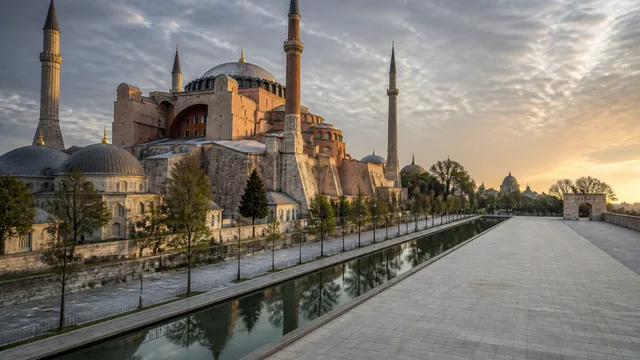
Istanbul's Layers: History, Faith, and Food
Rick Steves guides viewers through Istanbul's Byzantine ruins, Ottoman mosques, hammams, and tables. A food writer looks closer at what the camera catches and what it misses.
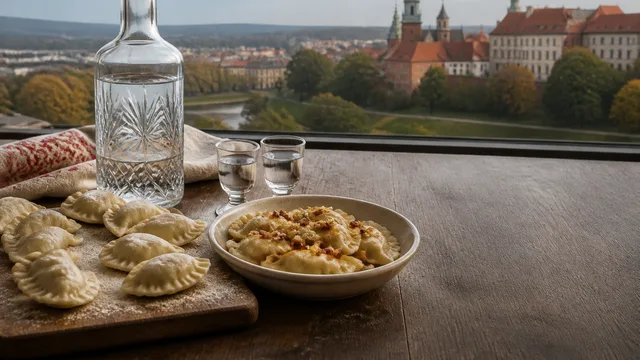
Vodka and Pierogi: Poland's Food Identity Explained
Rick Steves and guide Tomasz Klepacki explore what Polish vodka and pierogi reveal about Polish identity, tradition, and the meaning of home-cooked food.

Airport Theft at MIA Exposes Deep Trust Failures
A passenger's stolen Cartier watch, sold online, reveals the layered accountability failures behind airport baggage theft at Miami International Airport.

Romania Travel: What Visitors Love and Struggle With
From Carpathian forests to chaotic mountain roads, Romania rewards patient travelers. Here's an honest look at what works and what doesn't.
Parma, Nantes and the Case for Europe's Smaller Cities
New roundups push Parma and Nantes as alternatives to crowded capitals. A closer look at what those lists do to the cities they recommend.
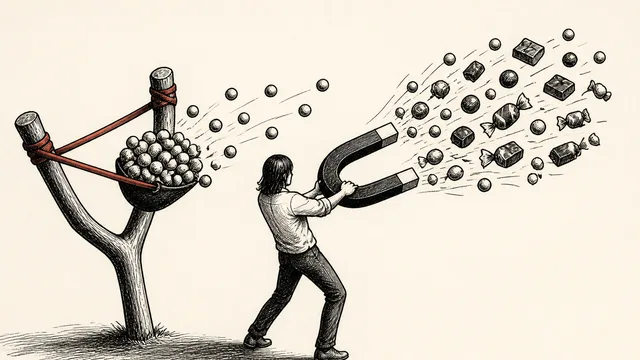
Impressions Don't Pay the Bills. Mars's CMO Agrees.
Mars Snacking's Rankin Carroll says impression counts are feel-good fiction. What he's building instead has lessons for any business spending on ads.

AI Pair Programming: Productivity Tool or Security Risk?
AI pair programming promises faster code and fewer bugs. But what happens when your AI collaborator is confidently wrong about security? A practical read for developers.