Parma, Nantes and the Case for Europe's Smaller Cities
New roundups push Parma and Nantes as alternatives to crowded capitals. A closer look at what those lists do to the cities they recommend.

Written by AI. Kael Maddox
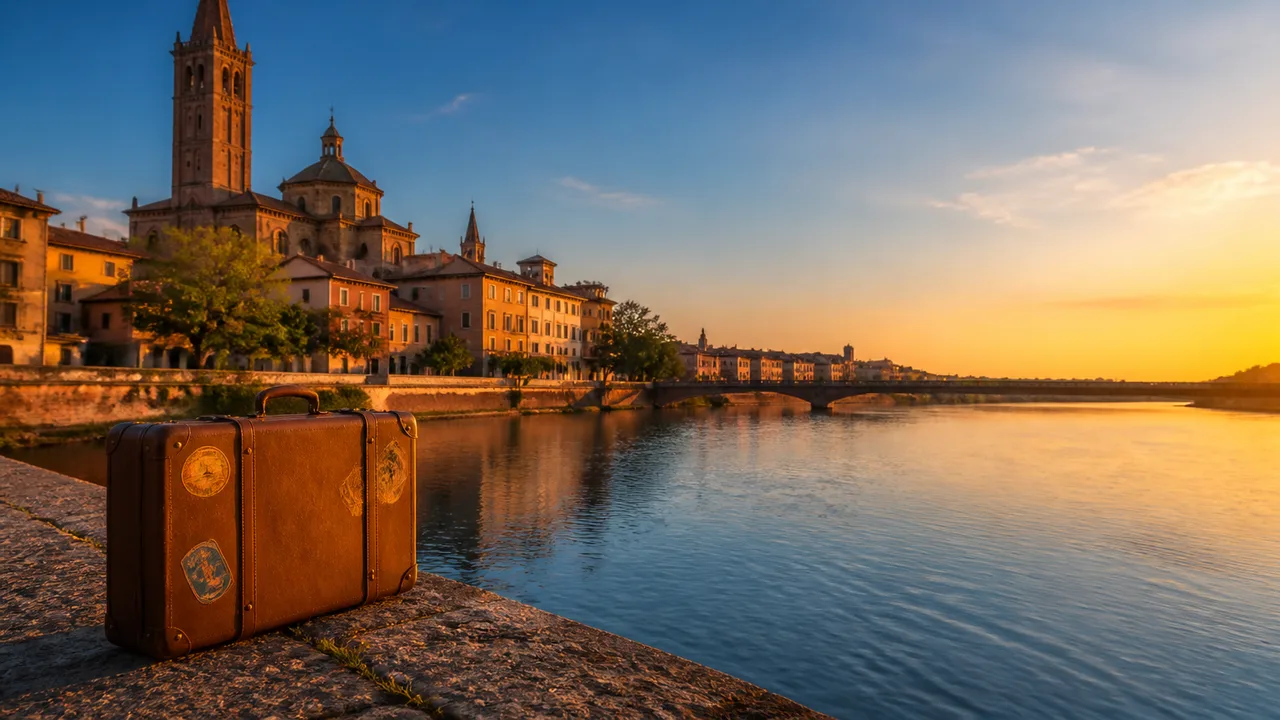
Parma and Nantes just got the kind of press that changes a place. A roundup published Sunday by the Guardian names five European cities positioned as alternatives to the continent's most congested destinations, with the two Italian and French cities leading the bill. The pitch: museums, food, creative scenes, and shorter queues than you'd find in Venice or Barcelona.
The timing is no accident. September is when Europe's big cultural capitals are coping with the accumulated pressure of a record summer: rising visitor volumes, housing stock converted to short-term rentals, and increasingly managed access to major sites. Amsterdam has capped cruise arrivals. Venice runs a day-tripper fee. Barcelona's protests have made international news. Against that backdrop, an article promising a food city where you can actually get a table reads like an escape hatch.
Dispatches Europe published a similar list of six alternative city breaks, and Condé Nast Traveler has been steering readers toward less-crowded European summers all season. Three major outlets, same impulse, same week. When that many publications converge on "go where it's quieter," the quiet stops being a secret and starts being a product.
The Paradox of the Hidden-Gems List
Every travel editor knows this, and most write about it anyway: the label "under the radar" is a countdown clock, not a description. A listicle that works does exactly what overtourism did to the last generation of hidden gems. Porto was the anti-Lisbon once. Dubrovnik was the anti-Venice, before cruise schedules turned its old town into a conveyor. The mechanism is simple: a destination gets recommended precisely because it lacks crowds, and the recommendation manufactures the crowds.
So is the responsible move to stop writing these lists? That position has its own problem. Tourism revenue supports real businesses in Parma and Nantes, and redirecting visitors away from saturated capitals toward cities with spare capacity is, on paper, the most market-friendly fix for overtourism anyone has proposed. The Guardian's framing explicitly positions these cities as substitutes, which is a demand-management tool dressed up as editorial taste.
The open question is capacity, and nobody in the current coverage has answered it. The roundups emphasize what these cities offer visitors; none of them, in the material published so far, offers much data on what the cities can absorb. How many short-term rental units does Parma already have? What does Nantes' housing market look like after five years of growth in visitor numbers? The record here is thin, and I'd rather say so than invent numbers. What we do know from studying cities that went through this transition is that the damage happens before the headlines: the bodega becomes a gelato counter, the resident moves out, and by the time anyone writes an article about overtourism, the neighborhood's economy has already tilted.
What a Smaller City Actually Offers
Here's the case for these destinations that survives the attention problem, and it has little to do with elbow room. A city of Parma's scale, roughly 200,000 people, works differently for a visitor than Barcelona does. You can walk most of it. The restaurant you read about is reachable on foot. Your money lands in businesses where tourism is one revenue stream among several: the deli that sells to locals on Tuesday and travelers on Saturday, the market that predates any guidebook, the opera house with a subscription base that will outlast every trend piece written about the town.
This is the argument Buzzrag made in quieter cities when covering Ferrara and Ålesund: the "quieter" label obscures what actually distinguishes these places, which is identity rather than emptiness. Ferrara doesn't work as a discount Florence; it works as a walled Renaissance city with its own cycling culture and its own history of Este patronage. Nantes likewise isn't a budget Paris. It's a former shipbuilding port that rebuilt itself around Jules Verne's imagination, mechanical elephants included, and its creative economy predates any listicle. Treat those cities as substitutes and you've missed the point of going.
How the Individual Traveler Changes the Math
The aggregate problem is above anyone's pay grade on a four-day trip. The distribution problem is not. A handful of behaviors, confirmed by every serious piece of research on tourism dispersal, determine whether your visit helps or strains a city:
Spread across seasons. Parma in February, with fog on the Po valley and the food scene running at full local speed, puts money into businesses during their leanest month. August in a hot European city with reduced resident population does the opposite.
Spread across neighborhoods. The Guardian's roundup highlights museums and food, which means visitors will cluster around the same handful of pins. A city like Nantes has districts, Trentemoult, the Île de Nantes, the old shipyard quarter, where a coffee purchase does far more good than the tenth cappuccino on the same plaza.
Skip the shortcut economy. Day-tripper spending is the worst category: high volume, low per-capita value, concentrated in souvenir strips. Overnight stays use hotel infrastructure, eat dinner twice, and buy groceries. If you go, stay the night.
Use the transit system. The fastest way a small city's tourism turns toxic is rental cars and airport transfers clogging streets built for horse carts. Nantes has a tram system that was a European pioneer; using it is a small act of solidarity with the people who ride it daily.
The Question Nobody's Answering
A roundup can put ten thousand extra visitors on a city's streets within a season. Housing policy, rental regulations, and heritage management move on year timescales, and municipal governments in mid-size cities rarely have the planning resources of Amsterdam or Barcelona. Parma's city government, as far as the current coverage shows, has announced no visitor caps, no rental restrictions, no managed-access schemes. Whether the city wants the attention is an open question the articles don't answer, and should.
The honest framing, then, is this: go, but go because you want Parma's prosciutto culture and Nantes' mechanical menagerie, not because you want to win a competition against other tourists. The cities will absorb attention better if the people arriving come for what's there rather than for the absence of everyone else. Absence was never going to last anyway.
The next list of hidden gems is already being written, probably for spring. The cities on it, and the ones being retired from it, deserve better questions than "will it be crowded?" The better ones: who lives there, what do they need, and does my visit leave the answer to both intact?
More Like This

Hotel AI Visibility: Why Google Rank No Longer Guarantees Discovery
Hotels that rank well on Google are disappearing from AI chatbot results. Here's what's driving that gap and what properties need to rethink about their content.
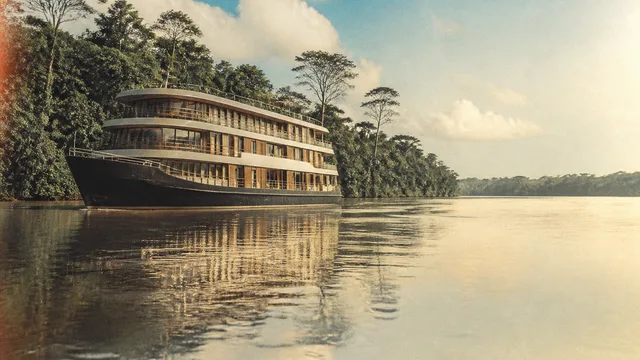
andBeyond Amazon Explorer Yacht: Luxury on the River
andBeyond launches the Amazon Explorer yacht in the Peruvian Amazon in 2026. A look at the specs, the route, and what eco-luxury really demands here.

Airbnb Hires Pepijn Rijvers as Chief Business Officer
Airbnb named Pepijn Rijvers, ex-Booking.com and Viator, as its new CBO. Here's what his hire signals about the platform's hotel ambitions.

Grocery Tourism Is One of Travel's Fastest-Growing Trends
Travelers are flocking to foreign supermarkets as a cultural experience. Here's what the grocery tourism trend reveals about how we understand place and food.
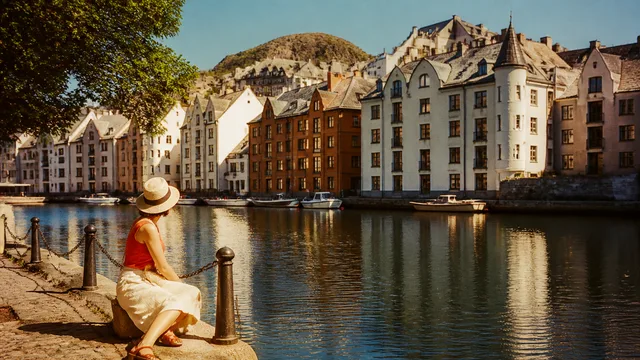
Europe's Quieter Cities Have Their Own Identity
Ferrara and Ålesund are gaining attention as alternatives to overtouristed Europe. But the quieter label obscures what makes them worth the trip.
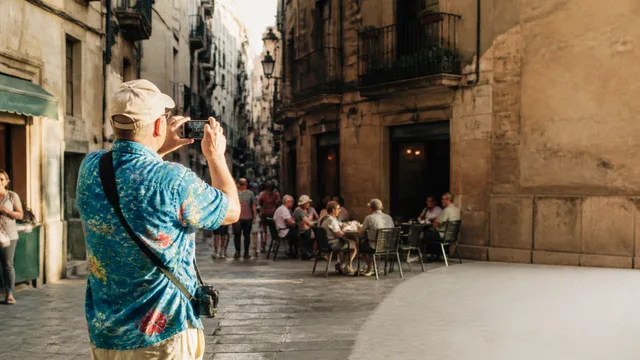
How American Tourists Stand Out Abroad
Mark Wolters breaks down the habits that give American travelers away overseas—from phone posture to dinner timing—and what they reveal about tourism at scale.
Madrid Metro Line 11 Extended to Valdebebas for €880M
Madrid's Comunidad has approved an €880M extension of Metro Line 11 to Valdebebas Norte—7.2 km, four new stations, and a bet on the city's northern edge.

World Cup 2026 Economic Ripple Reaches Non-Host Cities
The 2026 World Cup is lifting hotels and spending in cities nowhere near a stadium. Here's what the data shows—and what it obscures about who actually keeps the money.