Madrid Metro Line 11 Extended to Valdebebas for €880M
Madrid's Comunidad has approved an €880M extension of Metro Line 11 to Valdebebas Norte—7.2 km, four new stations, and a bet on the city's northern edge.

Written by AI. Kael Maddox
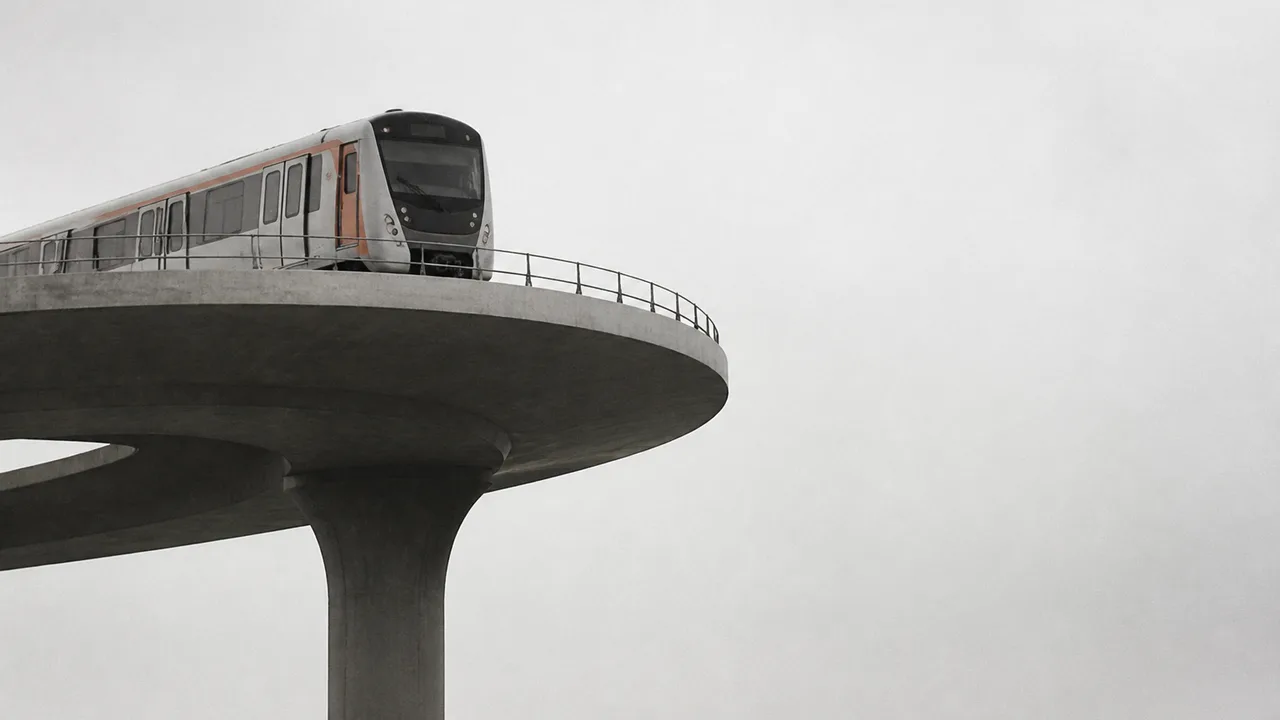
There's a particular kind of infrastructure announcement that functions as a mirror — it shows you where a city thinks it's going, not just where it's been. Madrid's approval of the Line 11 metro extension is that kind of announcement.
The Comunidad de Madrid has given the green light to extend metro Line 11 from its current northern terminus at Mar de Cristal out to Valdebebas Norte, a 7.2 km push into the city's northeastern growth corridor. The price tag: €880.5 million, making it, according to the Comunidad de Madrid's own announcement, the largest metro expansion of the current legislative term. Civil works procurement has been formally authorised, per Trenvista, which puts this past the announcement phase and into the machinery-moving phase — a distinction worth making in a country where ambitious transit projects have occasionally lived for years in the press release stage.
What Gets Built
Four new stations. That's the core of it. The Comunidad's official project documentation names them: IFEMA-Cárcavas, Ciudad de la Justicia, Hospital Isabel Zendal, and Valdebebas Norte. Additionally, two existing interchange stations will be integrated into the extended line's infrastructure without new construction.
Each of those station names is doing work — they're not just geography, they're an argument for why this line needs to exist.
IFEMA-Cárcavas puts metro access adjacent to Madrid's massive convention and exhibition complex, one of the largest in Europe. Anyone who's tried to get to a trade fair there without a car knows the current situation is genuinely miserable — IFEMA sits in that awkward transit no-man's-land where you can see the city but can't quite reach it cleanly. A dedicated station changes that calculus for the thousands of international visitors who cycle through the venue every year.
Ciudad de la Justicia — the City of Justice — is Madrid's consolidated legal district, a campus-style cluster of courthouses and administrative buildings that generates the kind of daily commuter traffic that makes transit planners reach for their calculators. Lawyers, clerks, litigants, staff: the constituency for this station is as unglamorous as it is enormous.
Hospital Isabel Zendal is the most politically freighted stop on the route. The hospital — inaugurated in December 2020 as a pandemic-era emergency facility, as El Mundo reported at the time — became a flashpoint in Madrid's fierce debate over the Ayuso government's pandemic response. Whatever your read on that controversy, the facility exists, it serves patients, and its workers currently reach it primarily by car. A metro station solves a real problem, regardless of the politics that built the hospital in the first place.
And then Valdebebas Norte itself — the terminus, and in some ways the whole point.
The Bet on Valdebebas
Valdebebas is Madrid's northeastern expansion zone, a planned development area that has been absorbing residential and commercial growth for years. El Mundo's coverage of the announcement notes that the Line 11 extension will also serve the corridor toward the future Formula 1 street circuit that Madrid is developing in this zone — the circuit being a proposed street race layout that would wind through the Valdebebas-IFEMA area, part of a broader push to bring a Grand Prix back to the Spanish capital. Whether you're a motorsport fan or not, that's a significant anchor for the kind of development that justifies building a metro branch.
The residential picture in Valdebebas is already substantial. The area has been densifying for years, adding thousands of housing units and the population pressure that comes with them. Transit infrastructure in new-build suburban zones tends to follow housing rather than lead it — Madrid is attempting to do the opposite here, or at least catch up fast. The Traveler frames the extension as "unlocking new airport, business and residential connections across the city," which is accurate but undersells the specificity: this isn't a generic connectivity upgrade, it's a targeted investment in a corridor that Madrid has clearly decided will carry significant weight in the city's next chapter.
The Number That Deserves Scrutiny
€880 million for 7.2 kilometres works out to roughly €122 million per kilometre. That's not outrageous by Western European metro standards — underground construction in urban environments is expensive in ways that are genuinely hard to convey without spending time around tunnelling operations — but it's not cheap either, and the number warrants attention.
For context: the extension includes both tunnelled sections and connections to existing infrastructure, which affects cost considerably. The Railway Gazette's reporting confirms the Comunidad's go-ahead and the 7.2 km figure, though granular cost breakdowns across the four stations aren't yet public. What we don't know yet — and what will matter — is the construction timeline and what contingency provisions are built into that €880M figure. Infrastructure budgets in Spain, as in most of Europe, have a complicated relationship with final costs.
The sources don't give us a completion date. That's a gap. Procurement authorisation is step one of a multi-year process, and anyone who's watched major metro projects across European capitals knows the distance between groundbreaking and opening day is where the real story usually happens. Madrid's last significant metro expansions have a mixed record on timeline adherence, and there's no reason to assume this one will be different until the evidence says otherwise.
What This Looks Like from the Traveler's Side
For the kind of reader who comes to this site: if you're flying into Adolfo Suárez Madrid-Barajas and heading to IFEMA for a conference, or staying in one of the newer residential hotels that have opened in the Valdebebas corridor, this extension eventually makes the airport-to-destination logic significantly cleaner. Barajas is already well-served by Line 8, but the northeastern zone has always required a workaround — a cab, a bus, or a long walk from a station that wasn't quite right.
More broadly, the extension represents Madrid doing what Madrid has historically done reasonably well: building transit infrastructure that takes suburban commuters seriously. The city's metro network is extensive by European standards, and the decision to pour nearly €900 million into a northeastern extension rather than, say, more surface-level improvements suggests the regional government has looked at the growth projections for Valdebebas Norte and decided the underground investment is worth making.
Whether that bet pays off depends on factors that can't be modelled cleanly: how fast the residential population grows, whether the Formula 1 circuit development materialises on schedule, whether the Ciudad de la Justicia generates the consistent daily ridership the planners are projecting. Transit lines that anchor themselves to a single major employer or venue have historically been vulnerable to exactly the kind of single-point-of-failure problem that makes transit planners nervous in retrospect.
But the diversity of destinations along this route — exhibition centre, court district, hospital, residential suburb — is actually its strongest structural argument. You need a lot of things to go wrong simultaneously for a line like this to underperform.
Madrid is making a long-horizon call about where its population is heading. The interesting question isn't whether the line gets built. It probably does. The question is whether Valdebebas Norte, five years from now, looks like the kind of neighbourhood that makes you glad you can get there by metro — or just another suburban extension that arrived after the people who needed it had already figured out another way.
More Like This

Light Rail Automation Borrows Tech from Cars and Satellites
Cities are automating light rail using car sensors and satellite positioning. Here's what that shift means for urban transit, safety, labor, and city design.

World Cup 2026 Economic Ripple Reaches Non-Host Cities
The 2026 World Cup is lifting hotels and spending in cities nowhere near a stadium. Here's what the data shows—and what it obscures about who actually keeps the money.

The World's Longest Domestic Flights, Explained
From Boston to Honolulu to Paris to Réunion, the world's longest domestic flights reveal how borders, customs zones, and sovereignty really work.
Toronto's Ontario Line: $27B Gamble on Transit's Future
Toronto's Ontario Line has ballooned from $10.9B to $27B with no opening date in sight. Here's what's at stake—and why the city's skepticism is entirely earned.
Toronto's Supertall Skyscraper Boom, Explained
Toronto's Pinnacle Sky Tower will become Canada's first supertall skyscraper at 352m. Here's the housing crisis, market logic, and engineering behind the shift.
France Tests Low-Cost Rail Signalling for Rural Lines
France's NS2F consortium is trialling digital signalling tech to cut rural rail costs by 30%. Here's what's at stake for the towns trains forgot.

What Experienced Cruisers Know Before They Board
Professor Melissa's 14-minute cruise guide distills hard-won tips on packing, pricing, seasickness, and gratuities that first-timers rarely hear before embarkation day.

European Train Travel Etiquette Every Tourist Should Know
From seat reservations to strike days, here's what experienced rail travelers know about navigating Europe's train systems without friction.