andBeyond Amazon Explorer Yacht: Luxury on the River
andBeyond launches the Amazon Explorer yacht in the Peruvian Amazon in 2026. A look at the specs, the route, and what eco-luxury really demands here.

Written by AI. Kael Maddox
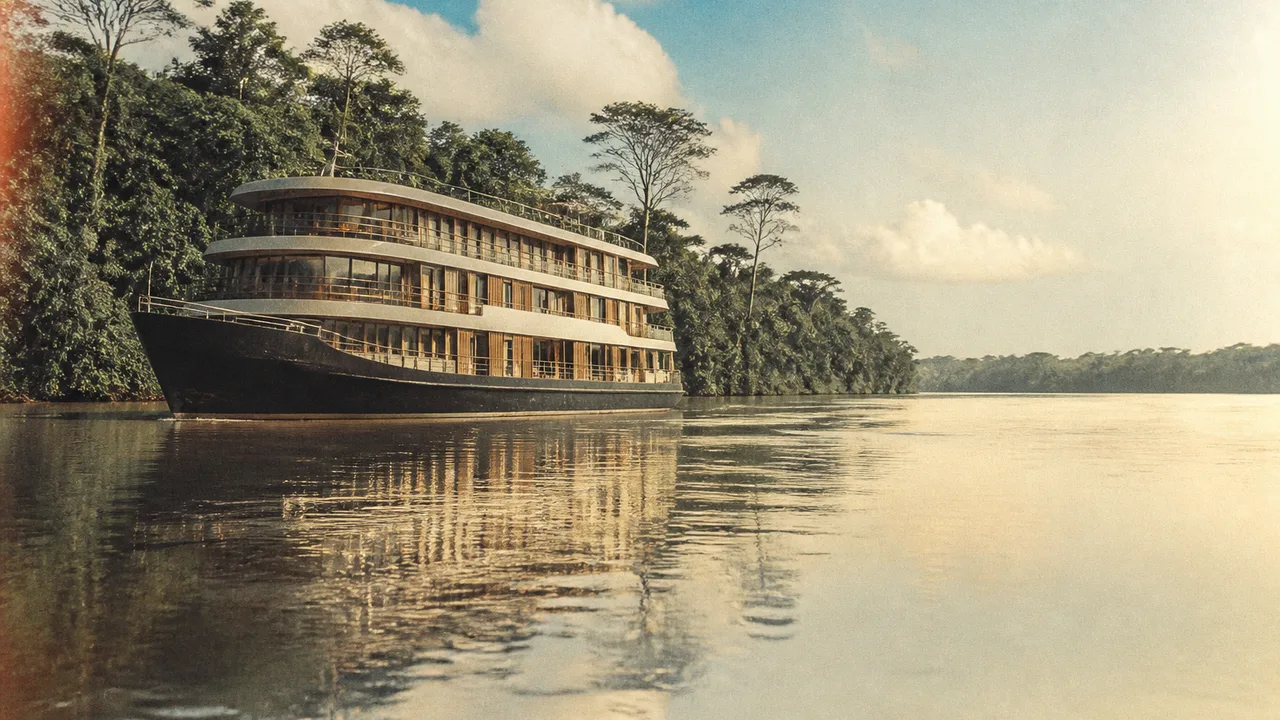
andBeyond is building a 74-meter yacht for the Peruvian Amazon, and I keep turning that number over in my head. Seventy-four meters. That is longer than two basketball courts laid end to end, floating down a river system where, in certain channels during low water, you can lean over the rail and watch the bottom.
The vessel, according to the official brochure at andbeyond.com, was built for andBeyond by SIMA Shipyard, measures 11 meters at the beam, and runs on two Caterpillar 600 HP engines at 12 knots. It will carry a maximum of 32 guests. Hospitalitynet.org reports the launch window as December 2026, with itineraries ranging from three to seven nights. Globetrender.com and plansouthamerica.com both cite September 2026 as a target; the brochure marks an operational closure from December 1 to 7. So the timeline has some slack in it, which is either normal for a complex river launch or a small flag worth tracking as the date approaches.
The route passes through the Pacaya Samiria National Reserve, one of the largest protected flooded forests on Earth, according to leopardmagazine.com. This matters for reasons that go beyond scenery. Pacaya Samiria is remote. The lodge infrastructure that exists elsewhere in Peru thins out here. That remoteness is part of what andBeyond is selling, but it also sets the operational difficulty level at a place most river operators in this region do not voluntarily choose.
What andBeyond is actually doing here
The company made its name running high-end safari camps across Africa, and the Amazon Explorer is a direct translation of that model onto a river: small group, expert naturalist guides, skiff excursions into the forest, and enough ecological framing that guests feel they are contributing to something rather than just consuming it. Plansouthamerica.com describes the vessel's design in terms that feel drawn from the same brief: floor-to-ceiling views, open decks, quiet corners for watching the forest. The architecture is built around the idea that the river itself is the exhibit.
I spend a lot of time on rivers in this part of the world, or thinking carefully about the ones I have covered, and the safari-to-Amazon translation is less automatic than it sounds. In the Serengeti, the animals come to you. You park the Land Cruiser and wait. In Loreto, the forest absorbs everything. You go into it on foot or by skiff, and it closes around you. Squirrel monkeys scatter when they hear an outboard. Giant river otters surface once and then they are gone. The encounter rate that makes an African lodge feel abundant does not transfer without a guide who knows where to look and, more to the point, where not to go.
That is the variable andBeyond cannot control from a design studio in Johannesburg: whether the naturalist team it builds in Peru can actually deliver what the brochure implies. The hardware is impressive. The 32-guest cap keeps the experience from becoming a cruise ship crowd. But the expertise that makes a Pacaya Samiria excursion feel like discovery rather than a zoo visit lives in specific humans with specific local knowledge, and those people are not listed in the spec sheet.
The pricing question
andBeyond has not published rates for the Amazon Explorer. The brochure contains no pricing, and none of the sources I checked for this piece had numbers. This is a sell-it-via-inquiry product, the kind where the rate is shared after a call with a travel consultant, which typically means the number is high enough that leading with it would scare off the aspirational reader before the desire is fully formed.
For comparison, Aqua Expeditions, the most established operator in this specific stretch of Peruvian Amazon, prices its three-night itineraries on the Aria Amazon starting around $3,000 per person. Seven-night programs run well above $6,000. andBeyond's Africa lodges regularly exceed $1,500 per person per night, so if they price the Amazon Explorer to match that positioning, a seven-night trip would land north of $10,000. I am speculating from comparable data, because andBeyond has chosen not to say. Potential travelers should know they are booking blind on price until they contact the company directly.
The conservation architecture
The eco-luxury pitch works on the Amazon only if the money actually flows somewhere useful. andBeyond frames the Amazon Explorer around conservation engagement, and Pacaya Samiria as a destination choice carries its own implicit argument: the reserve depends on low-impact economic activity to justify its protection to the communities living around it. Tourism dollars, when structured correctly, are part of that justification.
The question is how andBeyond structures them. In their African camps, the company has built community relationships over years, learning which arrangements create local buy-in and which ones create resentment. Translating that into Loreto means starting from scratch with a different set of communities, a different legal framework, and a river that behaves differently every season. The brochure mentions local cultural engagement but offers no specifics about community benefit arrangements, employment sourcing, or what percentage of the operation is locally staffed. Those details matter more than the floor-to-ceiling windows.
The Peruvian Amazon has a history of extractive industries, legal and otherwise, that have left communities deeply skeptical of outside operators announcing conservation partnerships. An andBeyond yacht citing ecological mission has to demonstrate that the conservation benefit is measurable: number of local guides hired, communities with revenue-sharing agreements, monitoring protocols inside Pacaya Samiria. Without that specificity, the sustainability framing is marketing. With it, the product could actually do what it claims.
I am not saying andBeyond is cynically greenwashing. The 32-guest limit and the choice of Pacaya Samiria over the more accessible and more photographed Manu suggest they are trying to build something substantive. But the sources available on this launch do not contain the documentation that would let me verify that, and the company has not yet published it publicly.
What the launch window tells you
December in the Peruvian Amazon is the beginning of the rainy season, when river levels start rising and previously inaccessible flooded forest channels open up. This is an intentional choice. High water creates access to areas that a 74-meter vessel cannot reach in dry season, when it would be bottlenecked to the main river channels. It also means higher humidity, more insects, and a forest that looks like a Turner painting but feels like a wet wool blanket. Guests arriving for the inaugural voyages should know that December in Loreto is not Amalfi in July. It is beautiful in a way that demands patience with your own discomfort.
The timing also means andBeyond has until roughly late 2026 to prove the operational concept works before the scrutiny intensifies. The first season will set the reviews, the word-of-mouth, and the Instagram record. After that, the story either sells itself or it doesn't.
A 74-meter yacht in Pacaya Samiria is audacious in the way that only works if the details underneath match the scale of the ambition. The Amazon has a habit of exposing the gap between those two things fairly quickly.
More Like This
Hotel AI Visibility: Why Google Rank No Longer Guarantees Discovery
Hotels that rank well on Google are disappearing from AI chatbot results. Here's what's driving that gap and what properties need to rethink about their content.

Flight Attendants Share Honest Tips for Air Travel
Flight attendants reveal what they actually do on planes, from skipping the coffee to packing smarter. Here's what their habits tell frequent flyers.
Choice Hotels Names Insider CEO to Reverse a Slump
Choice Hotels made Dominic Dragisich permanent CEO after three months as interim. Here's what that bet means for road trippers on a budget.
Luxury Icebreaker Cruise: A Journey to the North Pole
Explore the Arctic on a 14-day luxury cruise. Discover polar bears, stunning views, and life on board a state-of-the-art icebreaker.

Fermi Explorer Plans 2029 Launch on an 80,000-Year Trip
A nonprofit wants to launch the cheapest possible probe to Alpha Centauri in 2029. The catch: it won't arrive for roughly 80,000 years. Here's what that means.

The World's Longest Domestic Flights, Explained
From Boston to Honolulu to Paris to Réunion, the world's longest domestic flights reveal how borders, customs zones, and sovereignty really work.
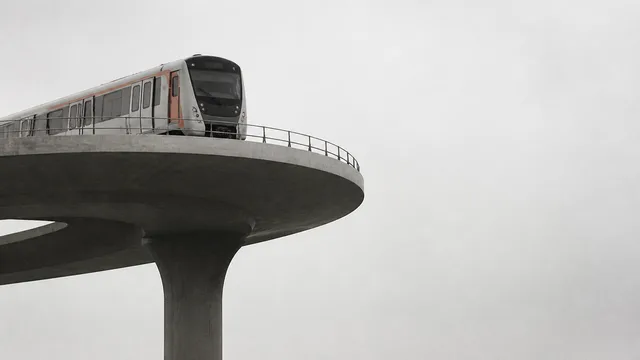
Madrid Metro Line 11 Extended to Valdebebas for €880M
Madrid's Comunidad has approved an €880M extension of Metro Line 11 to Valdebebas Norte—7.2 km, four new stations, and a bet on the city's northern edge.

World Cup 2026 Economic Ripple Reaches Non-Host Cities
The 2026 World Cup is lifting hotels and spending in cities nowhere near a stadium. Here's what the data shows—and what it obscures about who actually keeps the money.