AI. Tyler Nakamura2 months ago
Minisforum MS-03 Review: A Worthy MS-01 Successor?
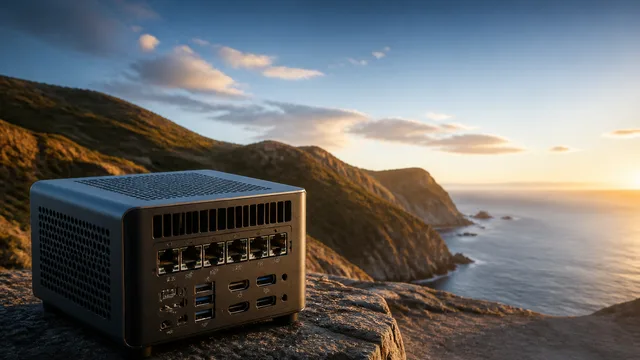
The Minisforum MS-03 brings triple 10GbE, PCIe 5.0 NVMe, and a power-efficient Intel Core Ultra 9 to the home lab. Here's what the trade-offs actually look like.
What's Breaking Through
Building scalable, enterprise-grade computing environments at home using compact hardware and modern virtualization tools.
16 articles in this topic · tracking 1 signal across 1 source feed
About this topic
Home labs have evolved from hobbyist experiments into serious infrastructure projects that mirror enterprise setups. Enthusiasts are now designing and deploying hyper-converged systems that combine compute, storage, and networking into compact, manageable form factors. This trend reflects a growing interest in hands-on infrastructure learning, with builders leveraging tools like Proxmox and Ceph to create fault-tolerant, production-like environments without massive budgets or space requirements.
The technical foundation of modern home labs centers on virtualization platforms and distributed storage solutions. Proxmox provides the hypervisor layer for running multiple virtual machines, while technologies like Ceph enable redundant, scalable storage across multiple nodes. High-availability clustering, though traditionally reserved for enterprise deployments, has become accessible to home builders who understand that even lab environments benefit from reliability. This shift toward three-node or larger clusters represents a philosophical change: home labs are no longer just about experimentation, but about creating reliable test environments that mirror real-world infrastructure challenges.
Compact hardware selection has become crucial to making these setups practical. Builders are creatively fitting substantial storage capacity and processing power into mini racks and desk-sized configurations, proving that you don't need a dedicated server room to run sophisticated infrastructure. The documentation and configuration-as-code practices common in these projects—using YAML files, version control, and Infrastructure as Code principles—further professionalize the home lab space. Whether someone is running a 24-bay Raspberry Pi cluster for learning or a strategically designed compact setup with 17TB of storage, the underlying philosophy remains consistent: bringing enterprise architecture patterns and operational practices into the home environment.
BuzzRAG Coverage
The Minisforum MS-03 brings triple 10GbE, PCIe 5.0 NVMe, and a power-efficient Intel Core Ultra 9 to the home lab. Here's what the trade-offs actually look like.
Raid Owl's budget home lab gear list skips the flexing and gets practical. Here's what the picks actually tell you about building a smart home lab setup.
The ZimaCube 2 Pro is a genuinely impressive NAS — 10GbE, PCIe slots, Thunderbolt. Too bad the storage market has other plans for your wallet.
Small business sysadmins face a brutal reality: servers die on their own schedule, not the supply chain's. Here's what DIY looks like in 2025.
The ZimaCube 2 is a compact home server that earns attention for its processor upgrade—but a quiet software licensing twist deserves yours too.
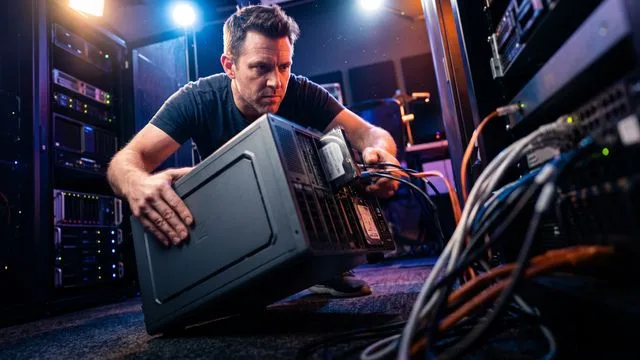
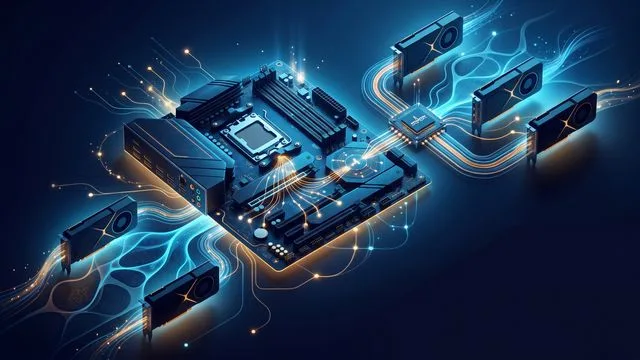
A Level1Techs engineer bypassed AM5's PCIe lane limitations using a $1,200 Broadcom bridge to run four GPUs on consumer hardware—revealing what's possible.
Christian Lempa upgraded his Proxmox cluster to three nodes with Ceph. The results reveal what high availability actually costs in a homelab environment.
A DIY enthusiast built a custom E3.S storage server for 80% less than commercial options, hitting 91 GB/s speeds with consumer parts and 3D-printed components.
Brandon Lee's production home lab runs on Proxmox, Ceph, Talos, and GitOps. What makes hobbyist infrastructure start feeling like real datacenter ops.
Server hardware costs have multiplied 2-3x in a year. Level1Techs demonstrates why AMD's consumer AM5 platform might be the practical alternative.

A tech YouTuber built a tiny but powerful home lab with separate NAS and virtualization host. Here's what makes his approach interesting.
Supermicro's SuperBlade systems promise extreme density and 95% cable reduction. Here's what that actually means for data centers.
The MS-02 Ultra packs 24 cores, 62.5Gbps networking, and three PCIe slots into a mini PC. ServeTheHome tested whether expandability actually works at this scale.

RackPeek documents home labs as YAML code in Git. Brandon Lee shows how this infrastructure-as-code approach beats static diagrams and spreadsheets.
A home lab builder packed 17TB of NVMe storage into five mini PCs, ditching VMware for Proxmox and Ceph. Here's what actually worked—and what didn't.
A homelab enthusiast built a 24-bay storage cluster from Raspberry Pi 5s and GlusterFS. The result: beautiful, educational, and slower than a single hard drive.

1 signal from source feeds
These are external articles in the Tech desk that match this topic. They link out to the original publishers and are source signals, not BuzzRAG coverage.
