AI. Nadia Marchetti1 month ago
America Wants Nuclear Cargo Ships by 2028: The Real Obstacles
A MARAD-Core Power agreement targets nuclear merchant ships laid down from 2028. The reactor is the easy part; lawyers, insurers and ports are not.

What's Breaking Through
Next-generation reactor designs and technologies aimed at improving nuclear energy safety, efficiency, and economics.
15 articles in this topic · tracking 1 signal across 1 source feed
About this topic
The nuclear energy sector is experiencing renewed interest in innovative reactor architectures designed to address longstanding concerns about safety, waste management, and economic viability. Rather than relying solely on conventional large-scale nuclear plants, researchers and engineers are exploring several promising alternatives that could reshape how the world generates nuclear power. These emerging technologies represent a deliberate shift toward addressing the practical and public perception challenges that have historically hindered nuclear energy adoption.
Subcritical reactors, thorium-based designs, and small modular reactors (SMRs) are among the leading candidates in this technological wave. Subcritical reactors operate below the chain reaction threshold, requiring an external neutron source, which inherently prevents runaway reactions and appeals to safety-conscious stakeholders. Thorium reactors leverage an abundant alternative fuel source that produces less long-lived radioactive waste compared to traditional uranium-based systems, though proponents must contend with the gap between theoretical advantages and engineering reality. Small modular reactors promise distributed power generation with reduced capital requirements and flexibility in deployment, from remote locations to industrial heat applications. Supporting technologies like TRISO fuel—which can withstand extreme temperatures without melting—enhance safety margins across multiple reactor types.
However, these innovations exist in tension between genuine technical promise and commercial hype. While laboratory successes and pilot projects demonstrate feasibility, scaling to economically competitive deployment remains challenging. Cost per megawatt, regulatory approval timelines, and competition from rapidly declining renewable energy prices all factor into whether these reactors will achieve meaningful market penetration. The cluster of articles examining subcritical systems, thorium viability, and modular reactor economics reflects the current state of nuclear innovation: optimistic about potential but realistic about obstacles, with engineers and analysts working to distinguish genuine breakthroughs from speculative claims.
BuzzRAG Coverage
A MARAD-Core Power agreement targets nuclear merchant ships laid down from 2028. The reactor is the easy part; lawyers, insurers and ports are not.
Open Star Technologies is reviving the levitating dipole fusion concept with a novel maintenance-first engineering approach. Here's what makes it different.

Princeton's new FLARE facility is the world's most powerful device for studying magnetic reconnection — the physics behind solar flares, aurora, and fusion energy.

India's PFBR at Kalpakkam achieved criticality on April 6, 2026—16 years late and over budget. Here's what the engineering actually does, and what comes next.
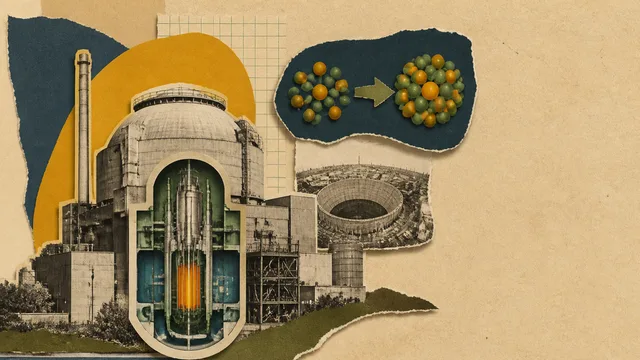
Valar Atomics' Ward 250 reactor achieved criticality in June 2026. Here's what the milestone means, what still needs to be proven, and who else is in the race.

The Pentagon's Project Pele aims to power remote military bases with a containerized nuclear reactor. Here's what the technology promises—and what it can't yet answer.
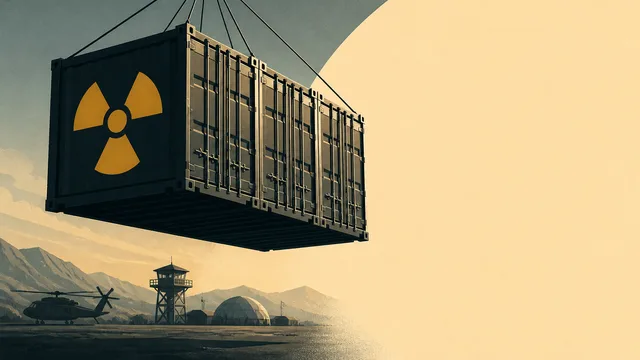
Antimatter propulsion promises interstellar travel, but its staggering energy production costs reveal a deeper lesson about civilizational-scale infrastructure investment.
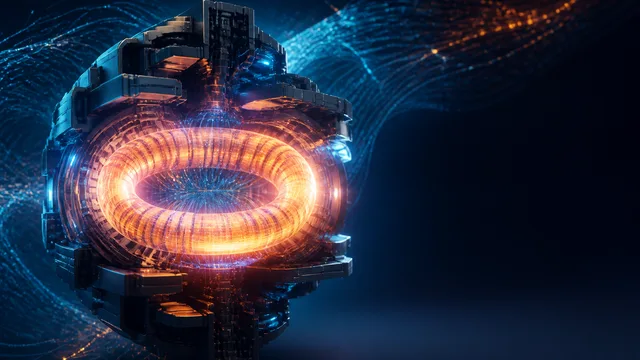
Fusion reactors have cleared their core scientific hurdle. What remains are hard engineering challenges—and a tight race against the clock and other clean energy sources.
From ion engines to nuclear rockets and laser beams, here's a clear-eyed look at the propulsion technologies that could take humanity beyond Earth orbit.
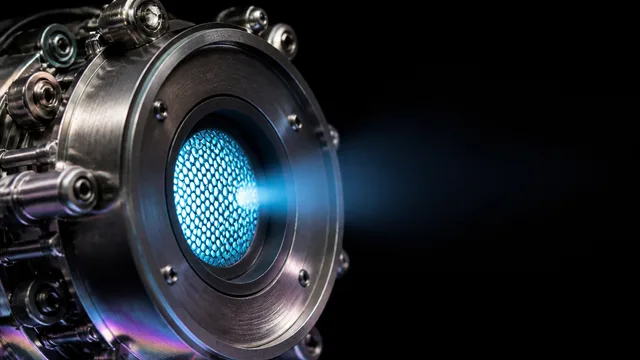
Don Lincoln explains how Maxwell's equations revealed the speed of light — and why what we ignore in physics today may determine our climate future.

A nuclear engineer's corrections to a viral science explainer reveal why misunderstanding fission and fusion has real costs for the energy transition.
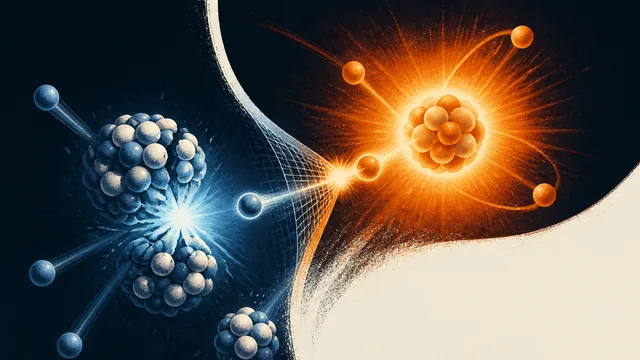
NASA approved SR-1 Freedom, a nuclear electric spacecraft targeting a 2028 launch. Here's what the mission actually tests—and what it doesn't solve.
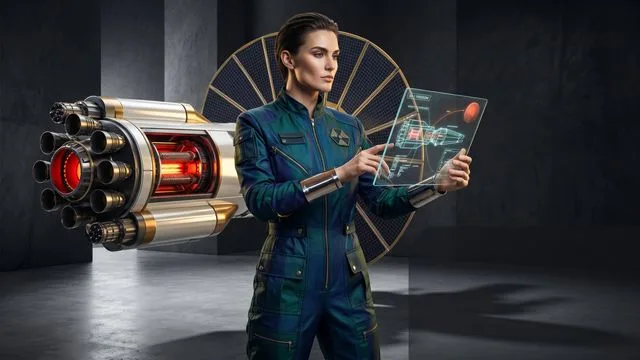
A new generation of subcritical reactors promises to make nuclear meltdowns physically impossible. But can they deliver on cost, scale, and timeline?

Small modular reactors and TRISO fuel could revitalize US nuclear energy. Examining safety, policy, and historical context.
Copenhagen Atomics promises shipping-container reactors cheaper than gas. A nuclear engineer explains what they're not telling you about the challenges ahead.
1 signal from source feeds
These are external articles in the Science desk that match this topic. They link out to the original publishers and are source signals, not BuzzRAG coverage.
