Slow Travel in North America Needs More Than a Shortlist
A 2027 travel roundup favors cultural visits, off-grid stays and mountain journeys. Taos shows how routes, access and local hosts turn inspiration into a trip.

Written by AI. Priya Chandrasekaran
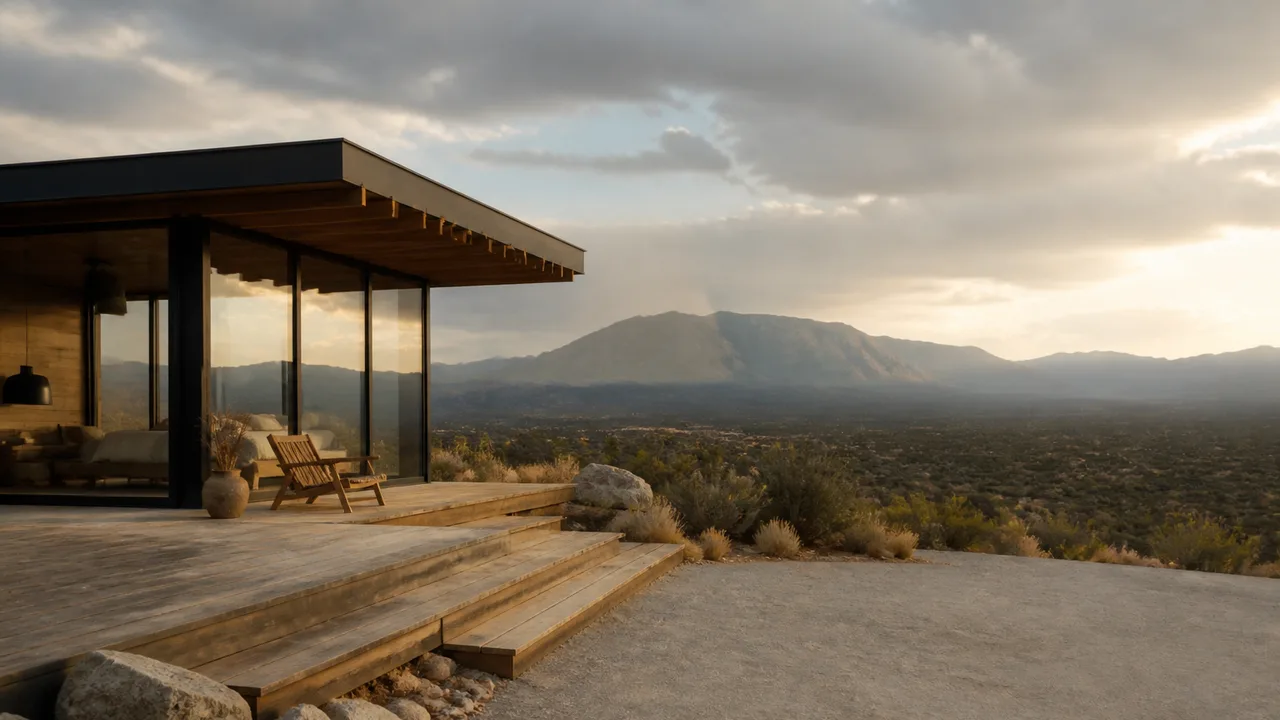
The 84-mile scenic drive along the Enchanted Circle Scenic Byway offers one way to travel through the Sangre de Cristo mountains from Taos, New Mexico. The same travel recommendation offers another: head for Taos Ski Valley and its newer chairlift. One route invites a day on the road; the other points toward a resort. Both could make for a good trip. They ask different things of a visitor’s time, transport and budget.
That choice sits inside a larger travel pitch. A 2027 roundup of North America, Mexico and the Caribbean emphasizes cultural travel, off-grid retreats and slower journeys through mountain landscapes. Its broad description gives neither a destination-by-destination comparison nor selection criteria, so the themes work better as inspiration than as a booking plan. Taos offers a useful test of what a traveler needs to learn after a place catches their eye.
The case for slowing down is easy to understand. An extra day can leave room for a meal that has a cook, an address and a story, rather than merely filling the gap between two attractions. A mountain journey can become an encounter with the communities along the route instead of a race to the overlook. But a slower pace on a travel page does not tell you who controls an experience, whether it is open when you arrive or what it takes to reach it.
What Does a Slower Trip Actually Change?
Travelers often use “slow” to describe longer stays, fewer stops and more attention to daily life. Those choices can lead to very different itineraries. A visitor could spend several days in one town, eat at locally run restaurants and take time to understand a landscape. Another could rent a car, drive long distances each day and call the trip slow because there are no early starts. The adjective alone cannot settle the question.
Taos makes the distinction concrete. An 84-mile scenic drive needs time behind the wheel, even if no one rushes. A ski trip depends on different conditions and services. Taos Ski Valley also offers a scenic chairlift ride, another mountain activity whose access a visitor needs to check. Neither option automatically brings a visitor into conversation with the people who grow food, run kitchens or keep businesses open year-round. For that, a traveler has to ask what they can do beyond passing through, and whether a business welcomes visitors on the terms they have in mind.
A practical itinerary would put travel time beside the appealing images. How will someone reach the starting point? Is the proposed route reasonable without a car? If a mountain activity is central to the trip, what are its operating dates and what happens when conditions change? A recommendation that answers those questions lets readers compare trips with different costs in time and effort. It also makes the promise of a slower journey easier to judge.
Culture Has Hosts, Hours and Boundaries
“Cultural travel” can refer to a public event, a restaurant, a museum or a community-led visit. Each has its own hosts and rules. A restaurant welcomes diners during service; that does not make its staff available to explain a region’s history between orders. A community may invite visitors to some activities while keeping others private. Respect starts with finding out which invitation has actually been made.
Food is a useful place to test the language. A meal can tell a traveler about regional ingredients, family work and changing tastes, but the cook should not have to stand in for an entire culture. Look for the name of the person or business preparing the food, what they themselves say about it and how to visit without disrupting their work. If a tour promises access to a kitchen, farm or community gathering, ask who runs it and how the people doing the work are paid. Those are practical booking questions, not requirements that every lunch become a seminar.
This approach also leaves room for ordinary pleasures. A traveler can enjoy dinner without extracting a personal history from the person serving it. They can buy food from a market stall because it looks good and still notice the skill and labor behind the counter. Slowing down may mean returning the next day, recognizing that a place has a rhythm beyond the visitor’s schedule.
Regional labels require care, too. “North America, Mexico and the Caribbean” gathers places with different languages, food traditions, transport networks and seasonal pressures under one travel heading. It is a workable way to organize a roundup. It cannot tell a reader how to behave in any one town or which local voices to seek out there. That information has to come at the destination level.
Off-Grid for Whom?
An off-grid stay may offer a break from notifications and a chance to pay attention to the surrounding landscape. The phrase can also leave basic questions unanswered. Is mobile service unreliable, or is the accommodation deliberately disconnected? What supplies and services are nearby? How does a guest get there, and what should they do if plans change?
Those details affect more than convenience. A remote property may ask guests to plan carefully for transport, food and weather. A visitor who assumes they can solve every problem with a quick purchase or a short drive could find otherwise. Travelers should check the property’s own guidance before booking, especially where access and services are central to the appeal. “Off-grid” describes an experience from the guest’s point of view; it does not explain how the place operates or what support it needs.
The environmental question also deserves a more precise conversation than a label can provide. A long stay in one place might replace a succession of short trips, while a remote itinerary might involve substantial driving. Those are possibilities to examine, not conclusions to draw from a photograph of a cabin. Transport, accommodation and local conditions shape the footprint of any proposed trip. Anyone seeking a lower-impact journey needs the actual route and services before making that comparison.
From Recommendation to Itinerary
A useful travel recommendation tells readers what season its activities suit, how they connect, who offers them and which arrangements need to be made in advance. For a cultural experience, it should identify the host or direct readers to that host’s guidance. For a mountain route, it should make room for travel times and changing access. For an off-grid stay, it should explain what guests can expect on arrival.
These details also make room for a fairer comparison of value. A visitor weighing a resort stay against several days based in a town may care about different things: time outdoors, access to food businesses, a predictable room or fewer transfers. Neither choice needs to borrow the language of the other to be worthwhile. The traveler can decide what to pay for once the practical differences are visible.
The Enchanted Circle’s 84 miles give a driver a distance to plan around. They do not say where to stop for a meal, whose welcome to seek or how much of the day to leave unplanned. Those decisions are where a scenic drive becomes someone’s trip, and where the promise to travel slowly finally has to fit on a calendar.
More Like This

When the Kitchen Was Already an Army
A French military doctrine is being proposed for hotel kitchens. But Escoffier already militarized the kitchen in 1900. What changes when the orders stop?
Istanbul's Layers: History, Faith, and Food
Rick Steves guides viewers through Istanbul's Byzantine ruins, Ottoman mosques, hammams, and tables. A food writer looks closer at what the camera catches and what it misses.
Airplane Windows Are Rounded; Digital Views May Replace Them
Rounded airplane windows limit stress in a pressurized fuselage. Digital displays could offer new views, but raise questions about comfort and safety.
Travelmaxxing Makes Short Trips Fuller and More Fragile
Travelmaxxing packs stopovers and mixed transport into short breaks. We examine the payoff, transfer risks, local spending and the case for slower travel.
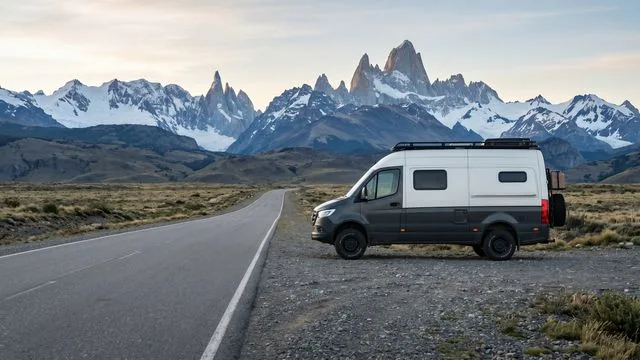
Driving Patagonia's Route 40: What Van Life Actually Looks Like
Kara and Nate drove 2,000 miles across Patagonia in 8 days. What they found reveals the gap between van life mythology and Patagonian reality.
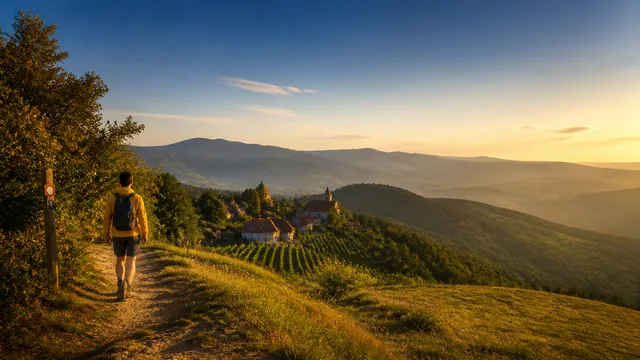
Samobor Hills Offer Croatia a Route Beyond the Coast
West of Zagreb, the Samobor Hills pair wooded hikes, vineyards and kremšnita with a tourism test: welcoming visitors without flattening local character.
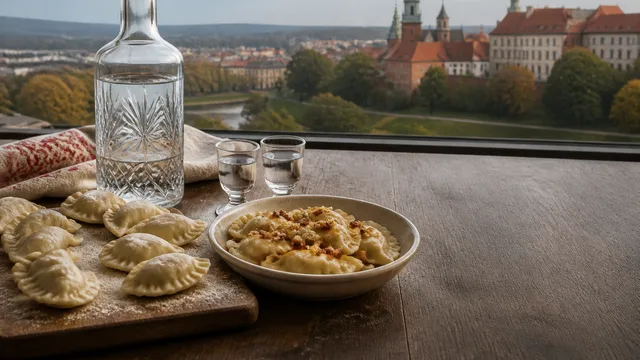
Vodka and Pierogi: Poland's Food Identity Explained
Rick Steves and guide Tomasz Klepacki explore what Polish vodka and pierogi reveal about Polish identity, tradition, and the meaning of home-cooked food.

La Grande-Motte's Pyramid Architecture Finds New Admirers
La Grande-Motte's futurist pyramids, once mocked, are now drawing architourists to the Languedoc coast. Here's what's driving the revival—and what it costs.