Roblox Developers Still Trust the Platform, With Conditions
RDC 2026 creators say confidence in Roblox holds, but earnings, safety policy, and algorithm control will decide whether that trust lasts. Analysis.

Written by AI. Jordan Mercer
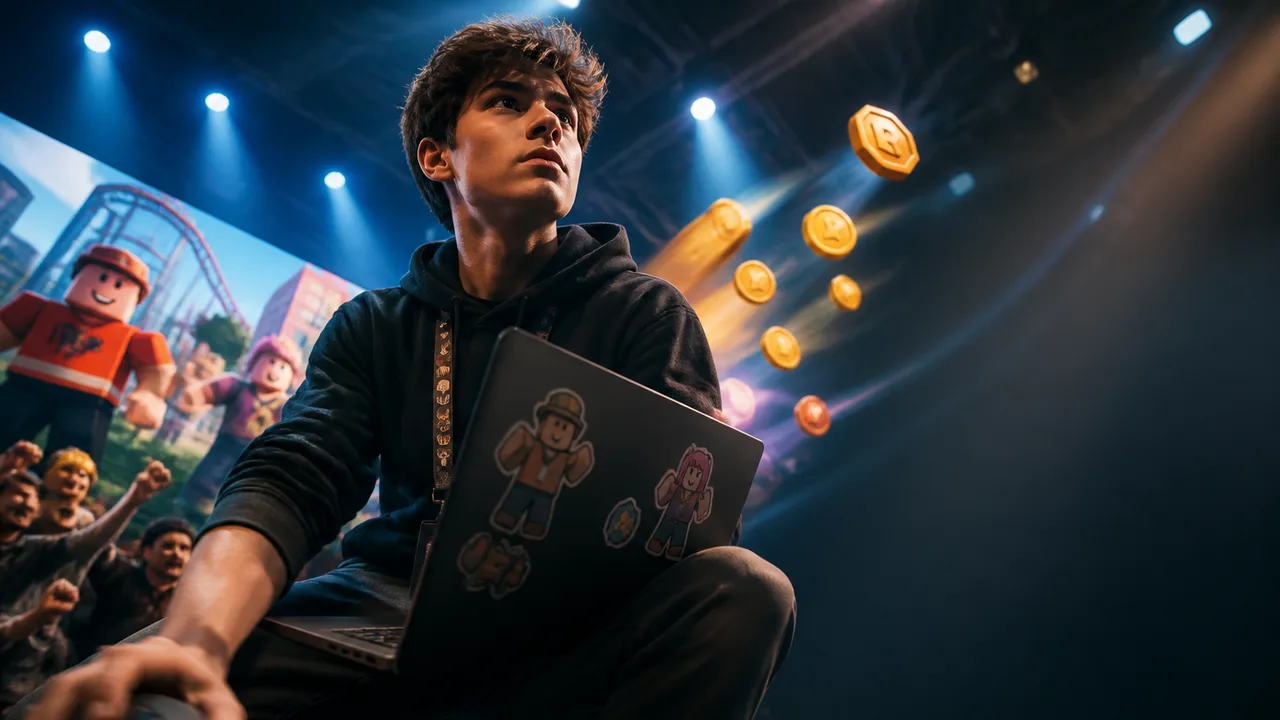
Roblox developers walked out of this year's Developers Conference sounding more optimistic than the rest of the gaming industry had any right to expect. According to PCGamesN, conversations with creators at RDC 2026 struck an unexpectedly upbeat tone despite wider anxiety about gaming's future, with developers pointing to the platform's long-running mix of distribution, social reach, and accessible creation tools as reasons their confidence holds.
Both things can be true in the same paragraph, because creator-platform relationships are built on exactly this tension.
Why the Optimism is Earned
Start with what developers actually get from Roblox, because the strongest version of their position is concrete. Building an audience on the open internet in 2026 is brutal: discovery on app stores is pay-to-play, and shipping a standalone title means solving marketing, infrastructure, payments, and matchmaking yourself. Roblox bundles all of it. A teenager with Roblox Studio can ship an experience to an audience measured in the tens of millions of daily users without signing a publishing deal or buying a single install ad.
That bundling is the pitch, and it has worked for over a decade. The developers PCGamesN spoke with weren't describing blind faith; they were describing lived experience. The tools work, the distribution works, the social graph does what no indie marketing budget can.
What the Platform Owes Back
Here's where the brief's phrase "the platform has to earn it" stops being a headline and becomes a ledger.
Creator platforms run on four levers the company controls and creators don't: moderation, monetization rules, discovery algorithms, and sheer economic leverage. Every one of those levers has moved under Roblox's feet, and under its creators' feet, in recent years.
Take the algorithm. When Roblox adjusted its recommendation system away from aggressively monetized games, the company lost roughly $9 billion in market value, and the episode exposed the fault line: what's good for players and what's good for short-term monetization are different optimization targets, and creators' incomes hang on which one the algorithm picks this quarter. I looked at that tension in Roblox's $9 billion algorithm shift, and the lesson applies directly here: developers can be optimistic about the platform while having zero contractual protection against the next algorithm change. Trust, in that environment, is a bet placed every single day.
Then there's the question of where creator games live. Roblox's own investor announcement describes new ways for creators to distribute experiences beyond the core platform, and reporting from Roblox's RDC announcement details how top creators may soon package their games as "standalone apps" across mobile, PC, and consoles. Industry outlet mobilegamer.biz adds context on the same plan to turn creator games into "standalone apps" for multi-platform distribution, and I dug into what that changes for discovery, monetization, and ownership in creators exporting standalone apps.
On paper, this is the single biggest bargaining-power shift in Roblox's history. If a top studio can take its game to Steam or the App Store directly, the platform suddenly has to compete for that studio's loyalty instead of assuming it. On paper.
The Open Questions
The record on the export program is thin, and I'd rather say that plainly than speculate. We don't yet know the revenue split when a game runs outside Roblox, whether Robux monetization carries over, how much of the social layer (friends, parties, presence) survives the export, or what eligibility threshold creators must clear. mobilegamer.biz's coverage frames this as plans for top creators, which means the negotiating leverage it creates accrues to the top of the ecosystem first. The mid-size studio with 50,000 monthly players isn't exporting anywhere; they're still living inside the algorithm.
Three pressure points will decide whether 2026's optimism ages well:
Creator earnings. Roblox's developer exchange rates and payout structure have improved over the years, but the underlying question never changes: what share of a dollar does the creator keep, and is that share stable or subject to revision?
Safety policy. Moderation on a platform with tens of millions of minors is the hardest problem in consumer software, and creators absorb the whiplash whenever enforcement rules shift. Policy that changes faster than creators can adapt is a tax on the people with the least leverage.
Algorithmic visibility. The $9 billion episode proved the algorithm moves markets. Creators need the same thing every serious platform's partners need: predictability, or at least notice.
Two Ways to Read the Same Mood
The neutral read of RDC 2026 is that both the optimists and the skeptics are describing the same object from different altitudes.
The optimists are describing the product: the tools work, the audience is unmatched, the pipeline from idea to millions of players exists nowhere else at this accessibility level. That's a fair description of reality.
The skeptics are describing the power structure: everything the optimists praise is provided at the discretion of a single public company whose incentives, as the market value loss showed, don't automatically align with creator income. That's also a fair description of reality.
Neither reading is wrong, and the divergence explains why developer sentiment can be warm while the structural questions stay unresolved. Enthusiasm and durability are different currencies. Roblox has plenty of the first.
What Would Make Trust Durable
Durability looks boring from the outside. It looks like published, stable payout formulas. It looks like advance notice on algorithm changes and moderation policy updates, the way platforms that respect their partners handle breaking changes. It looks like the export program shipping with terms creators can read before they commit, not after.
The encouraging sign from RDC 2026, per PCGamesN's reporting, is that Roblox seems to understand the assignment: the announcements around creation tools, multi-platform distribution, and creator growth all gesture toward giving developers more surface area and, potentially, more independence. The discouraging sign is history, which says that platform concessions arrive when creators have leverage and get revisited when they don't.
So the question I'm watching over the next twelve months isn't whether developers still love the platform. They do, and the conference made that clear. The question is whether the next time Roblox has to choose between creator interests and its own quarterly numbers, the creators have anything in writing. Optimism is the opening bid. Terms are what close the deal.
Jordan Mercer covers mobile gaming, esports, and the platforms billions actually play on.
Questions or tips? Find me wherever serious mobile players argue.
More Like This
Diablo IV: Lord of Hatred Expansion Review
Explore Diablo IV's Lord of Hatred expansion. New classes, zones, and a thrilling campaign await.
Rust's 2026 Roadmap Overhaul Divides Its Community
Facepunch quietly rewrote Rust's 2026 roadmap, cutting the Battle Pass and delaying features. Here's what the debate reveals about live-service gaming's next move.
Human Shaped Is a Free Indie Horror Game Worth Playing
Markiplier played Human Shaped, a free doppelganger horror game on itch.io. Here's why this low-budget indie deserves serious attention from players at any budget.

Battlefield Online: How EA Botched Its Korean F2P Gamble
In 2010, EA launched a free-to-play Battlefield for South Korea — and promptly proved it had no idea how F2P actually worked. Here's what went wrong.
Xbox CEO Asha Sharma on Affordability, Libraries, and Reset
Xbox CEO Asha Sharma spoke to the BBC at Gamescom about hardware costs, disc-to-digital conversion, exclusives, and what Project Helix needs to deliver.
Ubisoft Quietly Drops Its Claim That Microtransactions Are Fun
Ubisoft removed its claim that monetization makes games 'more fun' from its annual report. What changed, what didn't, and what it means for the industry.
VanossGaming Plays Backrooms Escape Together
VanossGaming and crew tackle Backrooms Escape Together's horror-supermarket mashup. Here's what the co-op chaos actually demands from its players.
Destiny 2 Ends: A Community Bungie Built and Switched Off
Bungie ends Destiny 2 content updates in June. Three creators reflect on careers, community, and what happens when a corporation owns your third place.