Reported Switch 2 Input Lag Raises MW4 Fairness Questions
Reports of slower Modern Warfare 4 controls on Switch 2 raise questions for competitive play. Input-lag testing could clarify the gap and inform matchmaking.

Written by AI. Jordan Mercer
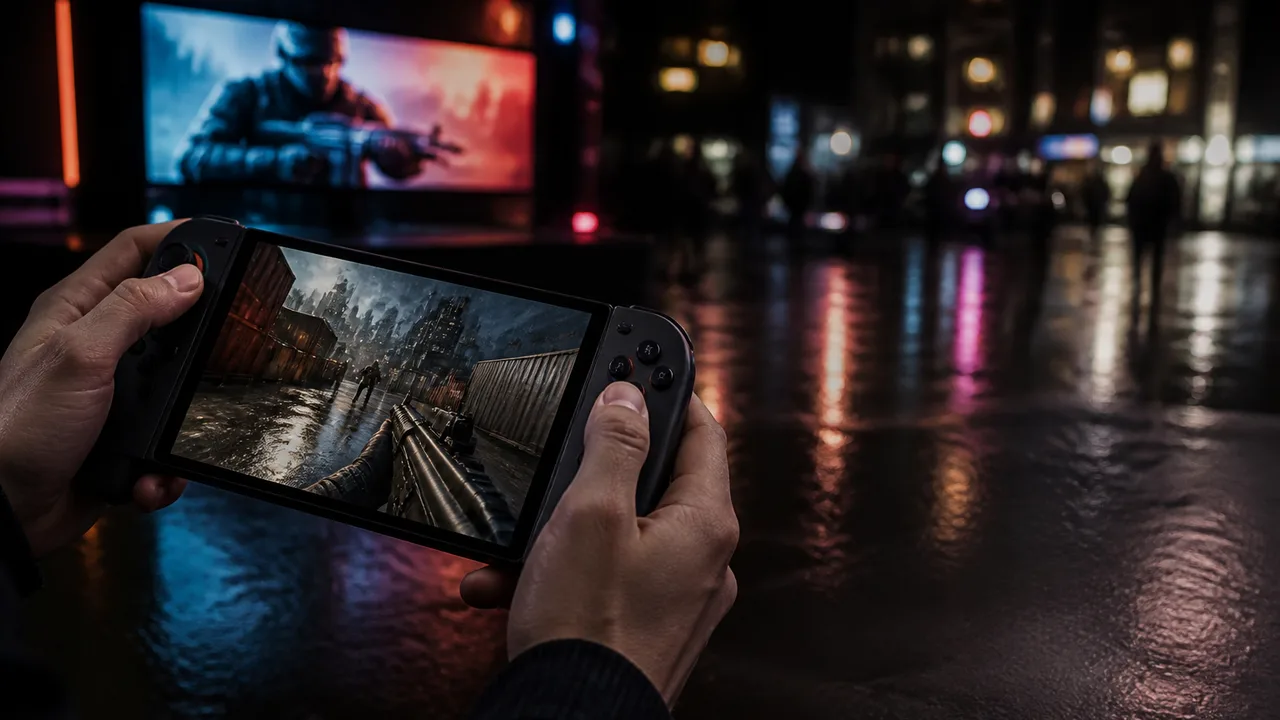
Switch 2 players are reporting a slower response to their inputs in Call of Duty: Modern Warfare 4 than players on other platforms experience. The complaints center on multiplayer, where a delayed turn or late shot can change a fight before either player has time to think about the hardware behind it.
A Digital Foundry comparison points to worse input lag on Switch 2 than PS5. The size of the gap and its cause have not been quantified here. Those details determine whether players are dealing with a setting they can change, a problem developers can patch, or a persistent difference between versions.
For a competitive shooter, that is a practical question. If two players react at the same moment but one sees their action register later, their results can diverge even when their decisions are equally good. Cross-platform play makes the comparison visible; ranked play, where match outcomes carry extra weight, would raise the stakes further if the affected platforms share a pool.
Where a Delayed Input Enters the Fight
Input lag is the time between an action and its visible result. A player presses a button or moves a stick; the controller, game, graphics pipeline and display all have work to do before the player sees the response. In an online match, the connection and game server add another set of timing questions. Players feel the whole chain, even though each part has a different potential fix.
That distinction becomes concrete in a gunfight. A player tracking a moving opponent needs the screen to reflect each aim adjustment soon enough to make the next one. Delay can make a target appear to slip past the reticle, prompting an overcorrection. A movement input that looks late can leave a player exposed after they believe they have reached cover. Those are consequences of delayed feedback, not proof that every lost duel came from input lag. A better-positioned opponent can still win the same fight.
The effect can also compound without any single input feeling dramatic. Competitive shooters ask players to make small corrections repeatedly: aim, fire, move, check the result, adjust again. Added time at each feedback point can make the controls feel heavy, particularly when a player has learned the timing on another platform. For someone playing exclusively on Switch 2, familiarity might make the delay less noticeable. Familiarity would not erase a measured platform gap in otherwise comparable matches.
A portable console adds a wrinkle to the comparison. Handheld play and docked play can involve different displays and controller paths. A television may process the image differently depending on its settings; a controller connection can introduce its own delay. Those possibilities make a platform-wide diagnosis harder, but they also give investigators a clear list of variables to control. “It felt slow on my TV” and “the game responds later on Switch 2 under matched conditions” call for different remedies.
Fair Matches Need More than the Same Rulebook
Cross-platform matchmaking usually asks players to accept some differences. They may use different controllers, displays and connections, and no matchmaking system can make every setup identical. The useful question is whether a platform-specific delay is large and consistent enough to affect competition across many matches.
Imagine two players with comparable reaction times who spot each other simultaneously. If one platform consistently presents the result of an input later, the slower feedback can narrow the window for a follow-up correction. The player may still outplay the opponent through positioning or prediction. That does not make the timing difference irrelevant to a ranked system trying to compare performance.
Matchmaking has several possible responses, each with a cost. A separate platform pool could reduce direct comparisons across versions, but fewer eligible opponents may mean longer waits or a wider spread of skill levels. An opt-in cross-platform setting would give players more control, provided it is clear what the setting changes. Adjusting matchmaking around measured performance would be more complicated: a system would need to distinguish a repeatable platform effect from an individual player's skill, display or connection.
None of those choices should be made on the assumption that every Switch 2 setup behaves alike. Nor would a larger health bar or an aim-assist change be a clean answer to a timing problem; either could reshape fights for reasons unrelated to responsiveness. First find where the delay enters the chain. Then decide whether a game update, settings guidance or matchmaking change addresses it.
There is a player-choice issue here, too. A person deciding whether to enter a competitive queue can weigh a known trade-off. A person who learns about a recurring disadvantage only after several losses cannot. Clear performance information would let players decide how much the platform gap, if confirmed, matters to their own play.
What a Useful Test Would Show
The first useful result would be an end-to-end comparison under matched conditions: the same action, measured from input to visible response, repeated enough times to show a typical delay and how much it varies. A single slow result might catch a hitch. A consistent gap would tell players far more about what to expect in ordinary fights.
That test should separate handheld from docked play and identify the display and controller setup. It should also compare equivalent actions and, where possible, comparable game conditions. A menu response cannot stand in for aiming during a busy multiplayer match. An offline test can help isolate local input-to-screen delay; online tests can then examine how the full match feels with network conditions in play.
Frame delivery deserves attention alongside average frame rate. A game can look smooth much of the time while uneven frame timing makes individual inputs feel unpredictable. If the delay changes during demanding moments, a single average figure may hide the moments players care about most. Reporting a range, rather than one flattering number, would help players understand whether the issue is constant or spikes during fights.
Developers could then publish findings in terms players can use: the conditions tested, the size of any confirmed gap, whether a setting changes it, and whether a fix is planned. That information would also let players evaluate any matchmaking decision against a measured problem. A patch note saying controls were “improved” would leave a competitive player with the same question they started with: improved by how much?
The Switch 2 complaints put an ordinary competitive demand on an unusually visible platform comparison. Players do not need identical machines to compete, and a delayed response does not predetermine every match. They do need to know whether the shot they lined up reached the screen on comparable terms to the one coming back.
More Like This
Mole Is a PC Horror Game Mobile Devs Should Study
Jacksepticeye's nearly 3-hour Mole playthrough reveals a psychological horror game built around grief, cassette tapes, and Soviet-era dread.
Stranger Than Heaven's Combat Faces a Crowded-Fight Test
Stranger Than Heaven's directional combat makes duels feel deliberate, but crowded fights raise questions about visibility, response time and learning its controls.

Diablo IV: Lord of Hatred Expansion Review
Explore Diablo IV's Lord of Hatred expansion. New classes, zones, and a thrilling campaign await.

Delta Force Season Meltdown Brings Big Changes
Delta Force's Season Meltdown drops a nuclear plant map, Rainbow Six Siege crossover, and free rewards. Here's what VanossGaming's run actually shows you.

The Witcher 3 Remastered Changes More Than Its Graphics
The Witcher 3 Remastered brightens White Orchard and revises combat. Its visual history and reported Steam Deck frame rates give returning players more to weigh.
Marvel Tōkon's PC Port Is Broken and Players Know It
Marvel Tōkon: Fighting Souls launched with serious PC performance issues. Players are hunting workarounds, the playerbase is shrinking, and Arc System Works owes answers.
Is AAA Gaming Headed for a Structural Collapse?
Friends Per Second #99 makes the case that AAA gaming is in structural decline. Here's what the argument looks like when you actually stress-test it.
Xbox Workers Push Back as 1,600 More Jobs Loom
Xbox workers are organizing across six studio locations as 1,600 more jobs hang in the balance. Here's what the unions are demanding—and what it means for gaming.