Stranger Than Heaven's Combat Faces a Crowded-Fight Test
Stranger Than Heaven's directional combat makes duels feel deliberate, but crowded fights raise questions about visibility, response time and learning its controls.

Written by AI. Derek "D-Block" Washington
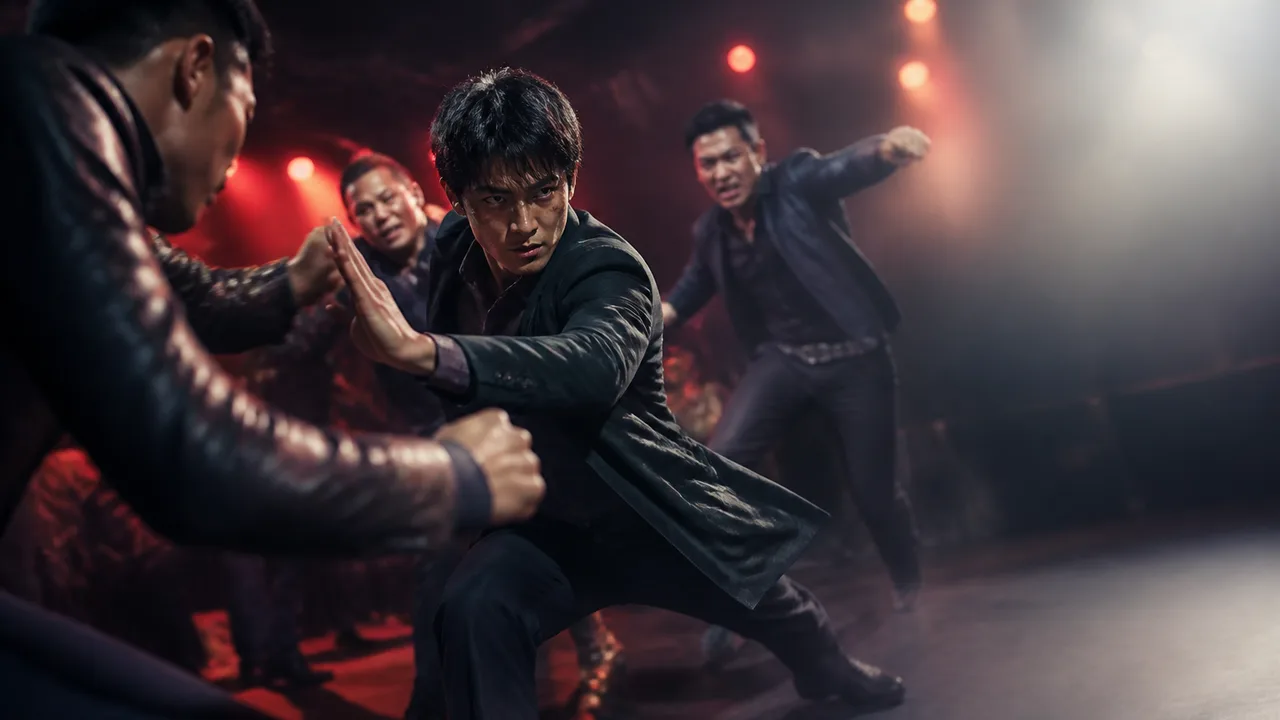
RGG Studio’s Stranger Than Heaven puts Makoto Daito’s left and right strikes on separate shoulder buttons, then asks players to defend on the correct side, too. That turns a familiar street-fight question, “When do I block?”, into two questions: “When?” and “Which way?” In recent hands-on demos, the extra choice made one-on-one fights sing for some players. Crowds were a tougher sell.
For anyone eyeing RGG’s next crime saga, the test goes beyond memorizing buttons. A system built around reading one opponent needs to give you enough information to read several. Otherwise, a sharp parry can feel like the right answer to the wrong exam.
Two Sides of the Controller
On an Xbox controller, the right bumper and trigger handle Daito’s right-side attacks, while the left pair handle his left. Defense demands a corresponding choice. The first few fights prompted button-mashing for that previewer; after some practice, they found that counterattacks came more intuitively, including against multiple enemies.
That positive experience with groups belongs in the picture. The controls may reward quick decisions once the inputs settle into muscle memory. But a player has to make several decisions in sequence: spot the incoming attack, identify its side, respond in time and find an opening to strike back. A second attacker can compete for attention during any of those steps. This is the design question raised by the demos, not a claim that every group encounter fails it.
RGG has changed the terms of a fight before. Yakuza 0 offered real-time brawling, while other entries in the wider Like a Dragon family have used turn-based combat. The series has also moved between its action roots and other formats while keeping crime stories, city exploration and side activities in the mix. Stranger Than Heaven sits in that lineage, but its side-specific decisions change what a street encounter asks of the player. Returning to real-time punches doesn’t automatically return the old rhythm.
The old brawler and a turn-based fight offer useful points of comparison. A brawler can ask for quick reactions as enemies pile in; a turn-based system gives players time to choose an action. Stranger Than Heaven keeps the urgency of action combat while making each defensive response more deliberate. That combination could be its hook. It also raises the cost of an attack you cannot clearly see or answer. The formats have different rules, so this compares the decisions they demand rather than declaring one better at crowds.
Daito’s story stretches across decades and Japanese cities, with street fights sharing space with other pursuits. If the new controls make a duel absorbing but make an ordinary group encounter a chore, players could feel that split throughout the wider adventure. How often either fight occurs, and how encounters develop later, remains a question for the finished game.
A Duel is a Cleaner Test
In a hands-on session with both duels and group fights, Jordan Middler of VGC found parries and dodges satisfying against one tough enemy. Against several opponents, those defensive choices became harder to use, and a few enemies could effectively stun-lock Daito.
In a separate three-hour preview, watching an opponent’s movements made one-on-one fights work for Tom Hopkins of PCGamesN; street fights against groups felt overwhelming and frustrating. Hopkins also found that jumping between eras and switching weapons made the controls harder to settle into. Unfamiliarity may compound the difficulty of tracking a crowd: a player learning what each button does has less attention to spare for an attacker at the edge of the action.
A duel gives a player one set of tells to watch and a clear moment to punish an opening. A group encounter adds attacks competing for that same attention and can interrupt the response to the first. Since defense depends on identifying the incoming side, enemy placement and attack visibility become part of the control scheme in practice. The key questions are concrete: Can you see the threat? Can you respond before it lands? Once you defend, can you recover before the next attacker connects? Those are separate hurdles. Getting faster at pressing left or right would address only part of them.
The weight of each hit and deliberate feel of the controls left Connor Makar enthusiastic, even as he found parry timing demanding. Dodging and grappling gave him ways to stay aggressive. His account suggests that treating every fight as a wait for the next parry could miss some of the combat’s appeal. Players who enjoy learning animations and choosing when to press forward may find more here than another rapid-fire street brawl.
Practice Helps, but What Does It Solve?
The demos have already changed. Director Mikinobu Abe told IGN that RGG Studio reworked combat after feedback on earlier demos. IGN’s Michael Higham had found an earlier, 45-minute session clunky; in a later three-hour session that began at the start of the game, directional parries clicked during a factory fight with waves of enemies. He described learning which attacks to parry, dodging around a boss and resisting greedy follow-ups. He still found crowds messy at times.
Time with the opening and repeated fights may teach players to spot an attack, pick a side and choose a weapon that leaves them mobile. Higham favored a knife and wooden club over heavier options for that reason. In Kure’s fight-club activity, the game felt like a boxing game to Higham, and thinking of it that way made the combat make more sense to him. Observe, commit, recover, then look for the next opening: the demands of a duel have a rhythm a player can learn.
Alessandro Fillari’s experience adds a complication. The updated gameplay and fuller introduction worked better for him than earlier sink-or-swim demo stages. He enjoyed the heavier action but still struggled with directional blocking in heated fights. Teaching the inputs can make the first decision easier. Encounter design must also give a player enough warning and space to carry that decision through when several enemies are moving.
The previewers played different stretches, spent different amounts of time learning and made different weapon choices, so their experiences cannot settle how the finished game will handle crowds. They do give players a sharper test than a verdict of “good combat” or “bad combat”: watch whether a crowded fight lets you see a strike, defend on the intended side and regain control before the next hit. Daito has two sides to protect. The street will test whether he has time to protect either one.
More Like This
GTA 6's $100 Ultimate Edition Is Outselling the $80 Version
GTA 6's $100 digital-only Ultimate Edition is topping PS Store charts in nine markets. Here's what the pre-order data actually tells us—and what it doesn't.
Zelda Ocarina of Time Remake: Confirmed and Coming
Nintendo confirmed an Ocarina of Time remake for Switch 2 in 2026—but the rumor cycle that got us here reveals something about how gaming communities process hope.