Plus Ultra Suspends Flights, Leaving Routes in Limbo
Spain's Plus Ultra halted flights on November 23 after failed rescue talks. Travelers face questions about bookings, refunds and the future of routes it served.

Written by AI. Priya Chandrasekaran
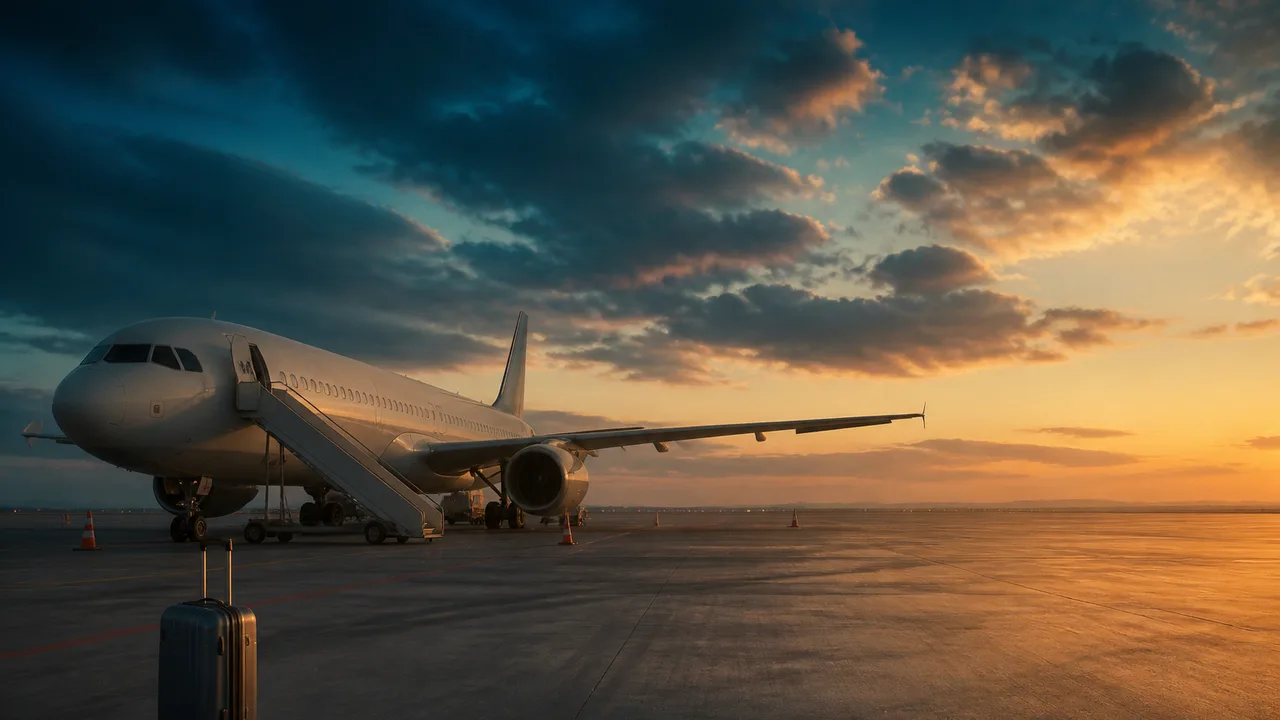
Plus Ultra suspended all flights on November 23, 2026, after talks to resolve its financial difficulties failed. The Spanish long-haul airline’s announcement of the suspension ends, for now, the simplest part of a journey: getting on the aircraft named on the ticket. The harder questions begin after that. Who will get travelers home, what happens to money already paid, and when might the airline fly again?
The scale is small by the standards of Europe’s largest carriers. Plus Ultra operates seven Airbus A330-200 and A330-300 aircraft. Yet fleet size is a poor measure of disruption for someone holding a booking on one of those aircraft. A long-haul cancellation can unsettle several purchases at once: an onward flight, a hotel reservation, a visit with family, perhaps leave from work arranged around a fixed return date.
Operations have stopped until further notice, including remaining services to Venezuela. The precise effect on each route and existing booking has not been specified, and no restart date has been established. For passengers, that leaves an urgent practical distinction between a flight that will not operate and a replacement journey that someone has actually arranged.
What a Seven-Aircraft Grounding Changes
An A330 is built to carry passengers across long distances. When an airline grounds one, it cannot simply send a smaller aircraft around the corner to cover the flight. Finding replacement capacity may require another carrier with a suitable aircraft, crew, operating permissions and room in its schedule. Those pieces have to meet at the right airports on the right day.
Seven aircraft also leave a small operator little room to reorganize its own schedule once the entire fleet has stopped. Larger competitors may serve some of the same city pairs or offer connections through another airport, but that does not mean they have seats at the needed fare, on the needed date, for everyone affected. A traveler trying to reach a wedding and one trying to return home after it may face very different costs even if their original tickets were on the same route.
The reported halt to Venezuela services gives this story a human geography that the fleet count cannot convey. Long-haul routes can carry holidays and business trips, but also family visits timed around school breaks, caregiving and important meals shared after months apart. A canceled ticket may interrupt a connection between households before it registers as lost capacity in an aviation market. That observation does not tell us how many Plus Ultra passengers were traveling for any one reason. It explains why an airline’s small share of a market can still have a large effect on individual plans.
Other airlines could absorb some displaced demand if seats and schedules align. Whether they will offer special arrangements for Plus Ultra customers is a separate question. Passengers should not assume that an open seat on another carrier automatically becomes theirs under the terms of the original booking.
Why the Financial Story is Still Open
Failed rescue talks explain the immediate timing of the suspension. They do not, on their own, settle what happens to Plus Ultra as a business. An airline can seek new funding, try to restructure its obligations or remain grounded while negotiations continue. Each path would have different consequences for staff, creditors and customers. The suspension itself guarantees none of them.
Fuel costs and a liquidity crisis have also been identified as pressures on the carrier. For a long-haul airline, cash must keep moving before a passenger ever boards: aircraft, staff, fuel and airport services all have to come together to operate a flight. Ticket sales may arrive well ahead of departure, while many costs fall closer to the day of travel. If that chain breaks, a route that still attracts customers can become difficult to operate. This is an explanation of the pressure such airlines face, not a balance-sheet diagnosis of Plus Ultra.
It tells passengers that flights have stopped. It does not promise that they will resume, and it does not establish that the airline has flown its last service. The possibility of a final flight was raised, but the decisive developments for customers will be a confirmed operating plan and clear instructions for outstanding bookings.
That skips over the negotiations still relevant to its future. It also risks overlooking what customers need today. A passenger does not have to predict the fate of the company to preserve a booking reference, ask for a written answer or check how the ticket was purchased.
What Passengers Can Check Now
The first useful document is the booking confirmation. It identifies the operating airline, travel date and booking reference. A passenger who bought through a travel agent or as part of a package should also identify the seller responsible for the booking. The name on a credit-card statement may be different again. Those details help direct a request to the right place instead of sending the same question into several unconnected inboxes.
Travelers with imminent departures should seek a direct notice from Plus Ultra or their booking agent and keep copies of cancellations, receipts and correspondence. Anyone considering a replacement ticket needs to weigh the urgency of travel against the risk of paying twice while a claim remains unresolved. Written records can help if a passenger later seeks reimbursement, challenges a card charge or makes an insurance claim. The result of any such claim depends on the ticket, payment method, policy and applicable rules; none is an automatic substitute for a confirmed new flight.
Air-passenger protections can vary with the journey and the circumstances of a cancellation. Before accepting a voucher, buying a replacement itinerary or assuming a refund will arrive, customers should check the rules that apply to their own ticket and ask the relevant seller or airline what it is offering. They should also separate the cost of the canceled flight from other losses, such as a hotel night or an independently booked connection. Different parties may be responsible for different pieces of the trip.
For someone already away from home, the calendar may be as pressing as the money. A canceled outbound holiday flight can sometimes mean postponing a trip. A canceled return can mean finding somewhere to stay and rearranging commitments while searching for another seat. Either passenger needs an answer tied to their booking, rather than a general assurance that the situation is being addressed.
Plus Ultra’s seven aircraft are now out of its flight schedule. What happens next depends on whether its financial talks produce a workable path forward and, more immediately, whether travelers receive instructions they can act on. For those holding tickets, the most consequential announcement will be the one that names their flight and explains how they get where they need to go.
More Like This

When the Kitchen Was Already an Army
A French military doctrine is being proposed for hotel kitchens. But Escoffier already militarized the kitchen in 1900. What changes when the orders stop?

Istanbul's Layers: History, Faith, and Food
Rick Steves guides viewers through Istanbul's Byzantine ruins, Ottoman mosques, hammams, and tables. A food writer looks closer at what the camera catches and what it misses.

Airplane Windows Are Rounded; Digital Views May Replace Them
Rounded airplane windows limit stress in a pressurized fuselage. Digital displays could offer new views, but raise questions about comfort and safety.

Small Group Italy Tours Are Reshaping Travel
Small group Italy tours promise authenticity over crowds. But do they deliver — and at what cost to the communities they claim to honor?

Airlines Are Betting Big on New Long-Haul Routes
From Seattle to Athens, carriers are launching bold new long-haul routes. Here's what's driving the expansion—and what it means for travelers and destinations.

Airline Data-Sharing Suits Reopen an Old Fare Debate
New airline antitrust suits put shared shopping data under scrutiny. A 1993 fare-signaling judgment helps explain what the cases must prove about ticket prices.

Vodka and Pierogi: Poland's Food Identity Explained
Rick Steves and guide Tomasz Klepacki explore what Polish vodka and pierogi reveal about Polish identity, tradition, and the meaning of home-cooked food.

La Grande-Motte's Pyramid Architecture Finds New Admirers
La Grande-Motte's futurist pyramids, once mocked, are now drawing architourists to the Languedoc coast. Here's what's driving the revival—and what it costs.