PlayStation's Digital Ownership Email Angers Users
Sony sent PS5 owners emails confirming digital games are licensed, not owned—right as a week-long #PSBlackout boycott kicked off. Here's what it means.

Written by AI. Sarah O'Brien
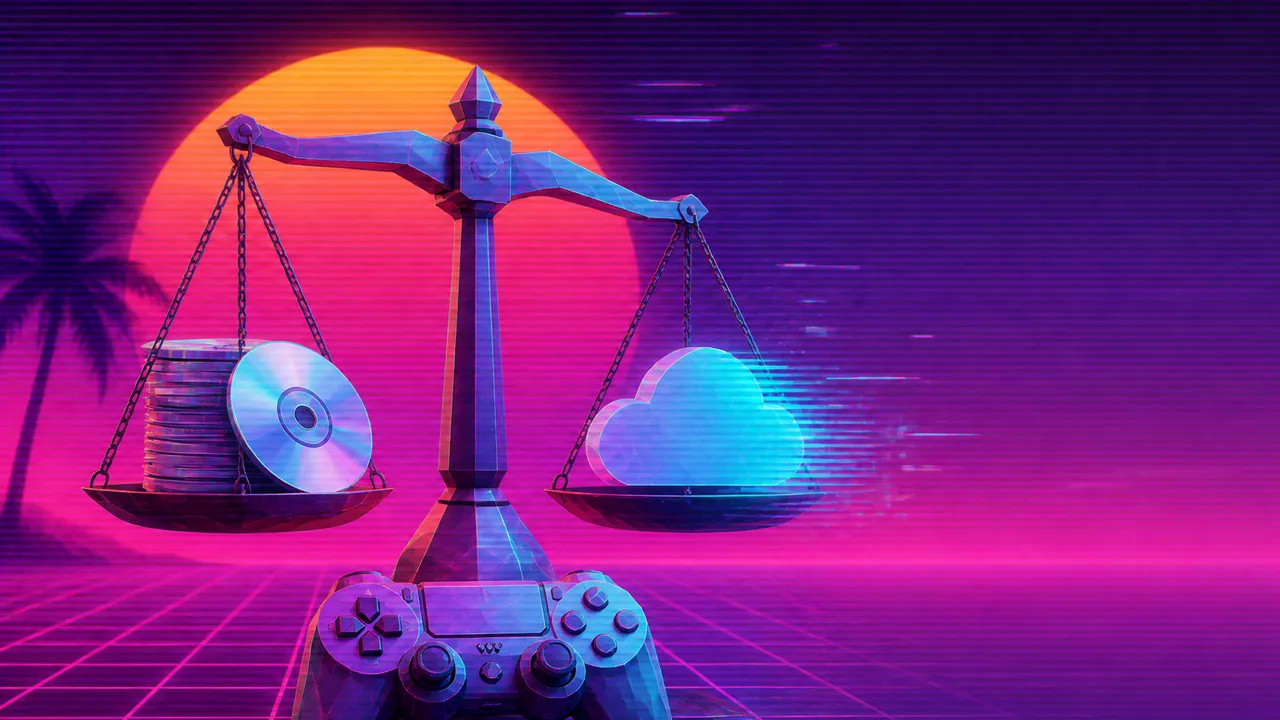
Sony didn't invent the clause. It's been sitting in every digital storefront's terms of service since the first game was sold through a download queue—buried in legalese, signed away with a scroll and a click. What Sony did this week was say it out loud, in an email, to everyone, at what Kotaku called "the worst possible time."
The timing is the story. Or rather, the timing is what turned a routine legal communication into a flashpoint.
What Sony Actually Sent
Sony Interactive Entertainment pushed out a terms-of-service reminder email to PlayStation Network users informing them that their digital games are, in the company's own phrasing, "licensed to you, not sold," according to Twistedvoxel. The email was unsolicited—users didn't request a ToS refresher—and it landed in inboxes without explanation of why it was being sent now.
As Eurogamer reported, the emails arrived just as PlayStation users were beginning a week-long boycott called #PSBlackout, running August 23 to August 30. The boycott, organized in part by physical media advocates including DoesItPlay?, was explicitly designed to pressure Sony to reverse course on its move away from disc-based games. "We want physical games to stay!" the organizers wrote, according to Kotaku.
Into that context, Sony sent an email reminding its customers that they do not own what they paid for.
Whether the timing was coordinated, accidental, or automated is not confirmed. Sony has not publicly explained the rationale. What's clear is that the optics were severe. As GamingHQ observed, "sending an enormous legal reminder about digital licenses immediately before customers protest the disappearance of physical ownership creates terrible optics regardless of whether the timing was intentional."
The Legal Reality Under the Outrage
Before the anger obscures the substance: the email isn't wrong. It's accurate. Every major digital games platform—PlayStation, Xbox, Steam, Nintendo eShop—operates on a licensing model rather than a true sale. When you pay $69.99 for a digital game, you are purchasing the right to access that game under conditions set by the platform, for as long as the platform decides to honor that access. This is not a secret. It is, however, a fact the industry has historically preferred not to advertise.
Push Square noted plainly that "this kind of legal language is standard for all digital storefronts"—which is true, and which is exactly why the reminder stings. The problem isn't that Sony is lying. The problem is that an industry-wide norm, long normalized through consumer habituation and interface design that mimics ownership (shopping carts, libraries, "purchased" labels), is now being stated in unambiguous legal terms during a moment of consumer unrest over the very thing being described.
Tech4Gamers described the emails as arriving "at a sensitive time"—an understatement calibrated for diplomatic effect. The PlayStation ecosystem has been shifting toward an all-digital posture for years: the PS5 Digital Edition launched without a disc drive, Sony discontinued production of certain disc-compatible hardware SKUs, and the trajectory of first-party software increasingly treats physical release as the secondary format. The #PSBlackout protest is a reaction to that trajectory reaching a point where physical media advocates feel the choice is being made for them.
Why Preservation Advocates Pay Attention to This
From a preservation standpoint, the licensing distinction isn't abstract. It's the operational reality that shapes whether games survive.
When you own a physical disc, it exists. It degrades, sure—disc rot is real, cartridge batteries die—but it exists outside the control of any corporate terms-of-service revision. When you hold a license, you hold a conditional permission. Conditions can be revised, servers can be shut down, and companies can go bankrupt, get acquired, or simply decide that maintaining access to a fifteen-year-old title isn't worth the server costs.
The industry's record here is not reassuring. We've watched digital storefronts close with purchased libraries rendered inaccessible. We've watched always-online DRM make single-player games unplayable after server shutdowns. The standard counterargument—that physical media also fails—is correct but incomplete. Physical media fails on a unit-by-unit basis, and preservation communities can work around it. Licensing failure is systemic. One corporate decision erases access for everyone simultaneously.
Sony's email makes this explicit in a way that most users have successfully avoided confronting: the library they've built across a decade of PlayStation spending is, in a meaningful legal sense, not theirs. They have invested in access, not ownership. The distinction feels theoretical until the server goes dark.
What the Boycott Can and Cannot Do
The #PSBlackout campaign is, at minimum, a coherent expression of consumer frustration. Whether a week-long spending pause moves the needle at Sony is a separate question, and the honest answer is that coordinated boycotts in the gaming space have a mixed record of producing corporate policy reversals. Platform holders have enormous structural advantages: switching costs are high, library lock-in is real, and a week without PlayStation spending doesn't threaten quarterly earnings in any measurable way.
What boycotts can do—and what #PSBlackout has already done by drawing this level of coverage—is shift the public framing. The conversation about digital ownership is louder now than it was a week ago. Legislators in multiple jurisdictions have been paying attention to digital consumer rights for several years; the EU in particular has moved toward requiring clearer disclosure when digital goods are sold on a license basis rather than outright. Sustained public pressure doesn't always change platform policy directly—it sometimes changes the regulatory environment around it.
The more immediate question is what Sony does next. A non-response—continuing to say nothing about why the email was sent, maintaining the current digital-only trajectory without acknowledgment of the concerns—carries its own cost. GamingHQ put it directly: for players already worried about an all-digital PlayStation ecosystem, the email functions not as neutral legal housekeeping but as confirmation of their worst read on where Sony is headed.
The Comfort of Legibility
There's something clarifying about this moment that is easy to miss in the noise. Sony's email, whatever its intent, forced a conversation the industry has spent years successfully deferring. The "licensed, not sold" model is not new—but most users have been buffered from its implications by interfaces designed to feel like ownership, by the practical reliability of access on active platforms, and by a general reluctance to read terms of service.
Those buffers are thinner now. A player who gets an unsolicited email telling them they don't own their games, during a week when advocates are protesting the loss of physical media, is a player being asked to think clearly about what they're actually buying. That clarity is uncomfortable. It's also accurate.
The question worth sitting with isn't whether Sony handled this well—it didn't—but what consumers decide to do with the information once they have it. The legal architecture of digital gaming has not changed this week. The number of people who understand what they agreed to might have.
More Like This

PlayStation Killing Discs Will Reshape Game Pricing
Sony ends disc production in 2028. Analysts warn of higher prices and less consumer choice — with indie devs among the most exposed to platform control.

LG Bans Smart TV Apps That Sell Your Internet Connection
LG is banning webOS apps that secretly turn your TV into a residential proxy node. Here's what that means, why it took this long, and whether it'll actually stick.
WoW GM Cheating Scandal Puts Blizzard Under Scrutiny
A Blizzard game master allegedly death-touched bosses for friends, tainting WoW's competitive record. What this scandal reveals about a 20-year compact between devs and players.

Minecraft 26.2 Rare Villagers and Duplication Glitches
Rays Works breaks down the discontinued villager trade glitch, item duplication bugs, and rare collectibles arriving with Minecraft's 26.2 update.

Twitch's Default AI Training Opt-Out Angers Streamers
Twitch quietly enabled AI training on streamer content by default. For small creators with no legal team and no leverage, the implications go deeper than a settings toggle.
Xbox Workers Push Back as 1,600 More Jobs Loom
Xbox workers are organizing across six studio locations as 1,600 more jobs hang in the balance. Here's what the unions are demanding—and what it means for gaming.
Fallout Season 3 Is Filming, and the Franchise Has Come Far
Walton Goggins confirms Fallout Season 3 is filming. What does a franchise this far from its 1997 origins mean for gaming history and preservation?
Sony Bets on AI as Core Game Development Strategy
Sony's leadership has formally positioned AI as foundational to its game development future. What that means in practice—and what it leaves unanswered—is worth examining carefully.