NCAA Wins Court Stay on Fifth-Year Eligibility Rule
The Tenth Circuit paused a ruling that gave Class of 2022 athletes a fifth year. Here's what the stay actually means—and why this fight is far from over.

Written by AI. Jai Trivedi
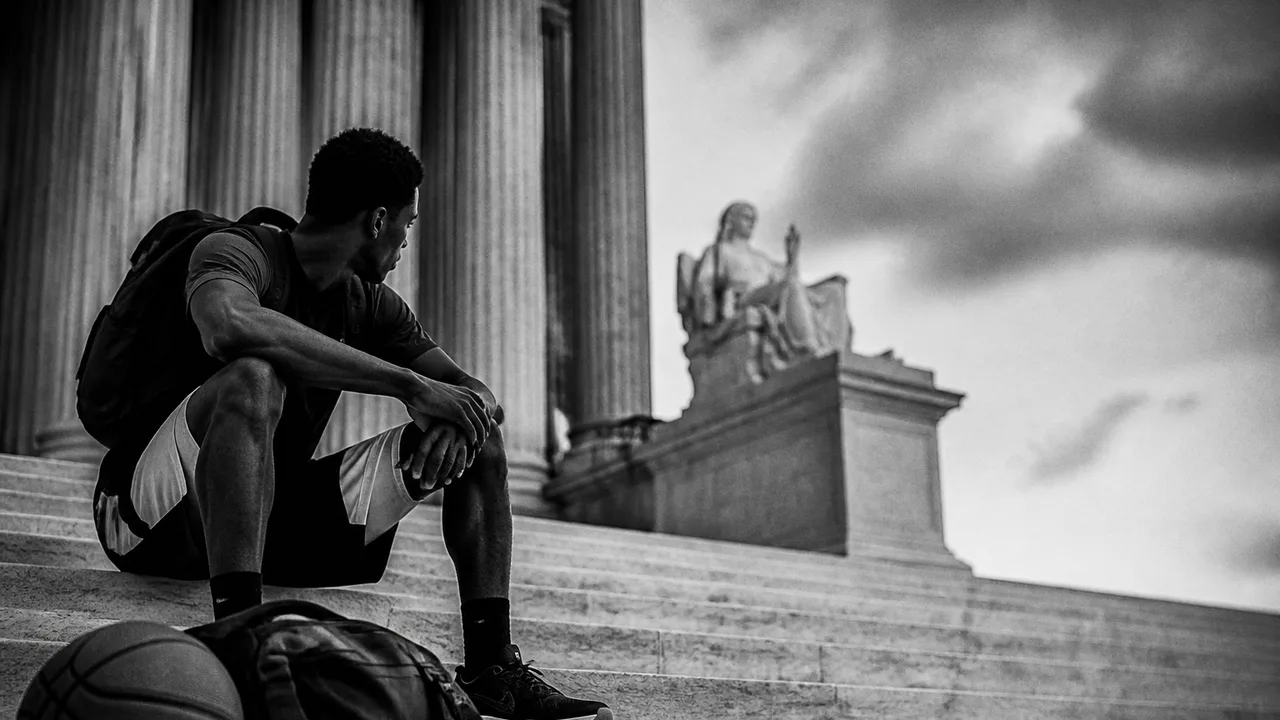
Friday felt like a win for the NCAA. By Saturday morning, anyone paying close attention knew better than to call it that.
The Tenth Circuit Court of Appeals granted the NCAA's request for a stay, according to Yahoo Sports, effectively freezing a lower-court order that had handed thousands of college athletes an extra year of eligibility. Those athletes — members of the high school graduating class of 2022 — woke up this weekend back where they started: on the wrong side of the NCAA's eligibility clock.
It's a provisional win. Emphasis on provisional.
What actually happened here
The chain of events matters. On July 31, U.S. District Court of Colorado Judge Caroline Sweeney issued a temporary class-wide injunction granting blanket fifth-year eligibility to Class of 2022 athletes, per USA Today. That ruling was essentially the athletes' moment — a federal judge saying the NCAA's eligibility framework was worth challenging and that the harm of denying eligibility while that challenge played out was real enough to warrant immediate relief.
The NCAA pushed back hard and fast. They asked the Tenth Circuit to pause Sweeney's order while the appeal proceeded. And in a 2-1 decision, two out of three judges said: fine, slow down.
That's what a stay is. It's not the appellate court saying the NCAA is right. It's two judges deciding the legal question is genuinely complicated enough that the lower court's order shouldn't run loose while they figure it out. Think of it less as a verdict and more as a referee stopping the clock — the game isn't over, the scoreboard doesn't change, they just need a moment to review the tape. The fact that the panel was split — one judge dissented — is itself a signal that this isn't a clean case for anyone.
As The Athletic via NYT put it: "college athletes from the high school Class of 2022 are not NCAA eligible in 2026 unless they are covered by a separate state-court ruling, leaving thousands suddenly out of eligibility once again as the legal roller coaster continues." State-court carve-outs. Federal stays. Split panels. The phrase "legal roller coaster" is doing a lot of work there, and it earns it.
Why the stakes are actually enormous
This isn't an abstract governance dispute. Real athletes built real plans around the eligibility window that Judge Sweeney opened. Roster spots were reconfigured. Transfer decisions were made. NIL deals — which now represent meaningful income for a non-trivial number of college athletes — were structured around an additional year of competitive eligibility. The ruling that initially granted that fifth year put real money and real opportunity on the table, and Friday's stay snatched the tablecloth.
Front Office Sports flagged the immediate roster disruption angle. Bleacher Report noted the NCAA's win "fell short of shutting down the last-minute shuffling threatening to upend college sports rosters with football" season right around the corner. Schools that had quietly welcomed back Class of 2022 athletes after Sweeney's July ruling now face the reverse problem — eligibility granted, then yanked, then pending appeal.
For programs operating on tight scholarship counts, the whiplash isn't just logistical. It's financial. Every eligibility slot has downstream implications for recruiting classes, scholarship allocations, and the complicated math schools use to balance roster size against budget constraints. And for the athletes themselves — especially those outside the revenue sports spotlight, who don't have the NIL leverage to absorb a year of uncertainty — the instability is genuinely punishing.
The NCAA's actual argument, fairly stated
It's worth being precise about what the NCAA is defending here, because dismissing them wholesale misses something real.
The NCAA's core position is that eligibility rules need to be consistent to function at all. If courts can issue class-wide injunctions that override eligibility frameworks mid-season — or, in this case, literally weeks before a season starts — then the entire competitive structure of college sports becomes ungovernable. You can't build rosters, recruit against a stable set of rules, or project competitive balance if eligibility determinations are subject to last-minute federal court intervention.
That's not a trivial concern. Competitive integrity depends on knowing who's eligible before the games start, not finding out in federal appellate proceedings. The NCAA isn't wrong that roster chaos benefits nobody — not programs, not coaches, and arguably not even athletes who want to compete in a stable environment.
The harder question is whether that argument justifies the underlying eligibility rule itself. That's where the NCAA's position gets shakier. Courts don't keep grandfather clause challenges piling up because the rules are obviously fine — they pile up because the rules keep landing on athletes in ways that feel, to federal judges, worth scrutinizing.
This is a governance problem wearing a legal costume
Here's the thing about the NCAA's track record in court lately: staying an injunction is not the same as surviving an injunction. The organization has gotten very good at procedural maneuvering — buying time, winning stays, slowing the process down — while the underlying governance questions remain unresolved.
KY3 was admirably blunt in its framing: the NCAA's win is "hardly the end of the lawsuits." Newsday echoed it. Hoops Rumors flagged the particular implications for basketball, where an extra year of eligibility for a productive player can swing recruiting classes and tournament seeding in very tangible ways.
The pattern here isn't hard to read. A rule gets challenged. A lower court finds it problematic enough to enjoin. The NCAA successfully delays enforcement. The underlying case grinds forward. Lather, rinse, repeat. What that pattern reveals isn't a sports organization confidently defending sound policy — it's an organization running a defensive legal strategy while the legitimacy of its governance model erodes one injunction at a time.
The fifth-year eligibility question isn't going to get resolved by a stay. It's going to get resolved when the Tenth Circuit rules on the actual merits, or when a settlement redraws the lines, or when the NCAA proactively updates its framework before another court does it for them.
None of those outcomes are imminent. Football season starts in days. Thousands of athletes from the Class of 2022 are navigating eligibility uncertainty in real time, and the legal machinery that might resolve it moves on its own timeline, indifferent to anyone's schedule.
The NCAA bought itself some time on Friday. What it does with that time — whether it treats this as a reason to dig in or a signal to actually fix something — is the only question that matters now.
More Like This
MLBPA Rejects MLB's Amateur Draft Overhaul
The MLBPA's first formal draft proposal rejects MLB's sweeping changes to draft timing, eligibility, and signing bonuses. Here's what's actually at stake.

Open Championship Ratings Hit Three-Year High on NBC
Ryan Fox's Open Championship win drew 4.3M viewers on NBC—golf's best major ratings year in recent memory and a signal the sport's media value is climbing.

Packers Reject Lambeau Naming Rights Despite Financial Strain
The Packers won't sell Lambeau Field's naming rights—even after posting their first operating loss since 1990. Here's what that choice actually costs them.

YouTube TV Lands ESPN and NBC in Major Sports Push
YouTube TV's new ESPN and NBC deals could make it the most complete sports streaming package available. Here's what the deals actually mean for the industry.
Federal Court Grants NCAA Class of 2022 a Fifth Year
A federal judge ordered the NCAA to give high school Class of 2022 athletes a fifth year of eligibility. Here's what the ruling means and why it matters.

Jayden Daniels vs. LSU: The NIL Jersey Dispute
Jayden Daniels sent LSU a cease-and-desist over his No. 5 jersey. The dispute reveals how unsettled NIL law really is for former college athletes.

MLBPA's 2026 CBA Push: Rosters, Pay, and Data Power
The MLBPA's latest CBA proposal isn't just about roster sizes — it's about who controls player data, movement, and earning power in MLB's next era.

Telemundo's World Cup Ratings Win Beyond Spanish Speakers
Non-Spanish speakers are tuning into Telemundo's World Cup coverage in surprising numbers. Here's what the ratings reveal about how Americans want to watch soccer.